
Applications
The same glass, seven different requirements
Switchable glass and film are specified for one of three reasons: privacy on demand, control of daylight and solar gain, or a surface that has to do both without a blind in front of it. From a clinic to a boardroom to a facade the technology does not change. Three answers do: how much concealment the room needs, which state it should hold with no power, and whether the glass is already in the building.
Offices & boardrooms
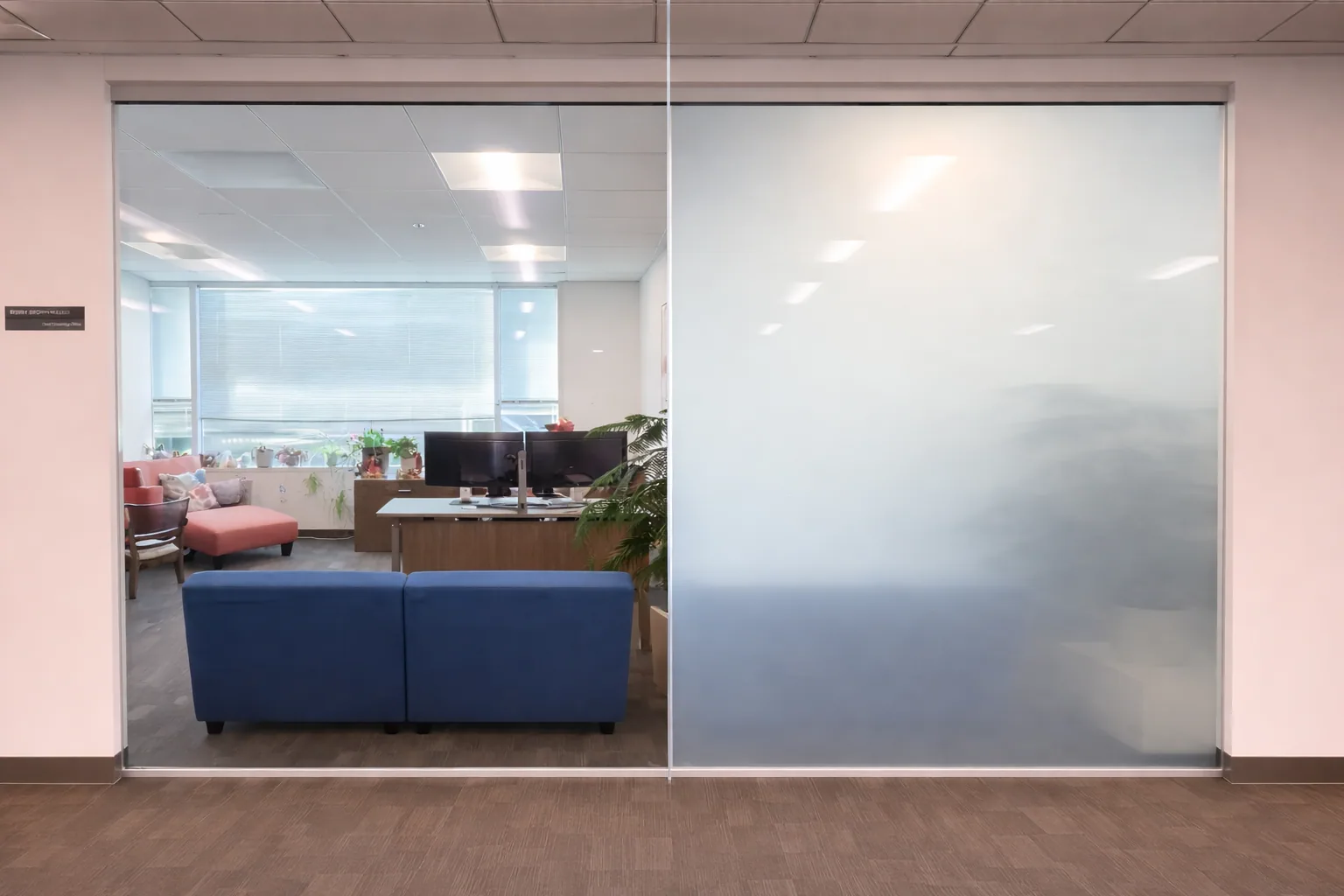
Glass partitions that close a room without closing it off. Meeting rooms, private offices and boardrooms switch private in under a second, and the panel doubles as a rear-projection screen. Reverse mode is usual here: the office is transparent most of the working day, so that is the state it should hold unpowered.
View the sector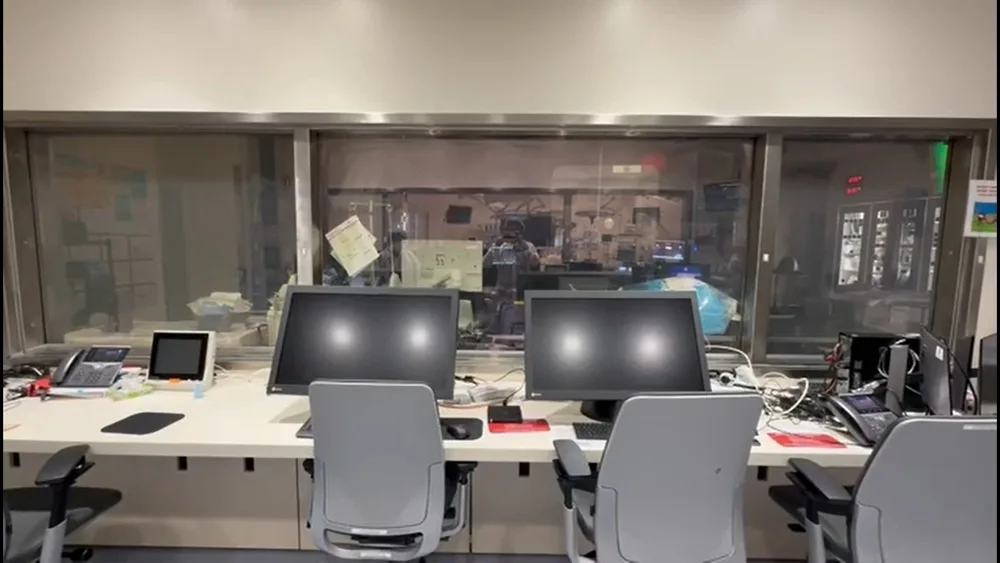
Healthcare & clinics
Observation walls, consulting rooms and surgical suites, where staff supervise from outside and a patient still has to be private. Nothing to launder and nothing to gather dust, and film goes onto the existing partitions without closing an area for construction.
View the sector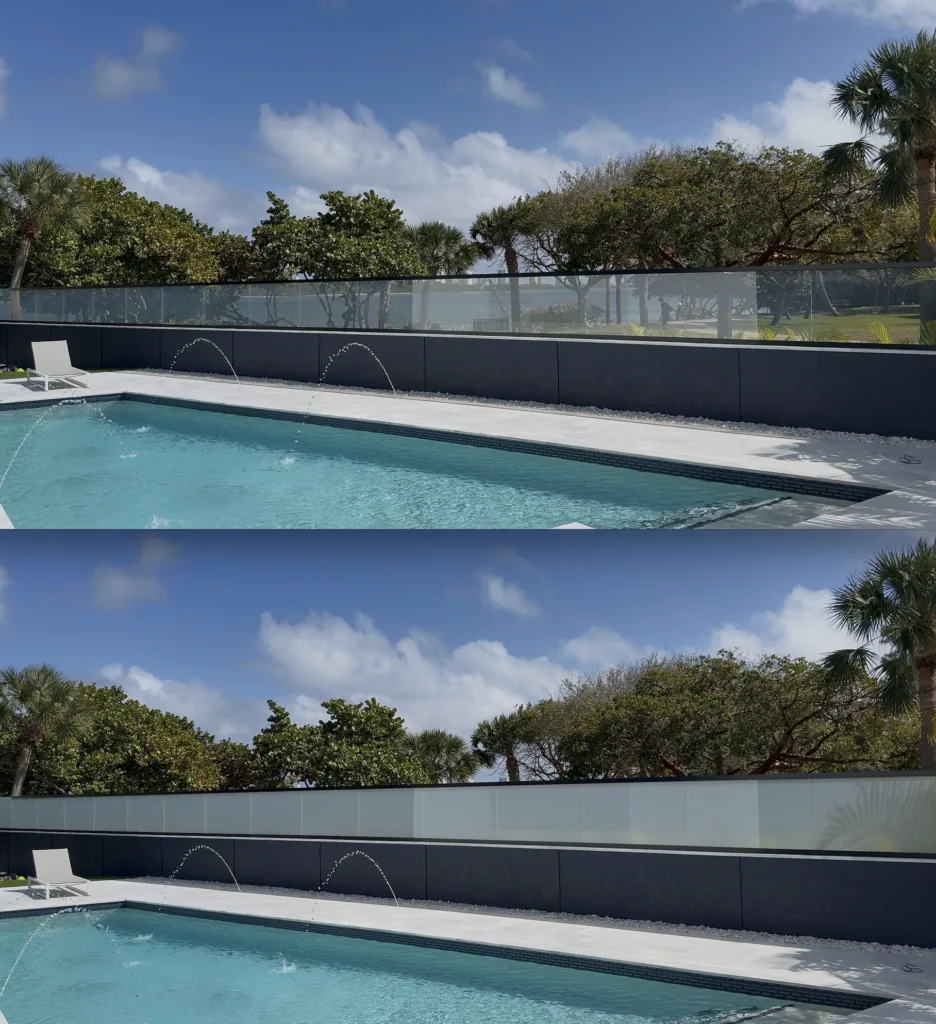
Residential
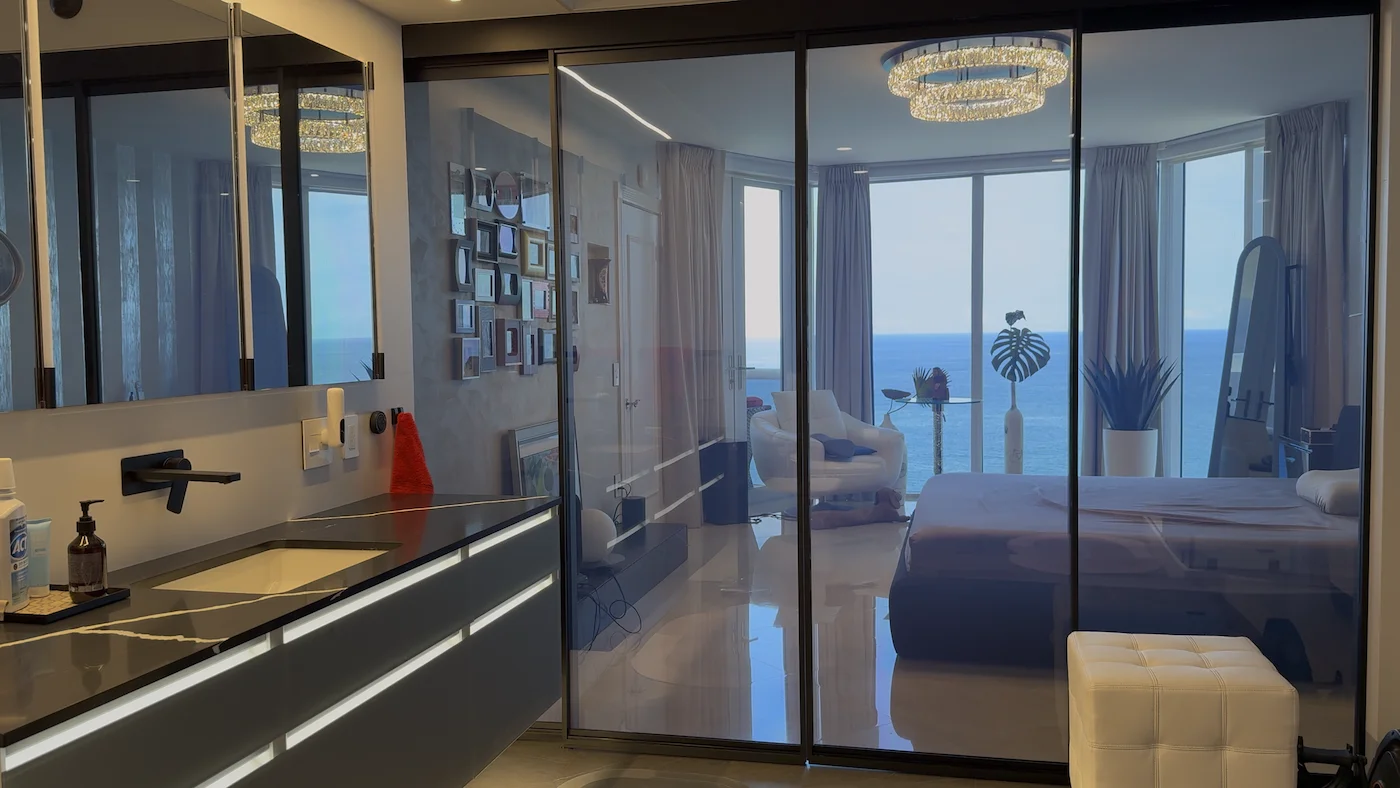
Bathrooms, showers, glazed stairwells and terrace railings. The view is the reason the glazing was specified, so blinds are the wrong answer; switchable glass makes the glass itself the control. Reverse mode holds the view with no power drawn.
View the sector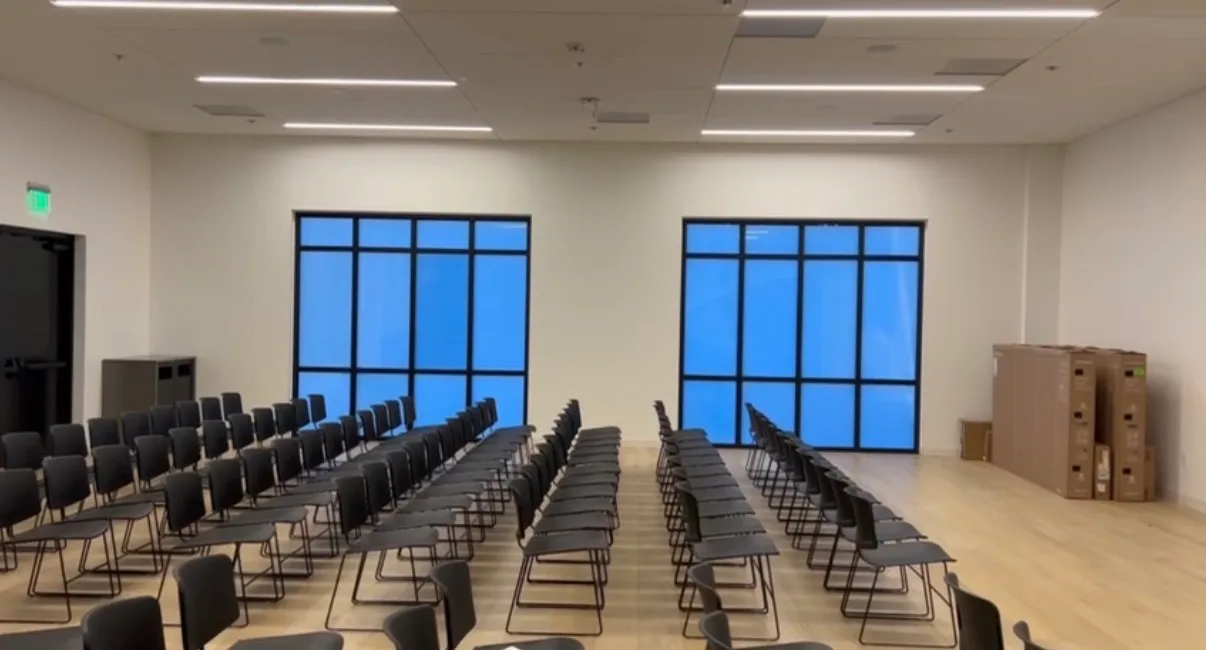
Education facilities
Classrooms, training rooms and labs that have to be supervised and, at other times, closed. One wall does both, with no hardware within reach of the room, and the glass becomes the projection surface when the lesson needs one.
View the sector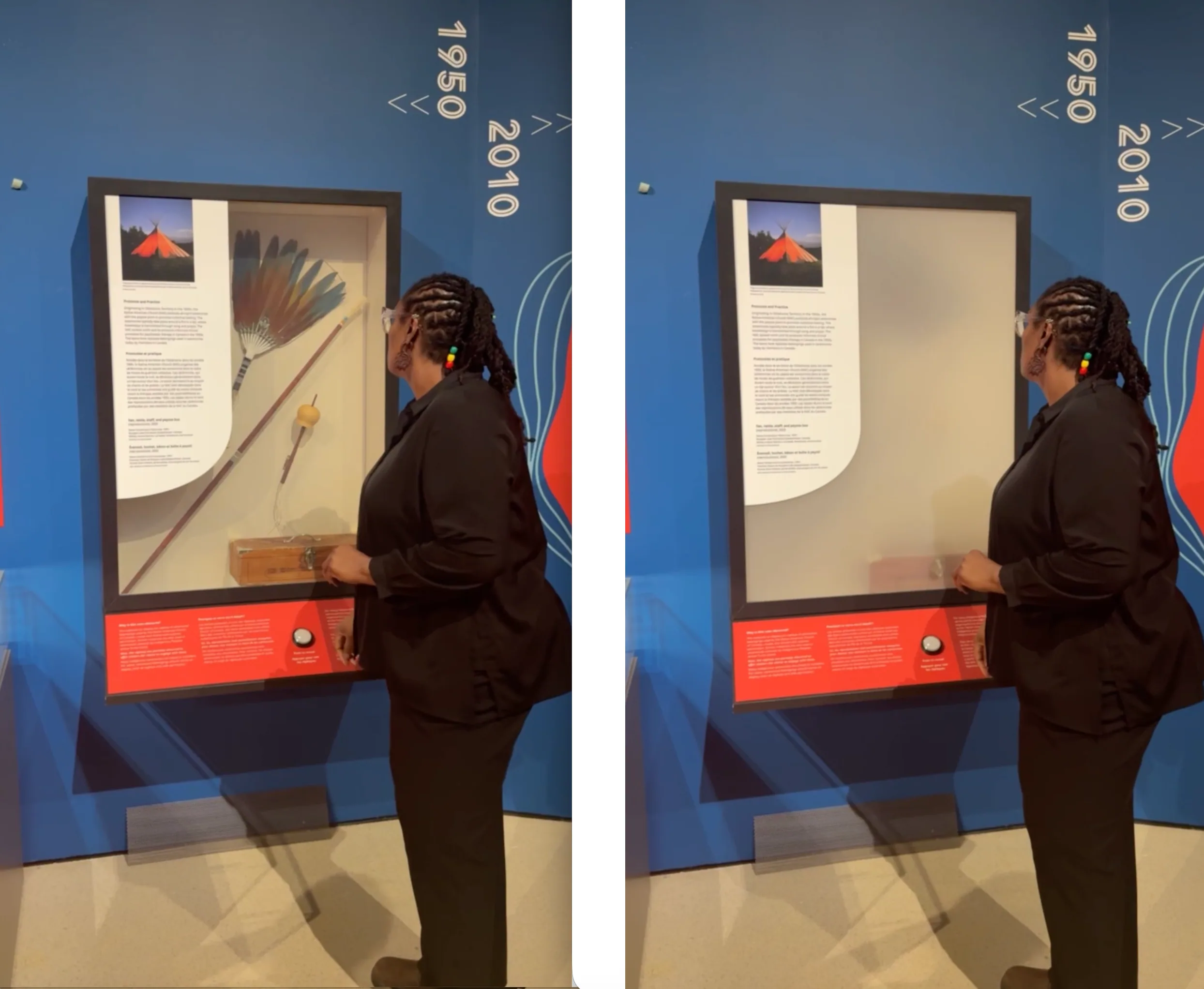
Public spaces
Museums, retail, hospitality and lobbies, where the glass is part of how a visitor reads the space. A display case that stays opaque until someone presses a button; a storefront that closes after hours without a shutter.
View the sector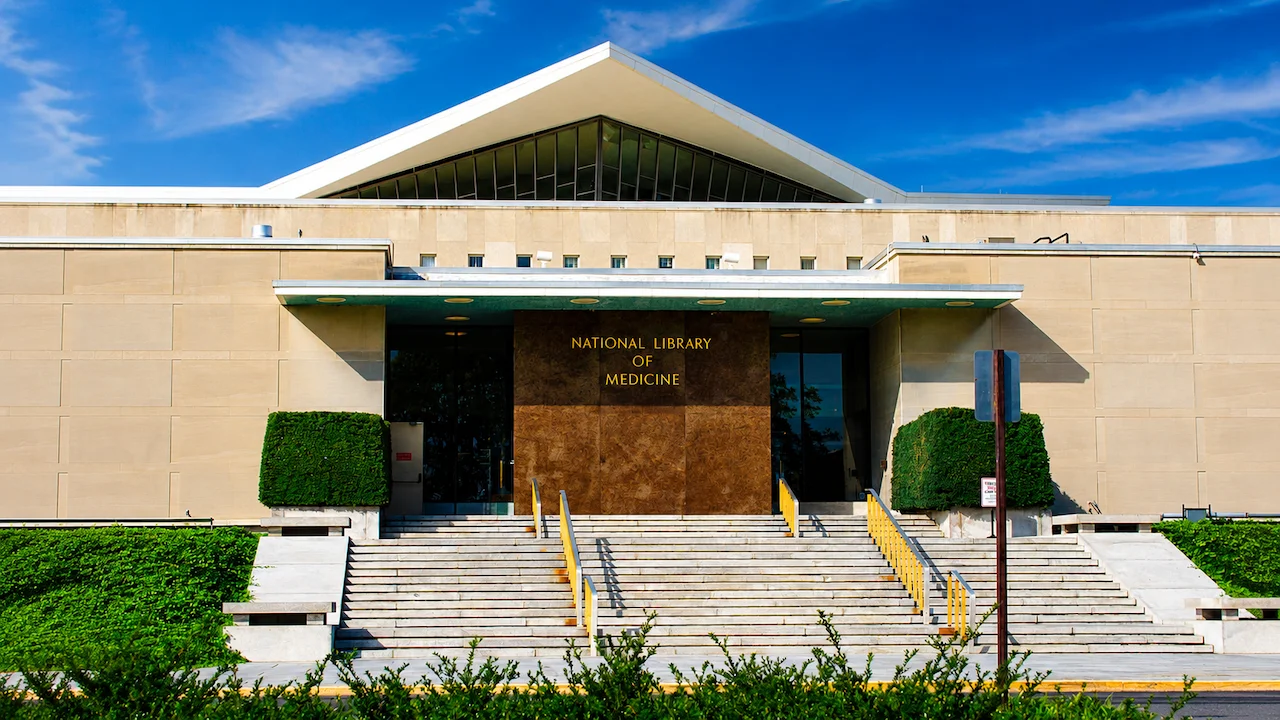
Government facilities
Where the requirement is control over what is visible and when. Conference rooms and secure areas switch private at a press, retrofitted onto existing partitions instead of reglazed, which matters in a building that cannot be taken out of service.
View the sector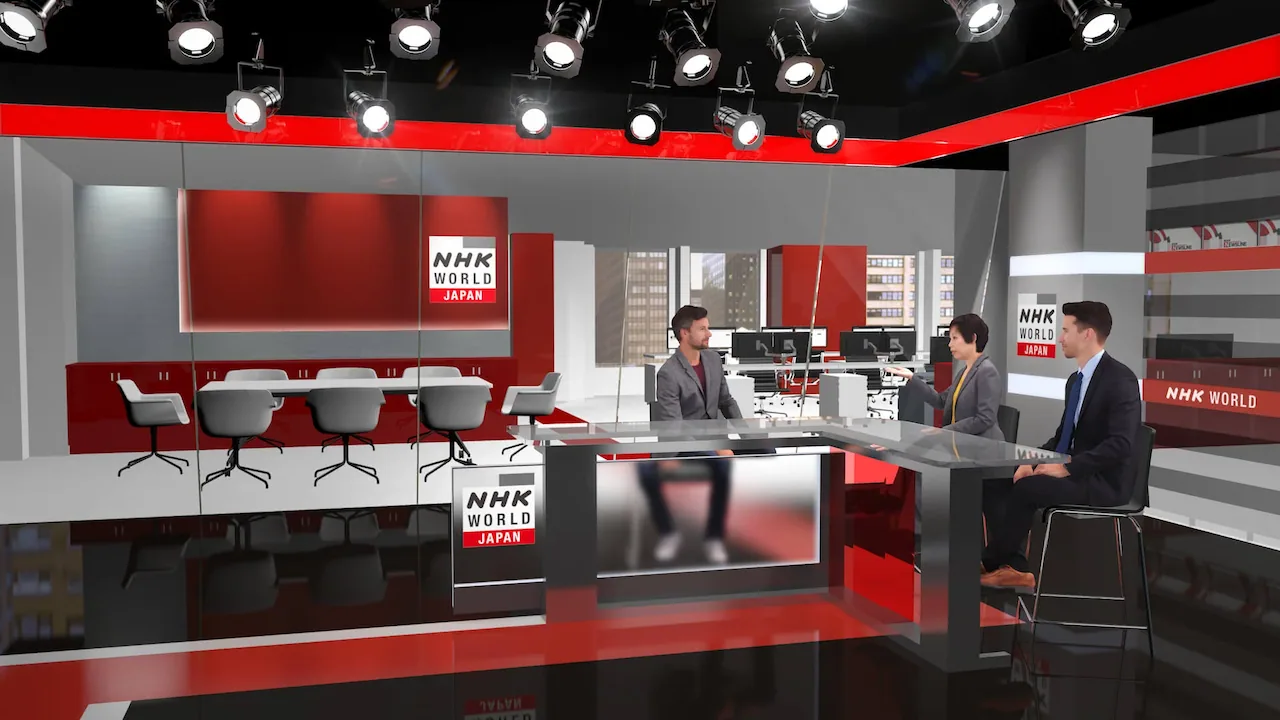
Film & television
Studios and sets, where visibility is directed, not managed. A newsroom is the backdrop when the camera is on and private when it is not, and a set wall changes state between takes without a grip touching it.
View the sector
Transit & rail
Stations, control rooms, ticket offices and vehicle interiors. The one sector that asks what an interior material does in a fire before it asks anything else. The film has been tested at Intertek against NFPA 130, the standard it asks in.
View the sectorHave a project open? Send the drawings, the dimensions, or a description of how the space is used. A quotation comes back as a panel schedule with a transformer and a date, priced on the panels you actually need. Nothing drawn yet? Book twenty minutes with a project specialist.
Three decisions, and they are made per room
How much concealment
A consulting room needs concealment; a boardroom needs the suggestion of it. PDLC reaches around 98% privacy, enough that shapes and shadows do not read through. PNLC reaches about 93–94%: controlled privacy, not complete concealment. That gap is the difference between the two, and it is a clinical decision before it is a design one.
Which state with no power
Normal mode is frosted unpowered and clear when switched. Reverse mode is the opposite. A space that is transparent most of the day should be transparent when nothing is switched on. It draws nothing to be in its normal state, and a power cut leaves the building looking the way it was designed to look.
Existing glass, or new
Self-adhesive film goes onto glass that is already in the building, so a floor stays in use and no glazing is re-ordered. Laminated switchable glass is the better unit where the panel is still to be made: the switchable layer sits inside the laminate, and the wiring is designed into the edge instead of added to it.
Exterior glazing adds a fourth decision. On a facade the glass is controlling solar gain and glare as much as sightlines. That is where DLC dynamic shading is specified instead, a tinted transparent state that switches to a deep dark one, and where the switchable layer often belongs inside an insulated glass unit.
The fifth is the opening itself, a different question from the sector: a door moves, a shower is wet, a rooflight is a solar problem, a balustrade is a barrier before it is glazing. That axis sits under Solutions, the same catalogue sorted by what is being built and not by who is buying it.
Specify it for the room, not the catalogue
Send the drawings, the dimensions or a description of how the space is used. PriWatt makes PDLC, PNLC and DLC glass and film in Pompano Beach, Florida, and the first conversation is technical: which mode, which format, and what it will take on site.