
Products
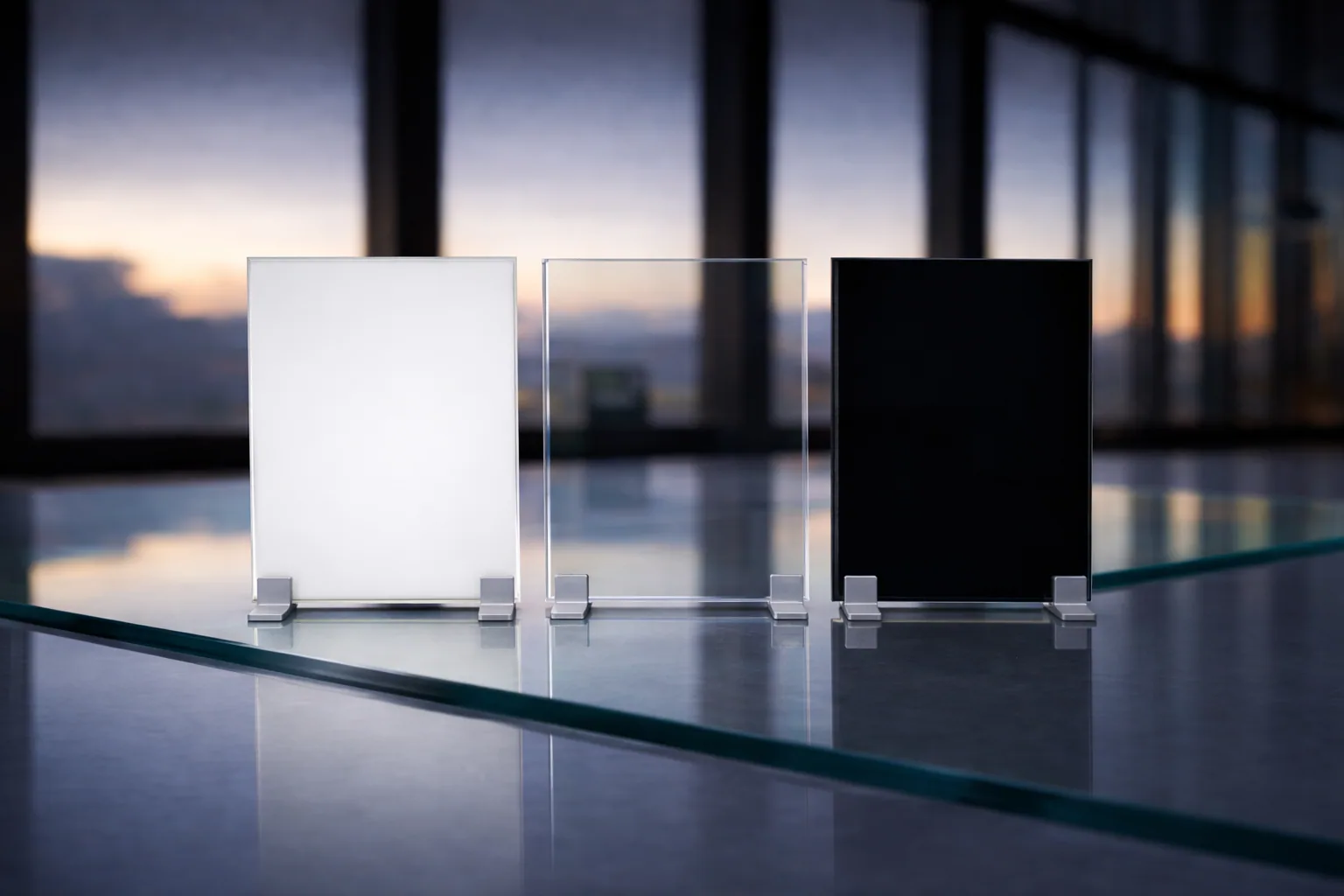
PDLC — Normal mode
Polymer dispersed liquid crystal. Opaque with the power off, clear when switched on. The general-purpose choice for offices, clinics and partitions.
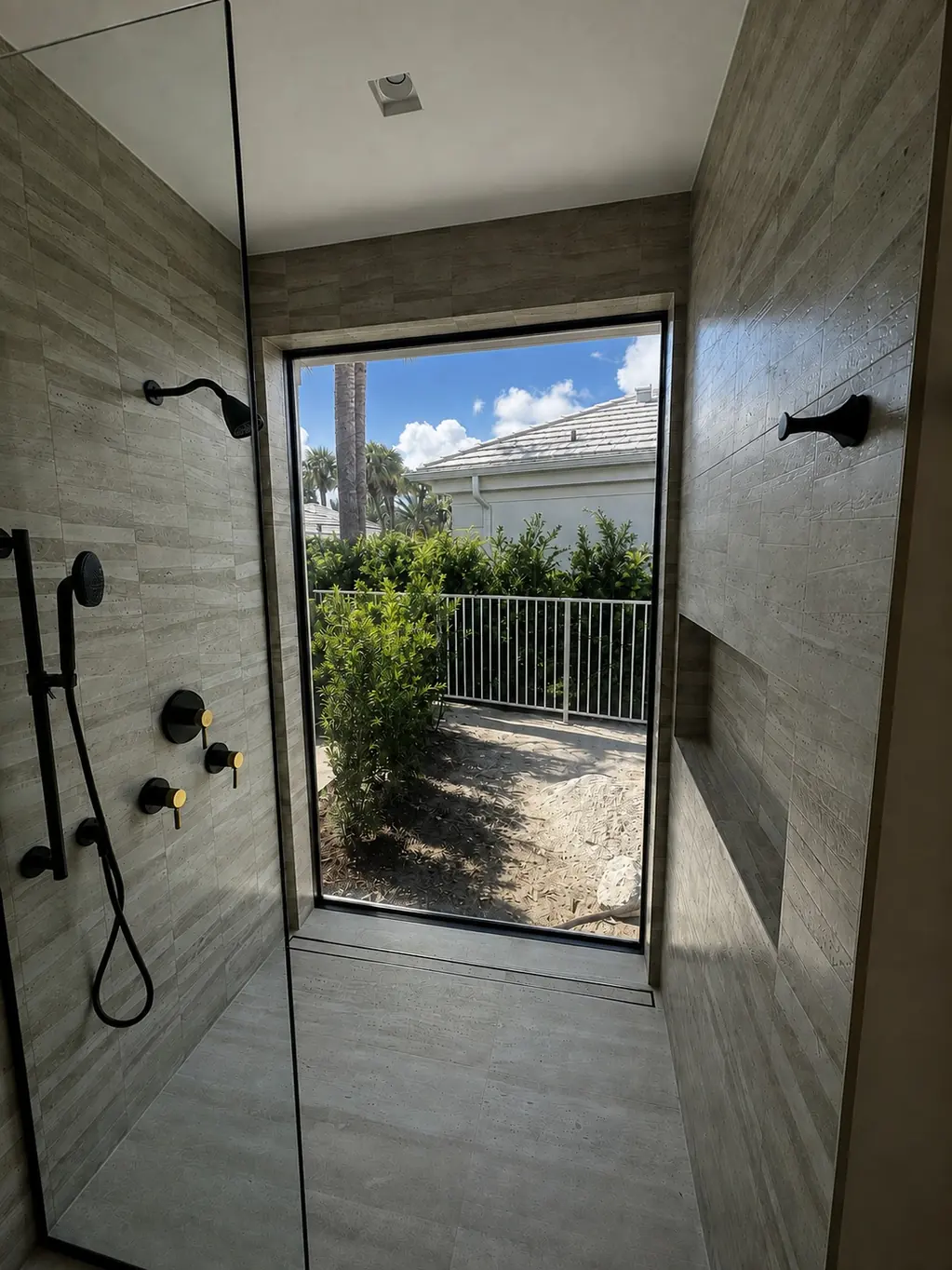
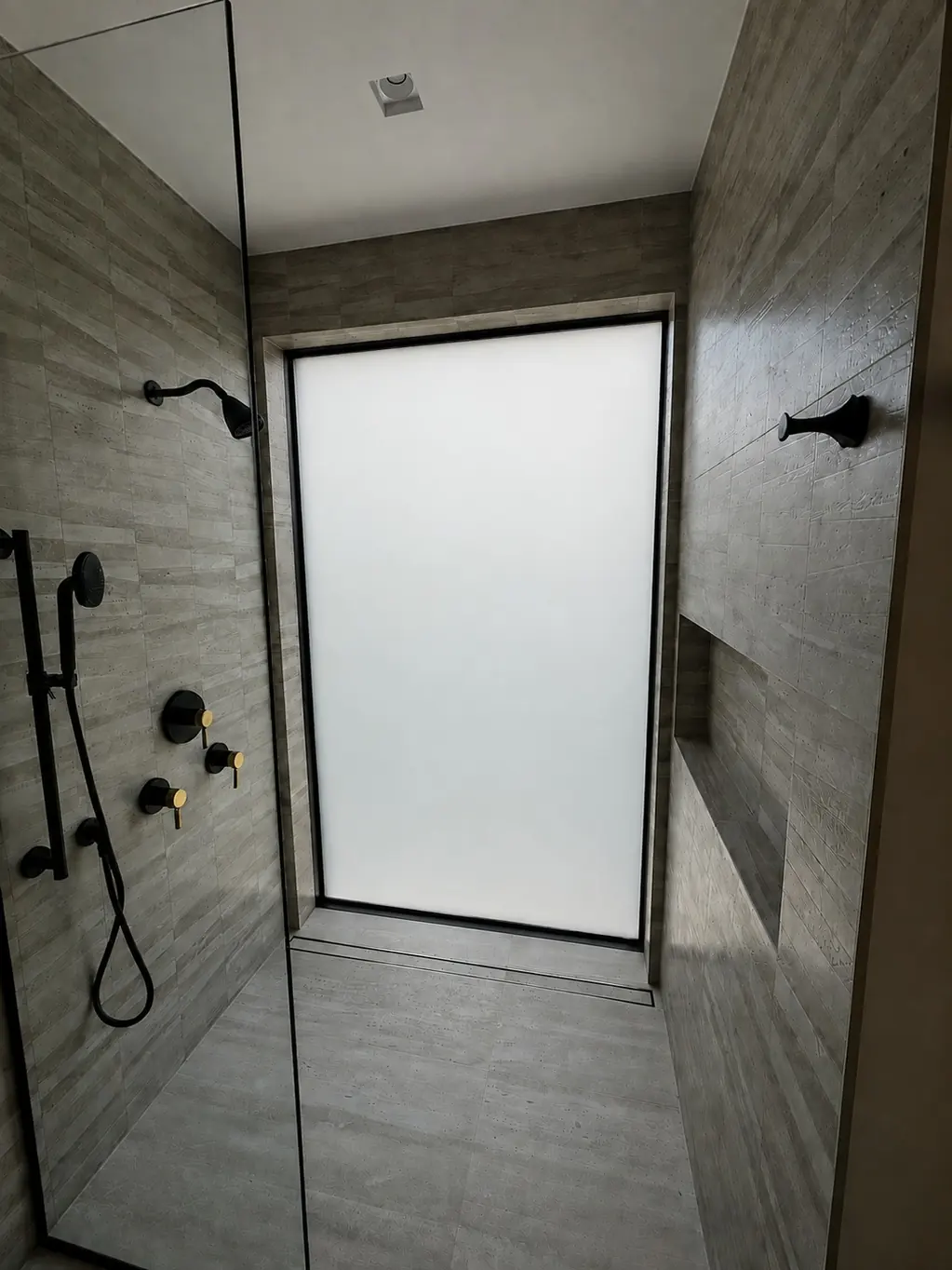
PDLC Smart Glass
PriWatt PDLC transforms from transparent to private in milliseconds, providing instant privacy for commercial, healthcare, hospitality, residential, and institutional environments.…
View product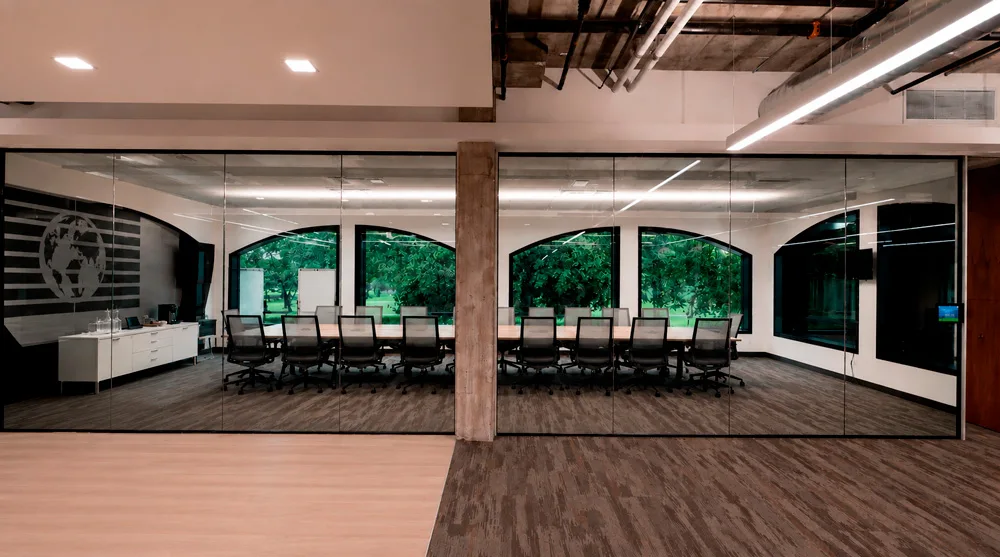
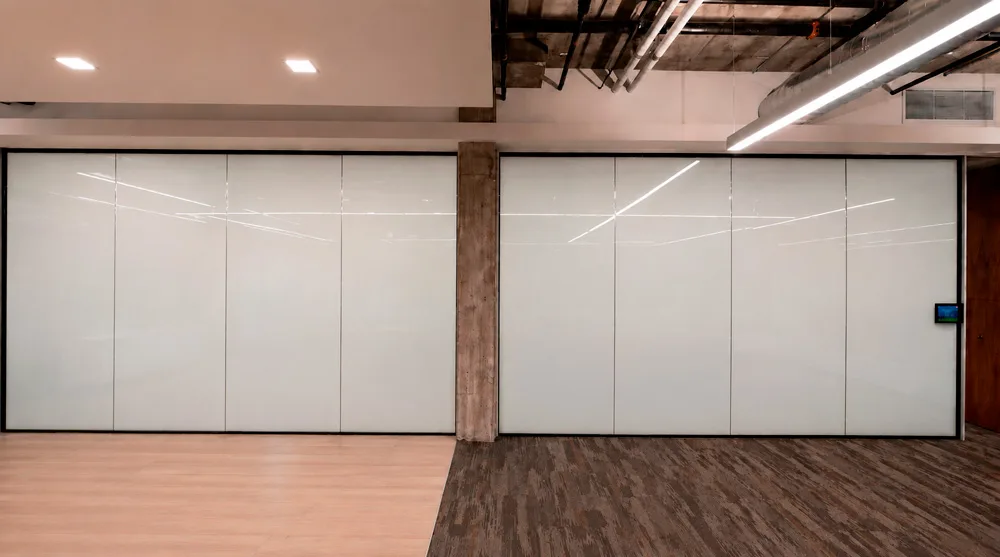
PDLC Smart Film
Switch instantly between transparent and private white states while maintaining clean architectural design and natural daylight.…
View productPNLC — Reverse mode
Polymer network liquid crystal. Clear with the power off, private only while energised — so a failure or an outage leaves the glass transparent, and the everyday state draws nothing.
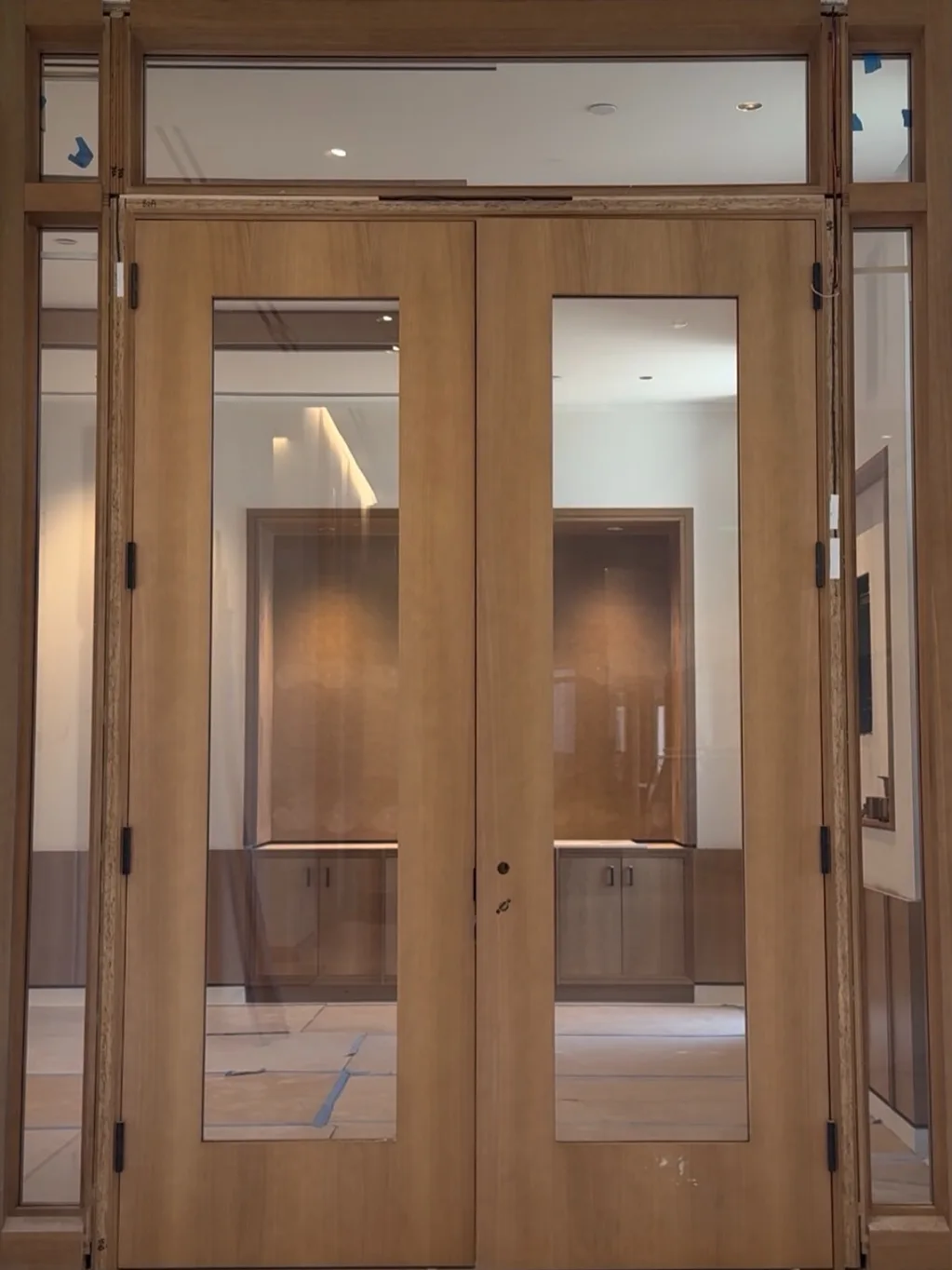
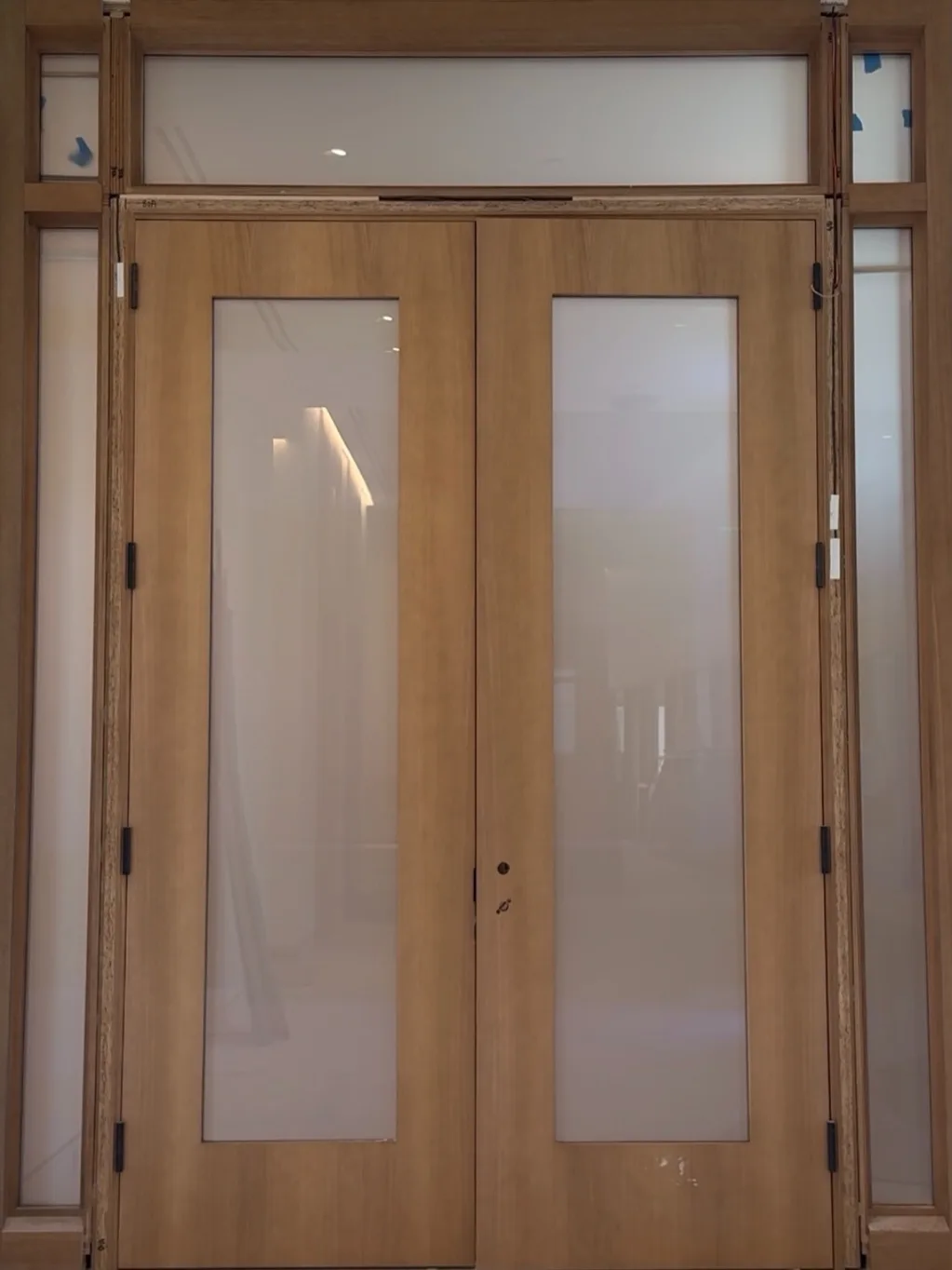
PNLC Smart Glass
Advanced PNLC switchable glass remains transparent without power and turns private only when activated. Manufactured in the USA for residential, commercial, healthcare, and archite…
View product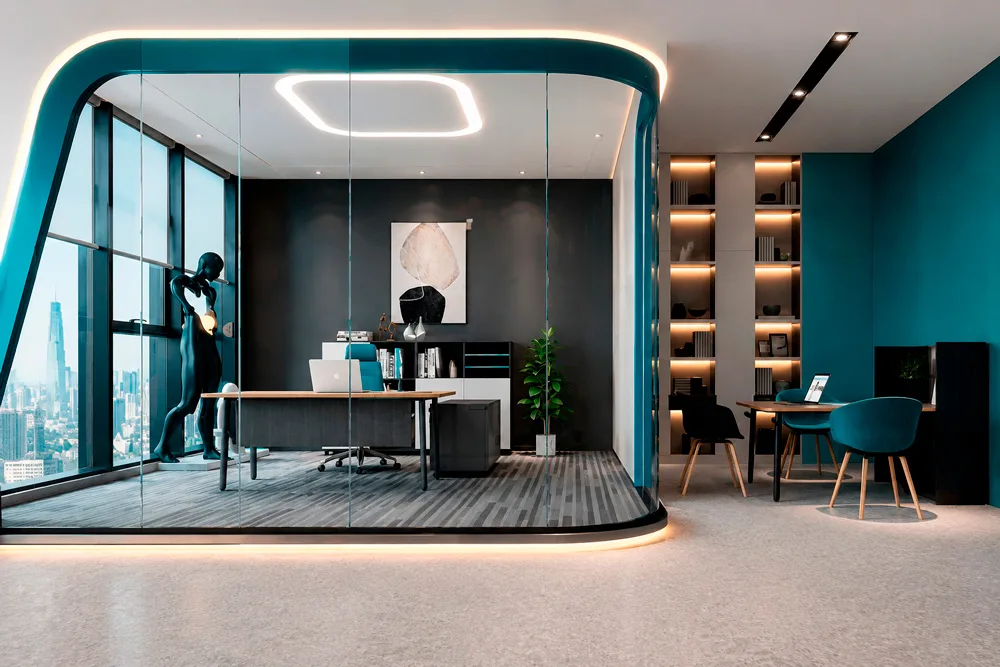
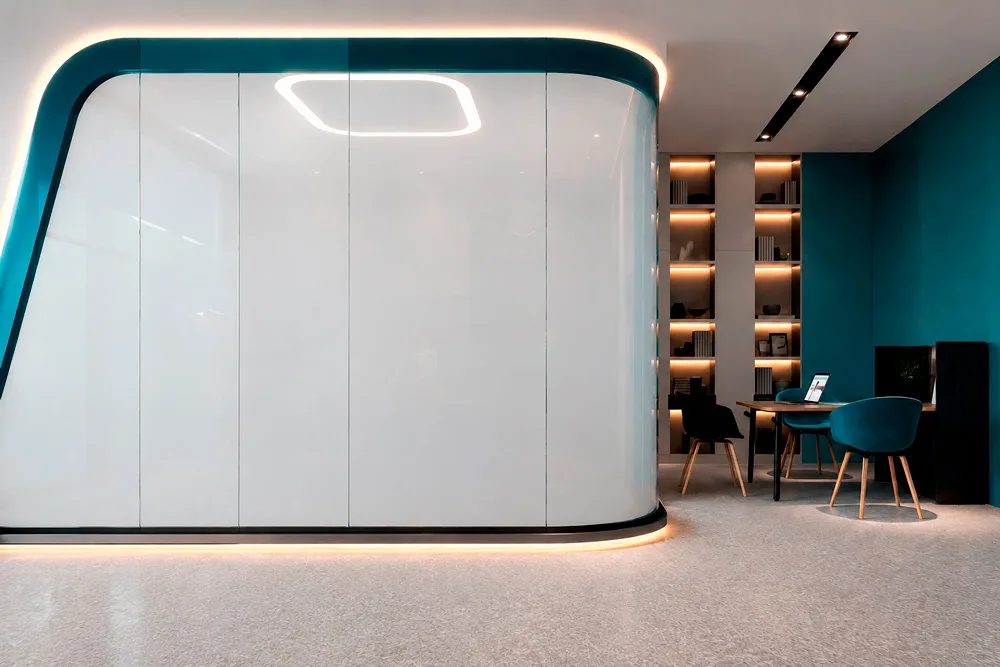
PNLC Smart Film
PriWatt PNLC Film is an advanced reverse-mode switchable film engineered for spaces where transparency is needed most of the time.…
View productDLC — Dynamic shading
Dye liquid crystal. Switches between a transparent tinted state and a deep black one, for solar control and shading rather than frosted privacy.
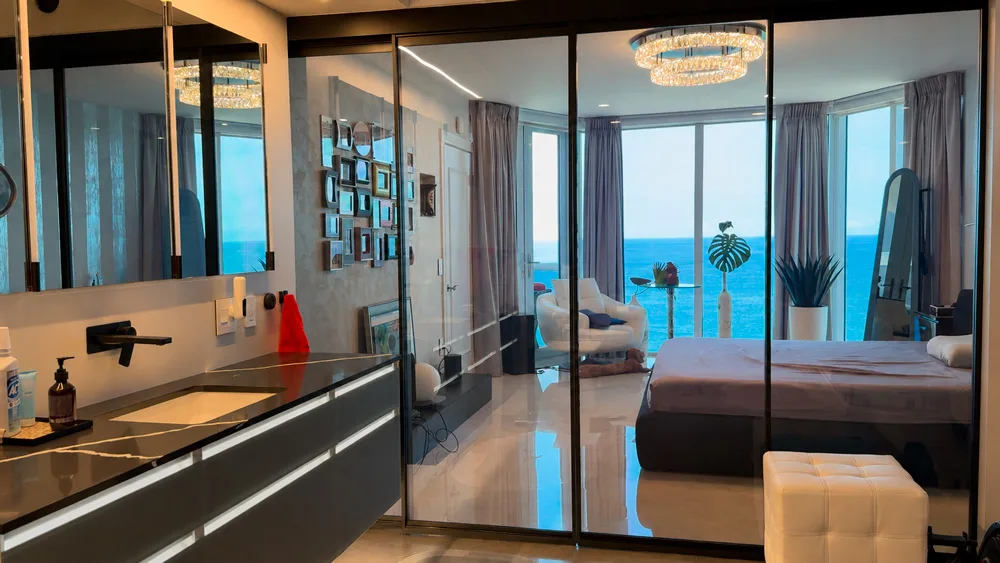
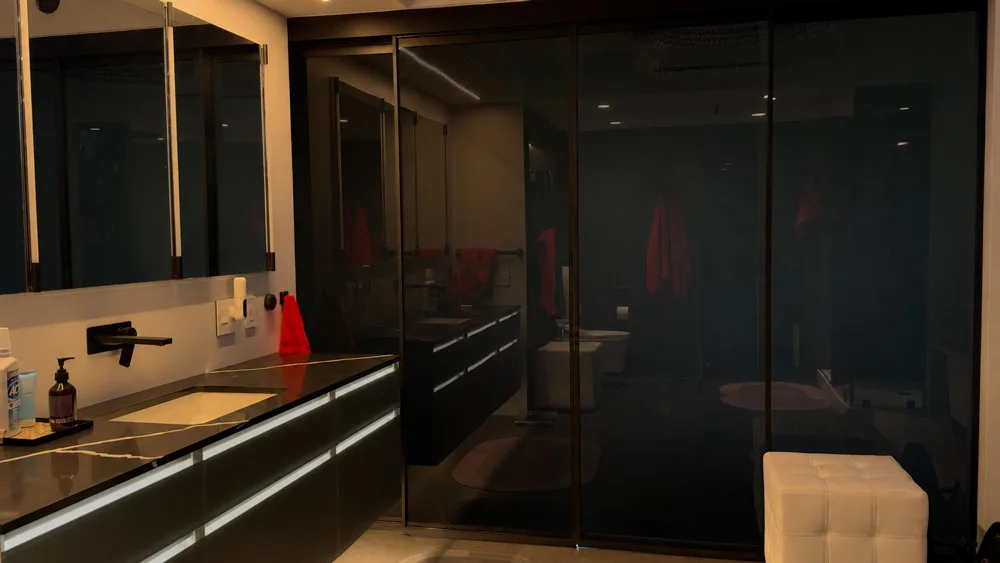
DLC Smart Glass
PriWatt DLC smart glass transforms instantly from a transparent tinted state to a deep black privacy mode using advanced Dye Liquid Crystal technology engineered for luxury residen…
View product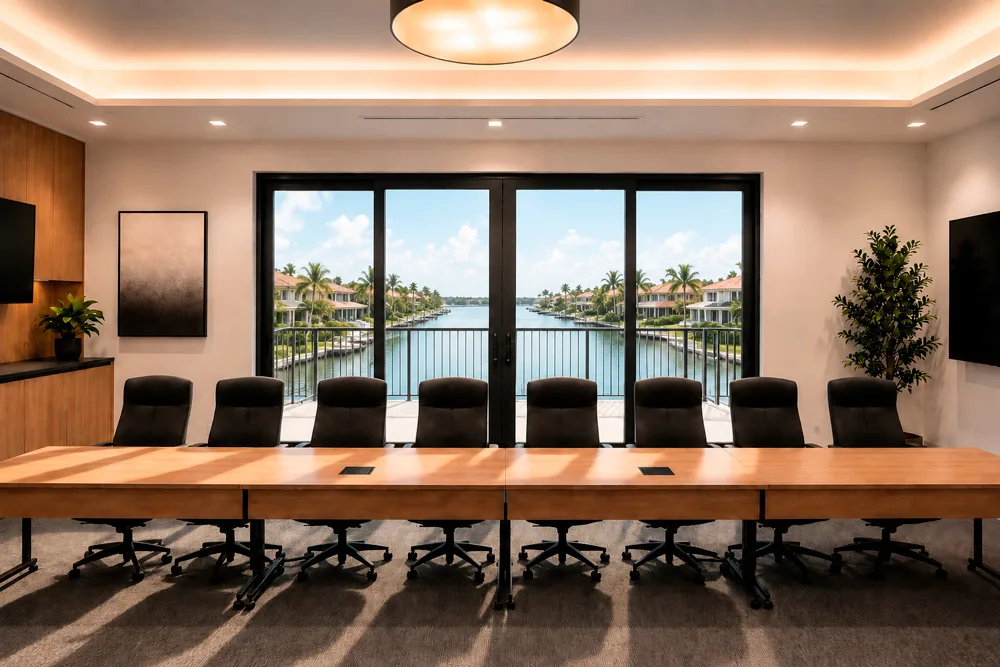
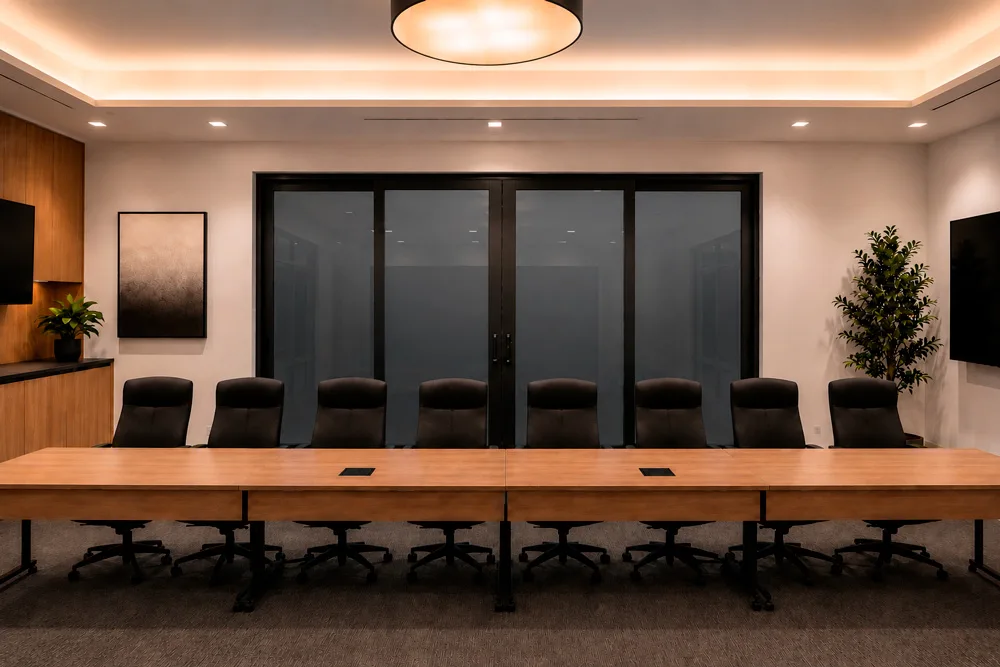
DLC Smart Film
Designed for suitable exterior and interior glazing, PriWatt DLC Film combines a refined tinted appearance, glare reduction, and instant privacy — all without replacing the existin…
View productTwo questions decide which product a project needs
PriWatt manufactures switchable glass and self-adhesive switchable film in Pompano Beach, Florida, in three liquid-crystal technologies. Six products, and the choice between them comes down to two things that have nothing to do with price.
1. Is the glass already in the building?
If it is, the answer is film. Self-adhesive switchable film is applied to the existing pane, so nothing is removed, no glazing is re-ordered and the room stays in use. If the glass is still to be made, laminated switchable glass is the better unit: the liquid crystal layer sits inside the laminate, protected, with the wiring designed into the edge.
2. Which state should it hold with no power?
A room that is transparent most of the working day wants reverse mode. PNLC is clear when unpowered, so it draws nothing to be in its normal state and a power cut leaves the building looking the way it was designed to look. A room that is private by default and opened occasionally wants normal mode. This is a specification decision, not a preference.
PDLC, PNLC and DLC do different jobs
All three switch instantly and all three are made here. They differ in what the private state looks like, and in what the glass is being asked to control.
| Attribute | PDLC — normal mode | PNLC — reverse mode | DLC — dynamic shading |
|---|---|---|---|
| Unpowered | Frosted white | Clear | Dark, privacy state |
| Powered | Clear, slight haze | Opaque — white, grey or bronze | Tinted and transparent |
| Haze in the clear state | 3–10% | <1–3% | — |
| Privacy in the private state | ~98% | ~93–94% | Dark tint, not a frost |
| Switching | 10–100 ms | 1–10 ms | Instant |
| Operating voltage | 40–110V AC | 5–60V AC | 60V AC |
| Power draw | ~5 W/m² | ~1–3 W/m² | — |
| Colours | White | White, grey, bronze | Contrast 18 or 1:15 |
| Controls | Privacy | Privacy, with the clear state as default | Glare, solar gain and privacy |
| Typically specified for | Interior partitions, clinics, bathrooms | Boardrooms, storefronts, premium interiors | Exterior glazing and facades |
PDLC is the mature one: commercially available since the late 1980s, and most of the switchable glass installed anywhere. Its private state works by scatter, so it glows instead of blocking — a soft, warm frost. Where privacy is the requirement and not the effect, its ~98% is the highest of the three.
PNLC forms a continuous polymer network instead of dispersed droplets. The clear state is clearer, the haze is measurably lower, and the private state can be specified in grey or bronze so it matches the material palette instead of arriving as a white rectangle in the middle of one.
DLC is a different problem. A guest-host system of dichroic dye in a liquid crystal matrix, it moves between a tinted transparent state and a deep dark one. So it is specified where solar gain and glare matter as much as privacy, which usually means the outside of the building. Powered clear it transmits 36% of visible light at 1:8 contrast, 28% at 1:15.
Reverse mode, in full
What changes when the glass is clear with no power: energy, the failure state, haze, and when a project should specify it.
PDLC against PNLC, with the numbers
The full comparison of haze, switching, voltage, power draw and price, and which state the glass should hold when nothing is switched on.
Switchable glass in an insulated unit
What changes when the switchable layer goes inside an IGU: solar gain, HVAC load, and what comes off the facade.
Working on one now? Send the room and its dimensions, and we will say which of the six it actually wants and we will price the panels themselves — a quotation with the schedule, the transformer and the lead time on it. Rate cards do not survive contact with a real opening. Still deciding? Start with twenty minutes with a project specialist.
The panel is the visible part of a system
Switchable glass is an electrified assembly bonded into a building, usually above people’s heads. Every PriWatt product is quoted as the whole of it.
- Made to size: up to 143 in tall and 57 to 72 in wide depending on the product, any shape, with the holes, notches and cut-outs the hardware needs
- The isolation transformer and the control that drive the panel, sized to the run
- A busbar anchored by a patented method, at the edge, where switchable film usually fails
- UL file E514182 and SGCC certificate 9894, both checkable by number before you buy
- Shop drawings and a technical review before anything is made
- Manufactured in the USA, so the lead time is a schedule and not an estimate
Isolation transformers
What drives the panel, how the circuits are sized, and which control options integrate with the building.
Patents and certifications
UL E514182, SGCC 9894, and patents US 11,686,966 B2 and CA 3,212,838, and what each one covers.
What it costs per square foot
Ranges for film and for laminated glass, what moves the number, and what is quoted separately.
Every measured value
Optical, electrical and physical data for all six, side by side and stated by optical state.
Built as a door, a shower, a railing
The same six products as doors, showers, rooflights and railings, and what each one changes about the panel.
Send the drawings, not a product code
Dimensions, the room and how it is used are enough. We will say which of the six the project actually wants, including when that is the cheaper one, and quote it made to size. Pompano Beach, Florida; 1-866-PRIWATT (1-866-774-9288).
Not sure which of the six? Come at it from the other side: by the sector the room is in, or by what is actually being built.