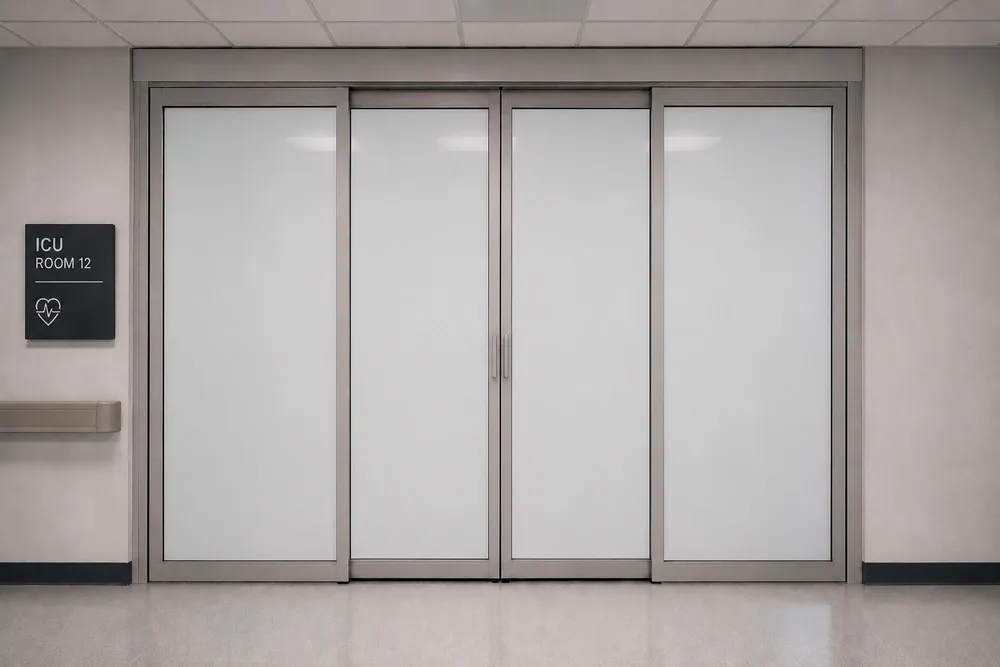
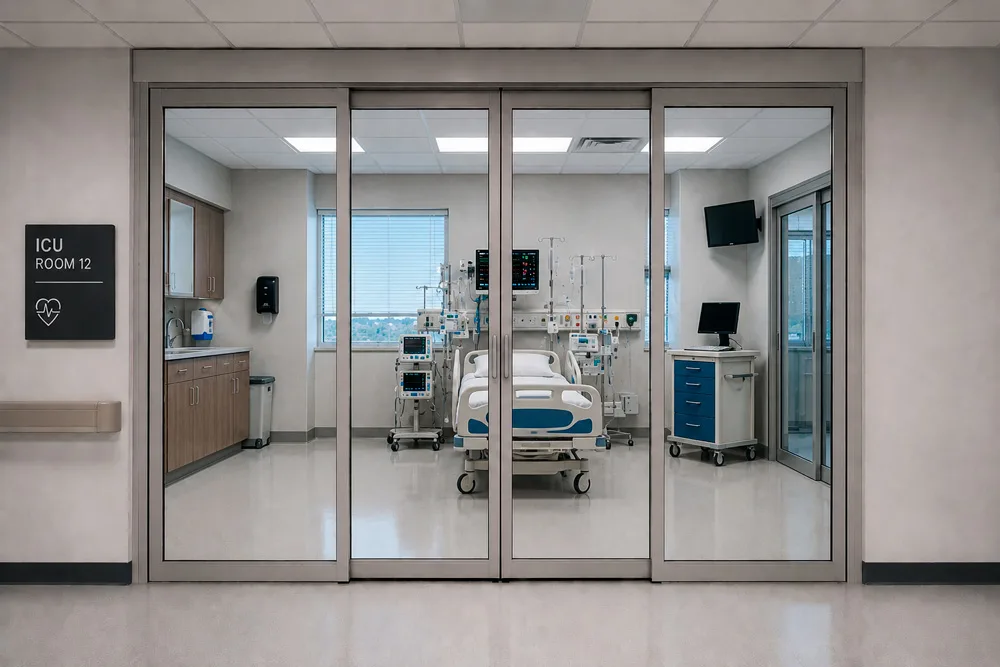

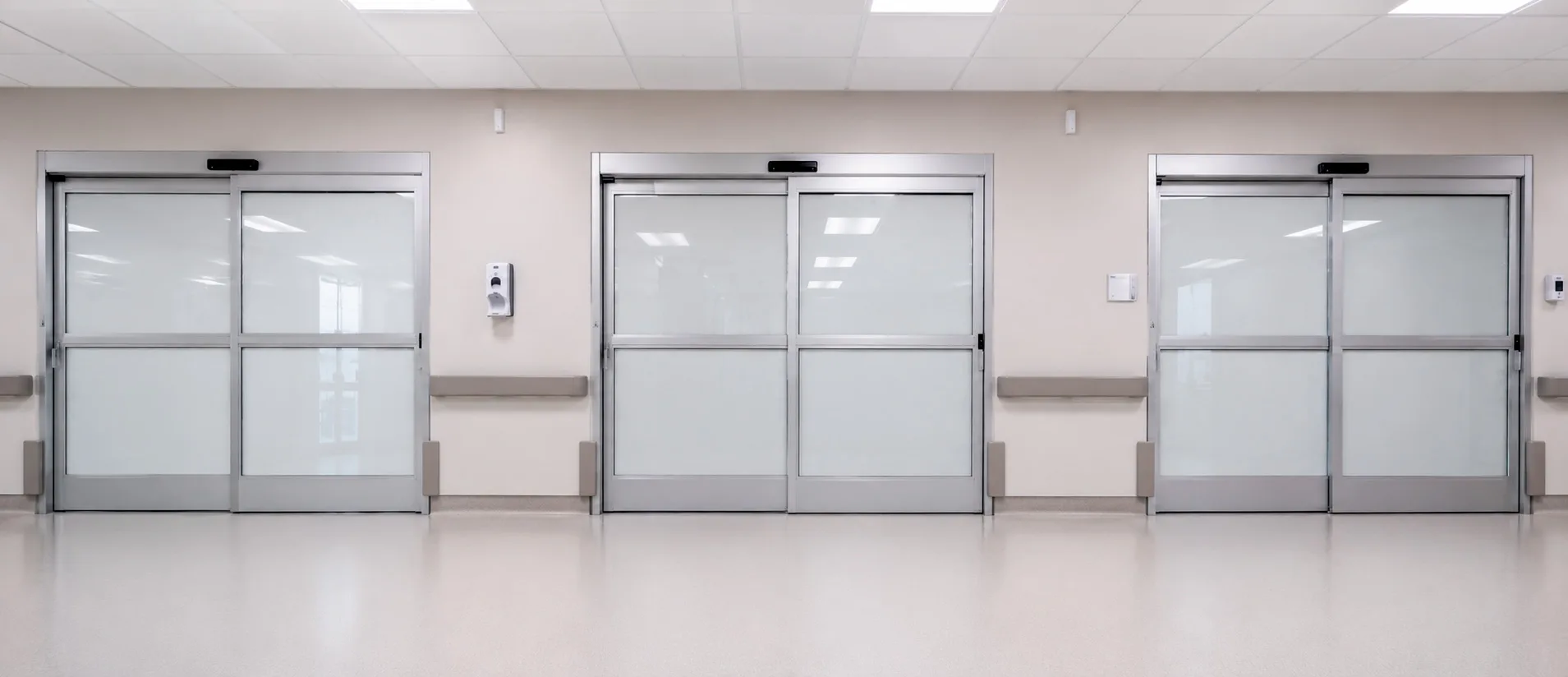
Healthcare environments require a balance between privacy, visibility, hygiene, and operational efficiency.
PriWatt transforms traditional glass into an intelligent privacy solution that adapts instantly to changing clinical needs.
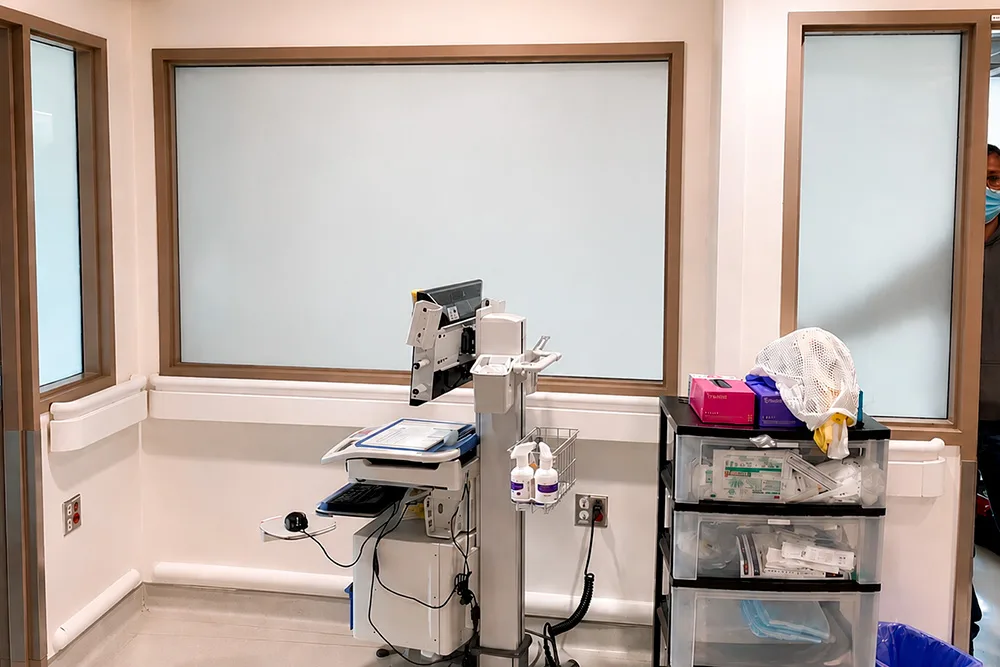
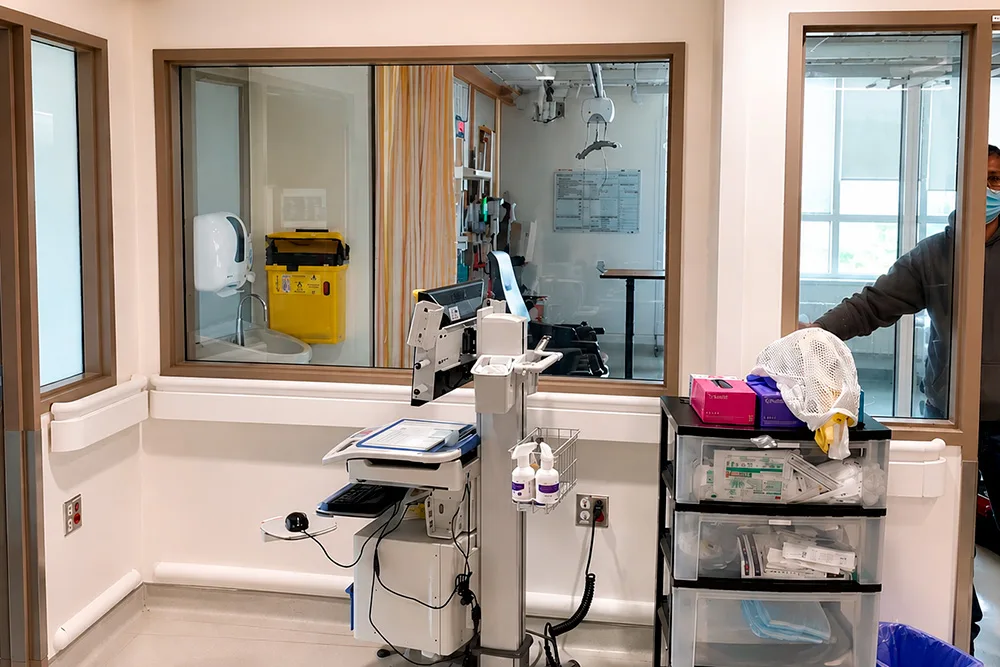
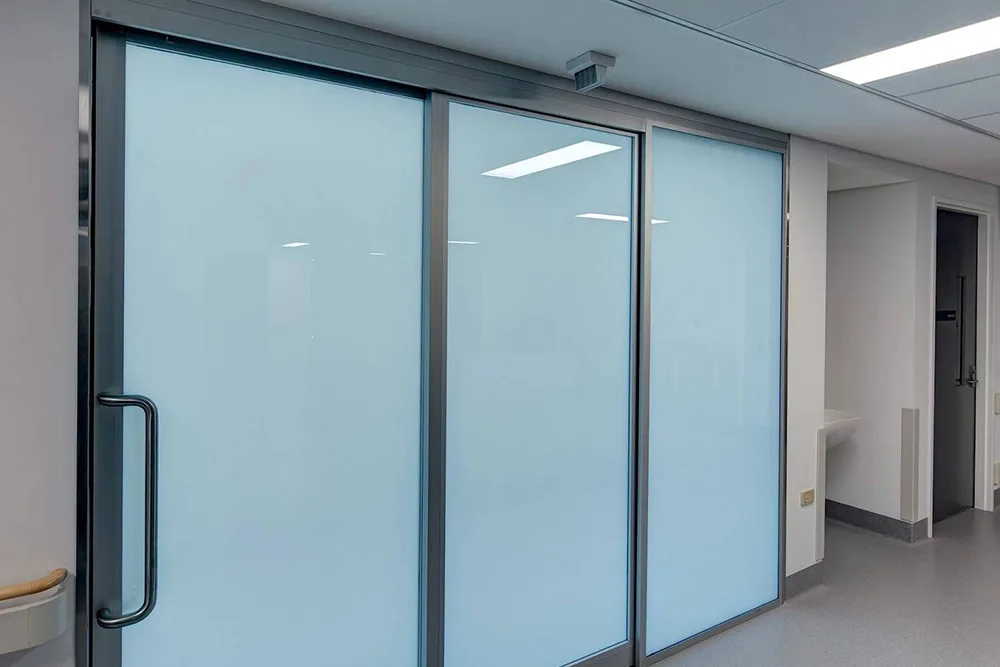
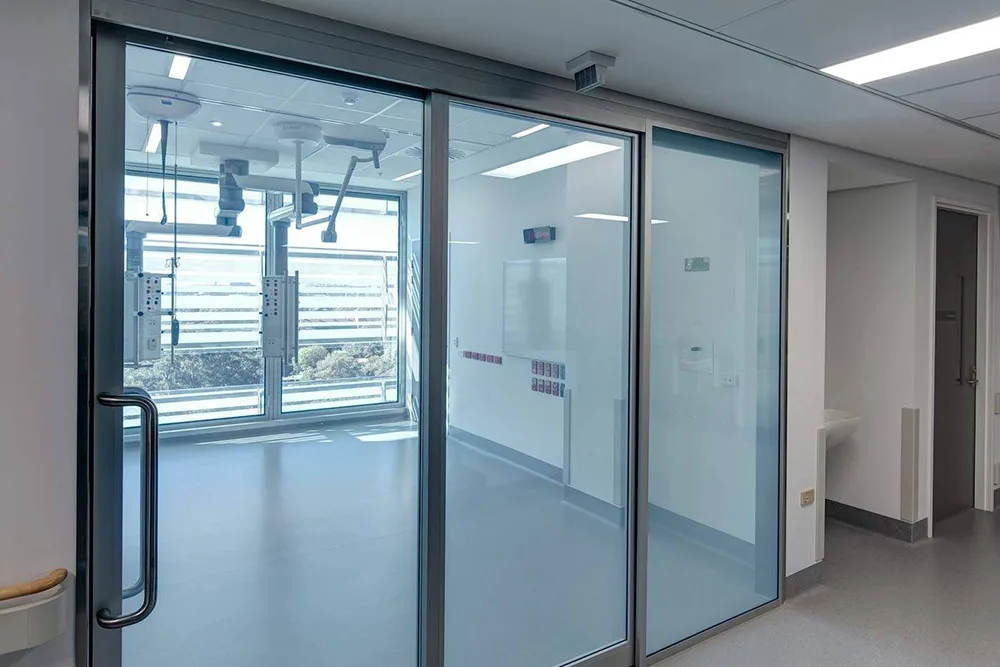
With the touch of a button, glass transitions from transparent to private without curtains, blinds, or manual barriers.
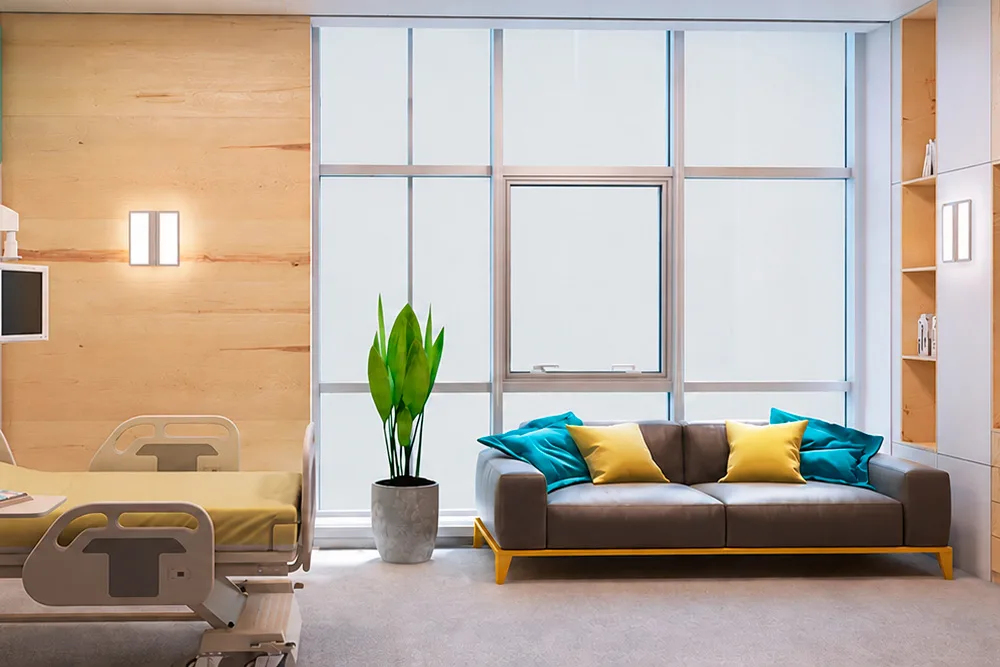
Designed for modern healthcare environments, PriWatt supports infection control initiatives, enhances patient dignity, and improves workflow efficiency while maintaining access to natural light.
From critical care units to consultation rooms, PriWatt helps create cleaner, calmer, and more responsive medical spaces.
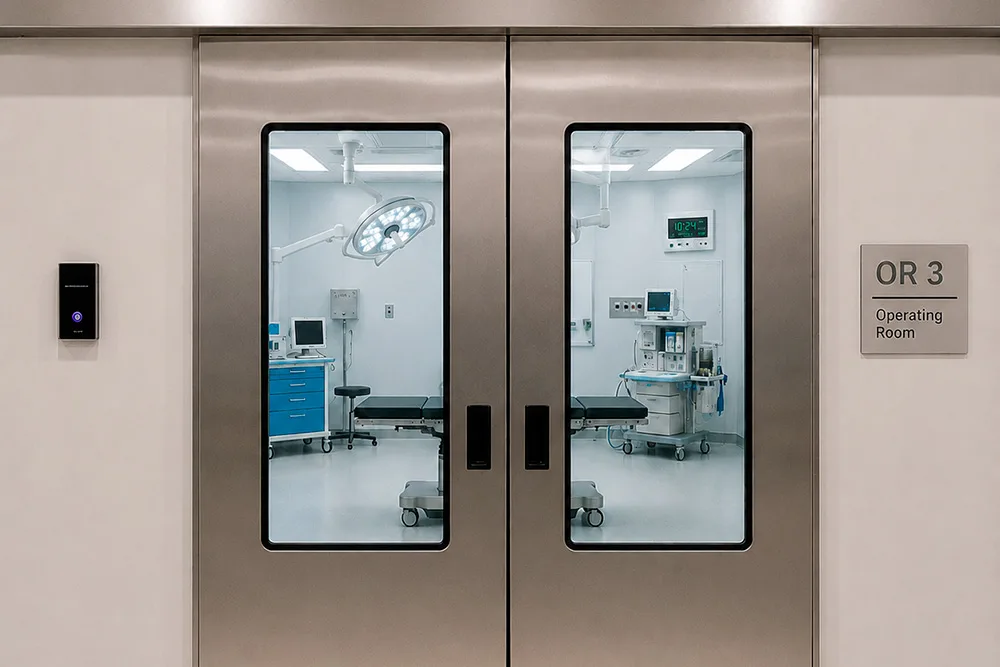
In critical care environments, every second matters.
PriWatt delivers immediate privacy while preserving staff visibility, equipment access, and efficient patient monitoring.
Glass can transition instantly based on clinical needs without disrupting care delivery.
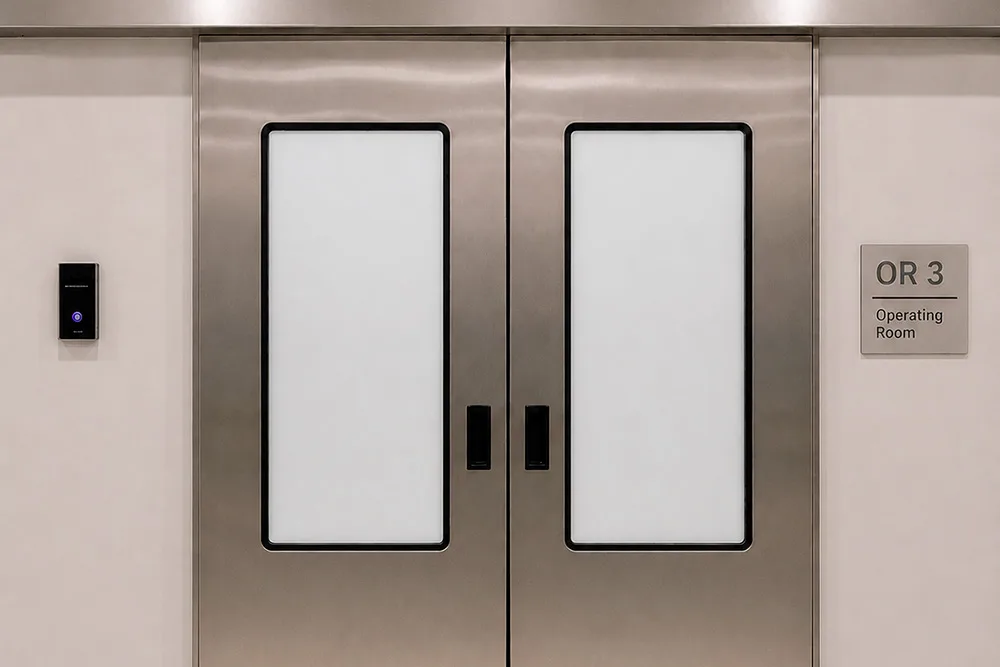
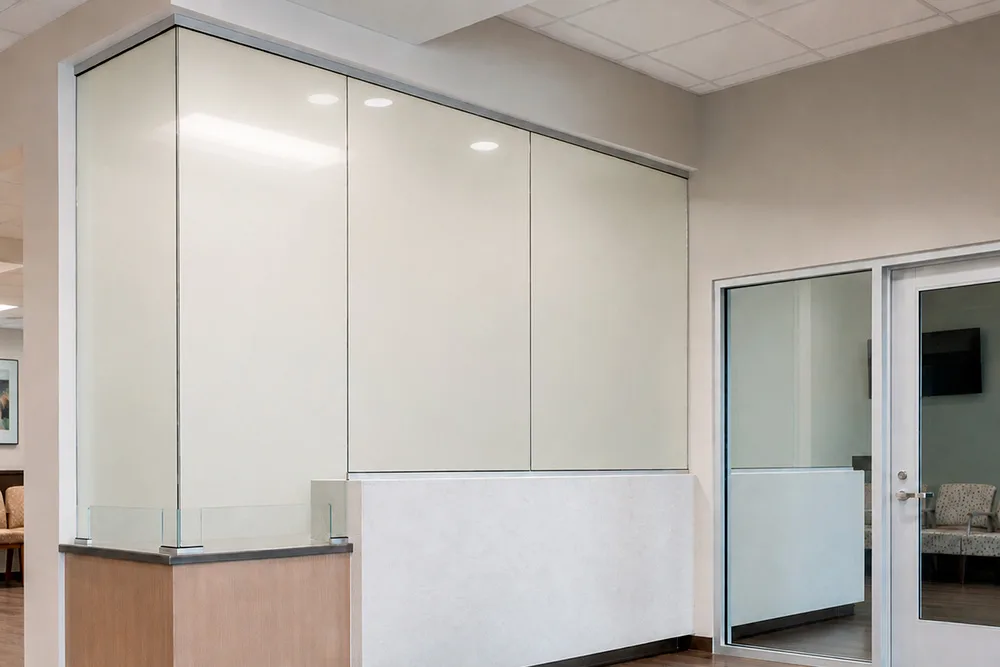
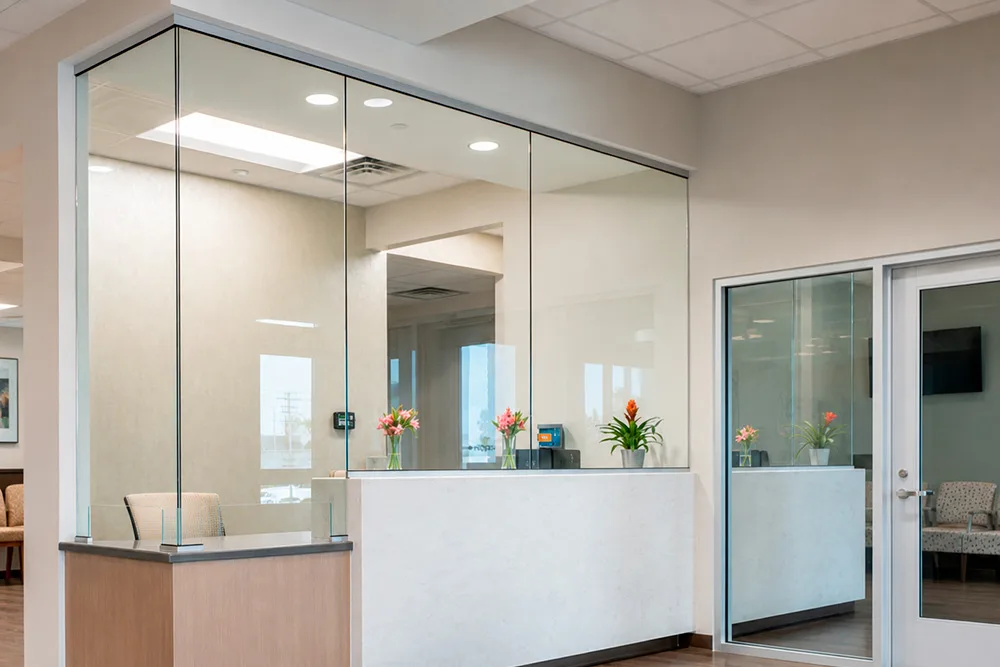
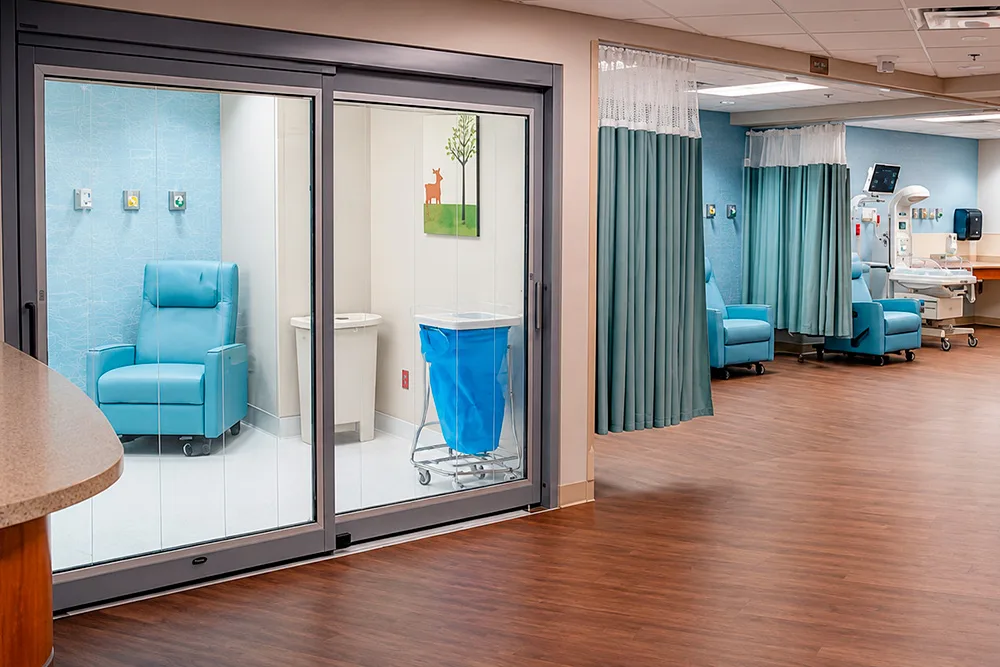
Traditional privacy curtains can contribute to contamination concerns and increase maintenance requirements.
PriWatt provides a smooth, non-porous privacy surface that supports cleaning protocols and reduces dependence on fabric barriers.
Create cleaner environments while improving patient comfort and recovery experiences.
Ideal Applications
Benefits
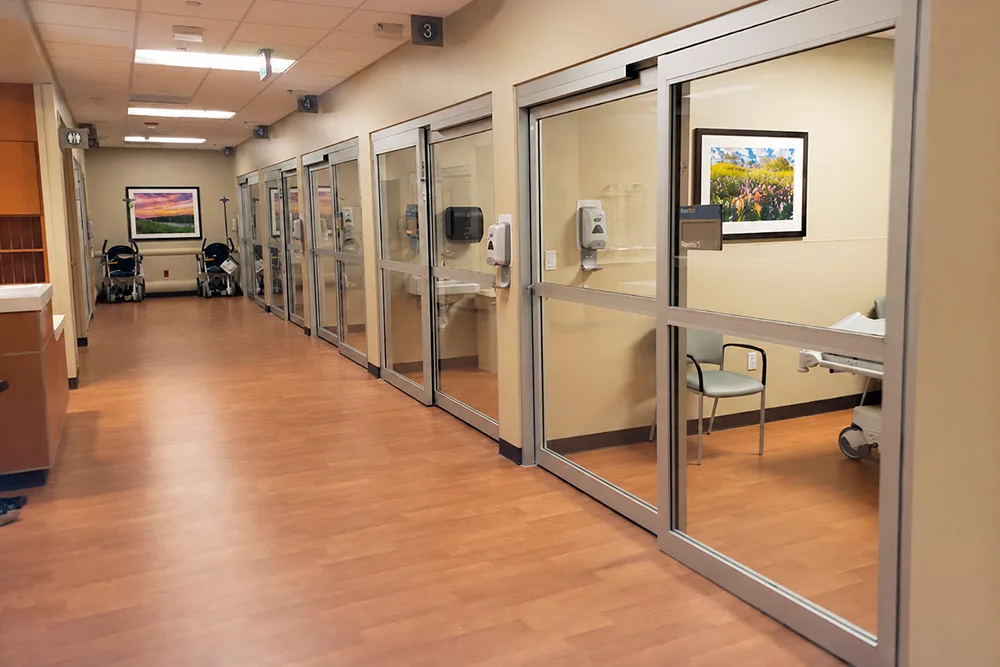
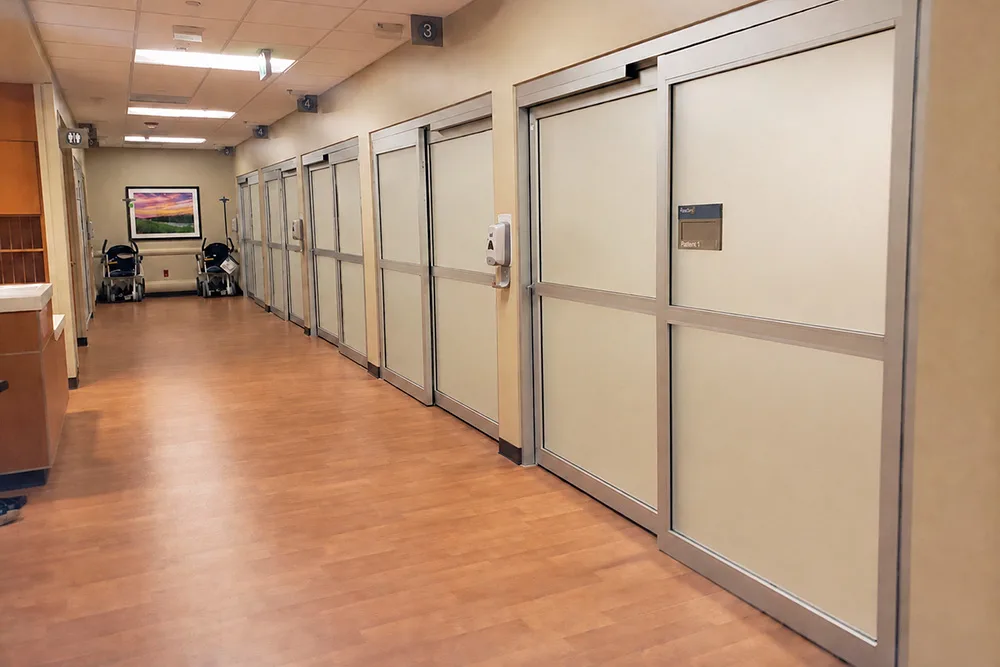
Diagnostic environments require patient cooperation, visual calm, and operational control.
PriWatt creates private, comfortable spaces while maintaining clean, bright clinical environments.
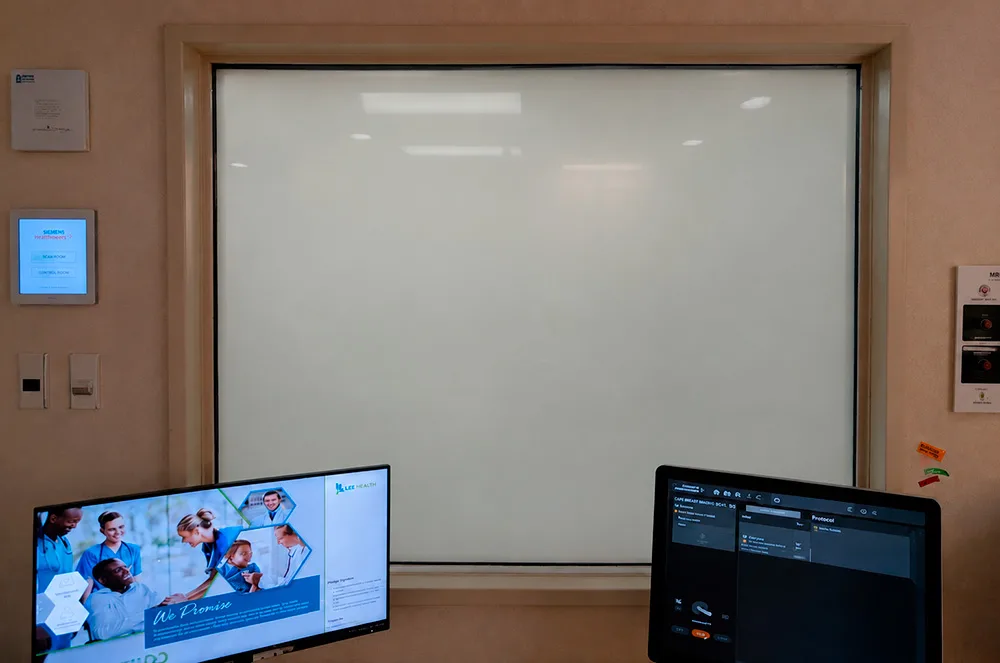
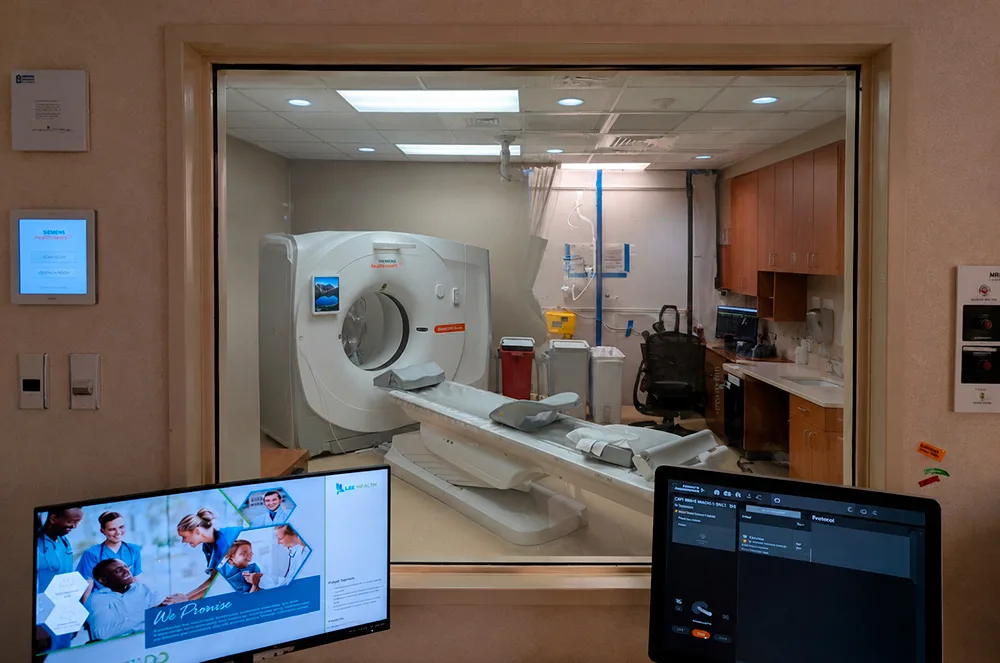
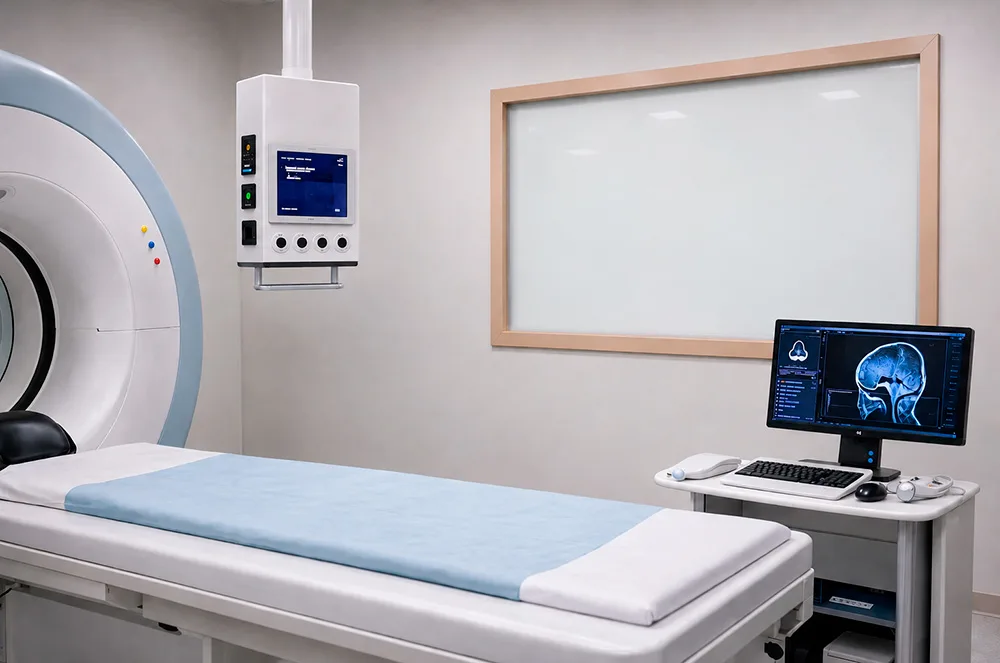
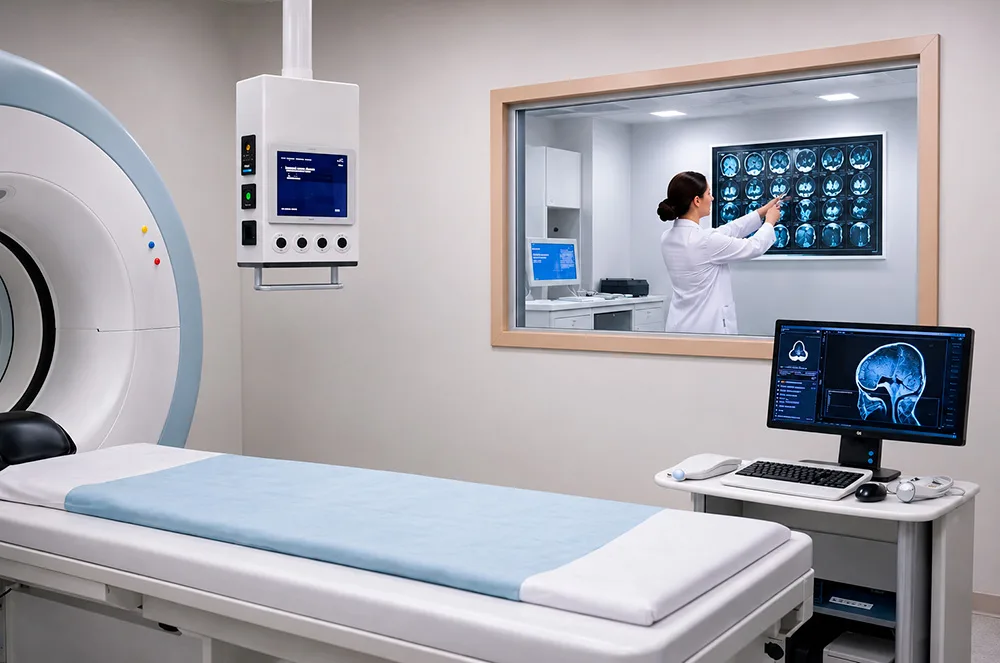
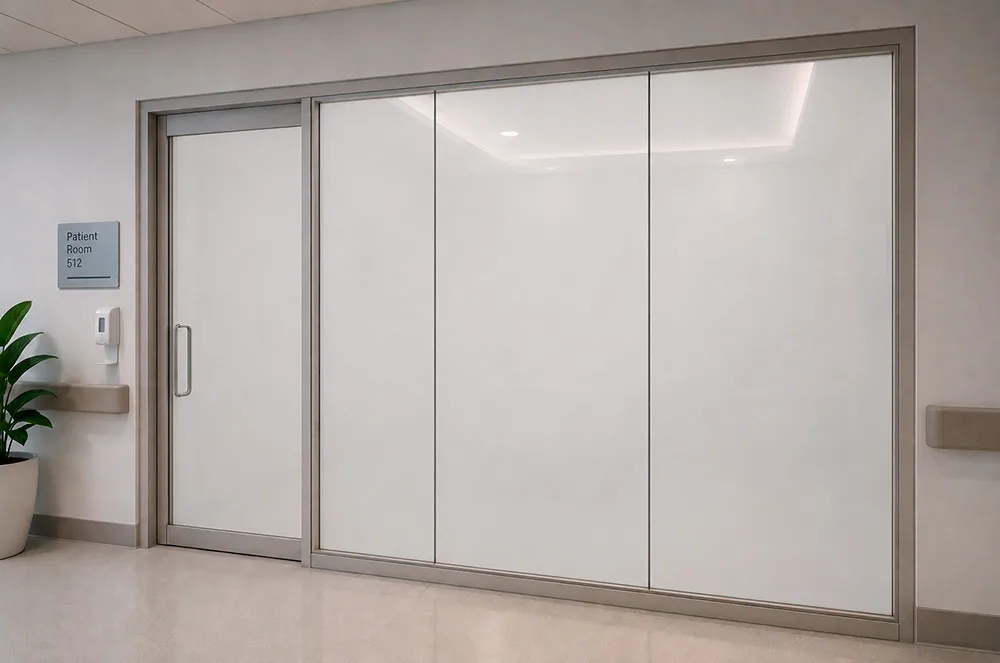
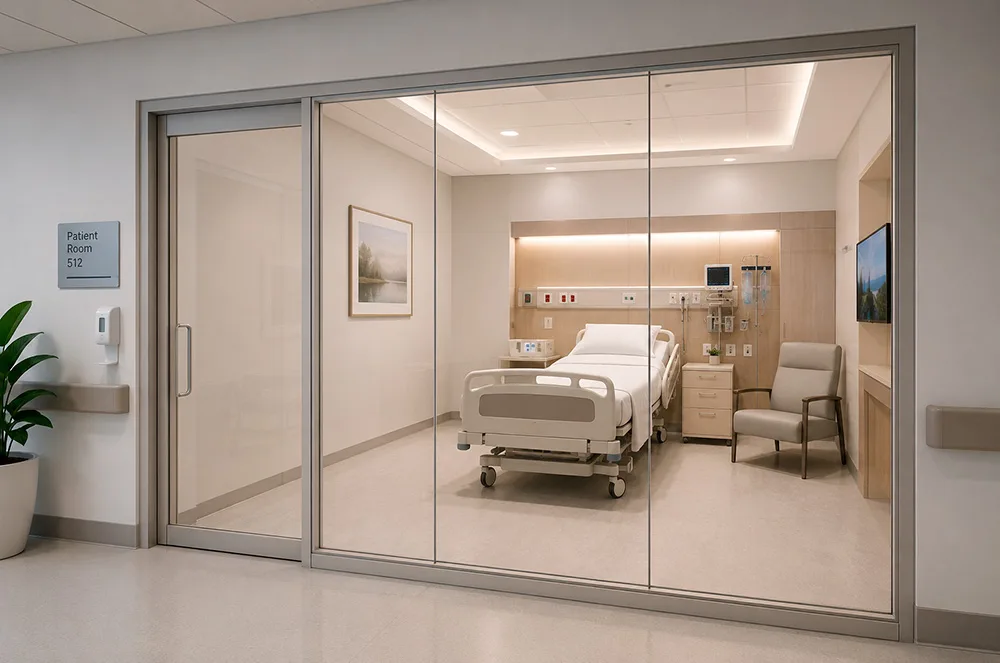
Care teams and families require flexible spaces that support both visibility and emotional wellbeing.
PriWatt allows spaces to remain open when observation is required and private when sensitive moments arise.
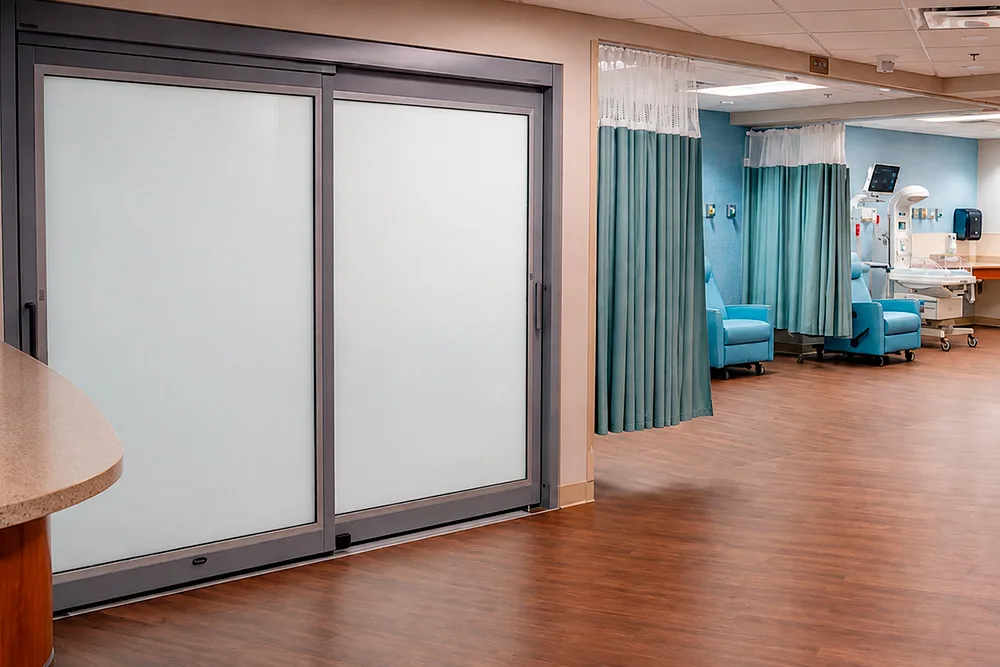
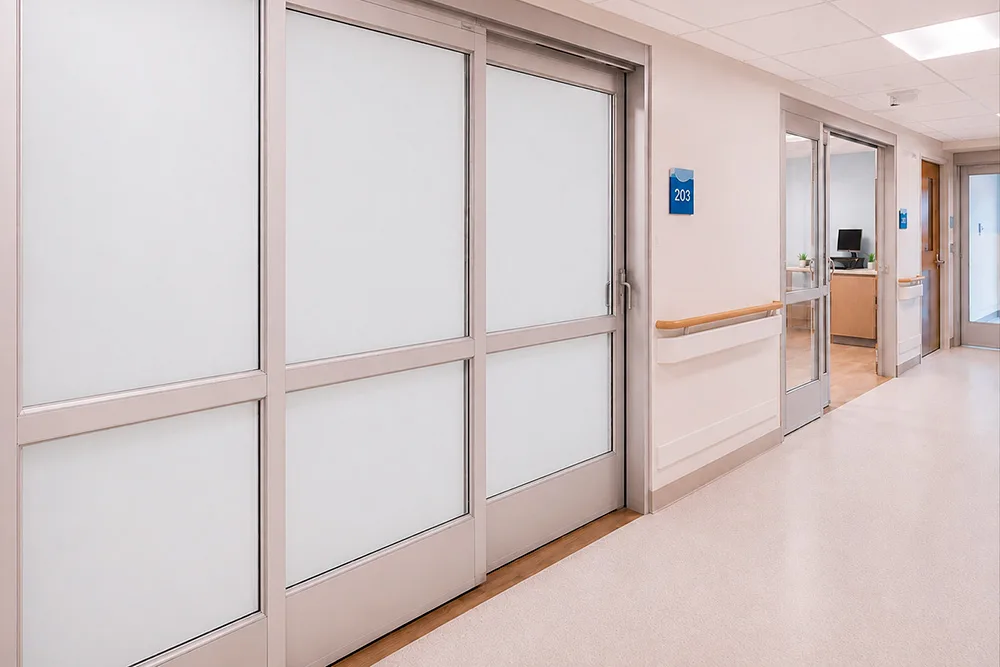
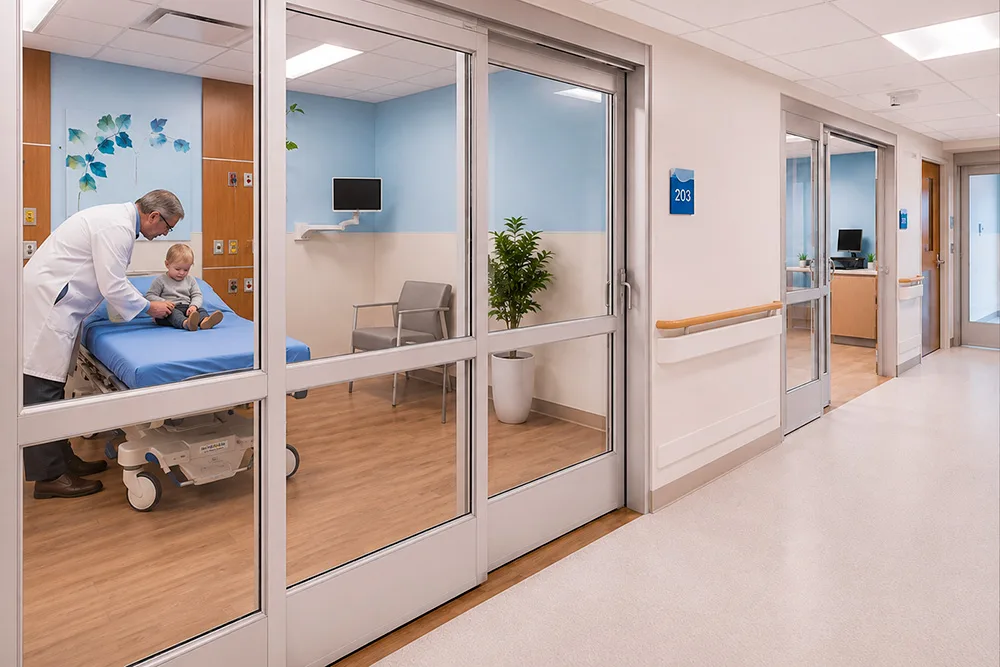

Extended treatments require patient dignity, staff access, and comfortable surroundings.
PriWatt creates adaptable environments that support both patient wellbeing and clinical efficiency.
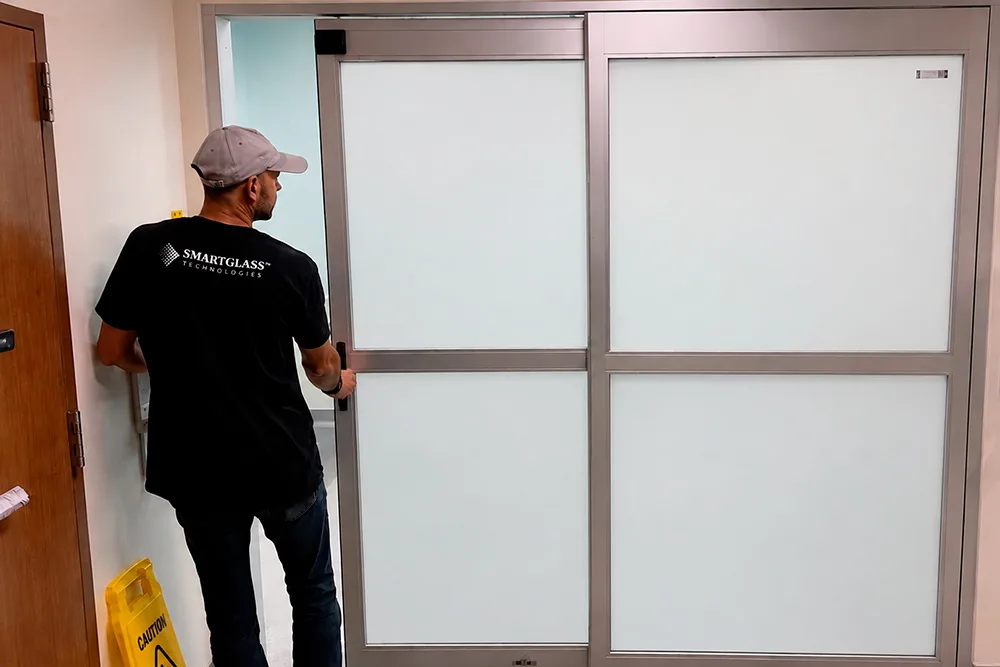
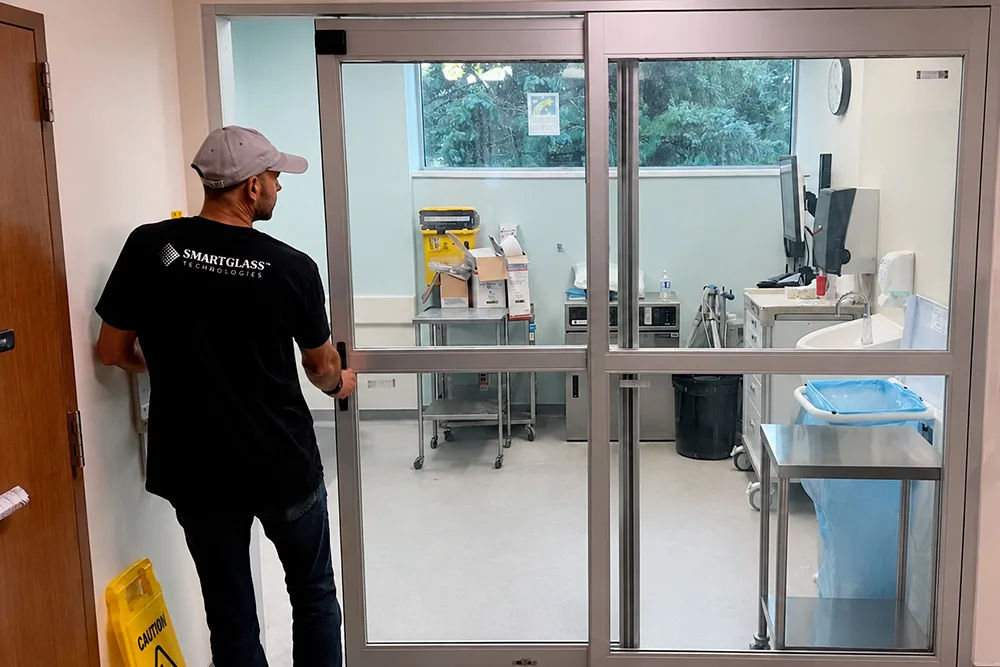
Trust begins with privacy.
Not every healthcare privacy challenge involves critical care.
Many require confidential environments that support communication and trust.
PriWatt creates professional spaces for sensitive discussions without making rooms feel enclosed or outdated.
Not all switchable glass technologies are the same.
PriWatt offers multiple solutions engineered for different workplace environments.
Best for
Best for
Best for
Every PriWatt system is designed for reliability, safety, and long-term performance.
Yes. PriWatt eliminates the need for traditional privacy curtains in many healthcare environments while supporting cleaning protocols and improving aesthetics.
Yes. PriWatt can integrate with nurse call systems, occupancy sensors, touch panels, and building automation platforms.
Yes. Self-adhesive switchable film allows many existing spaces to be retrofitted without replacing glass.
Yes. Systems are engineered for demanding commercial applications and frequent daily use.
PDLC: Standard clinical privacy applications; PNLC: Spaces requiring maximum transparency; Self-adhesive film: Retrofit and renovation projects;
PriWatt helps architects, healthcare designers, contractors, and medical facility owners create adaptive privacy environments without curtains, blinds, or outdated partitions.
Request technical specifications, project guidance, and application-specific recommendations from our team.
Self-adhesive, applied to glass already in the building. Frosted unpowered, clear at a switch.
Laminated switchable glass for new work and replacement, with the wiring designed into the edge.
Laminated reverse-mode glass, clear unpowered, in white, grey or bronze.
Film onto existing observation walls: privacy without curtains, and no area closed for works.
An MRI control window, and a plain account of what a switchable panel does not do acoustically.
An observation window converted in place, with the wiring concealed in the existing frame.
Half-inch laminated low-iron PDLC glass specified for an ICU privacy application.
Exterior clinical windows, retrofitted without disturbing an approved impact assembly.
What changes when the patient is a child and the room always holds one more person.
Clinical privacy in a room that is designed not to feel clinical.
Cleanroom viewing panels: supervision from outside, and confidential work screened.
Switchable leaves, hardware cut-outs, and how the power crosses a joint that moves.
The curve is in the glass and the switchable layer follows it. Made to the geometry.