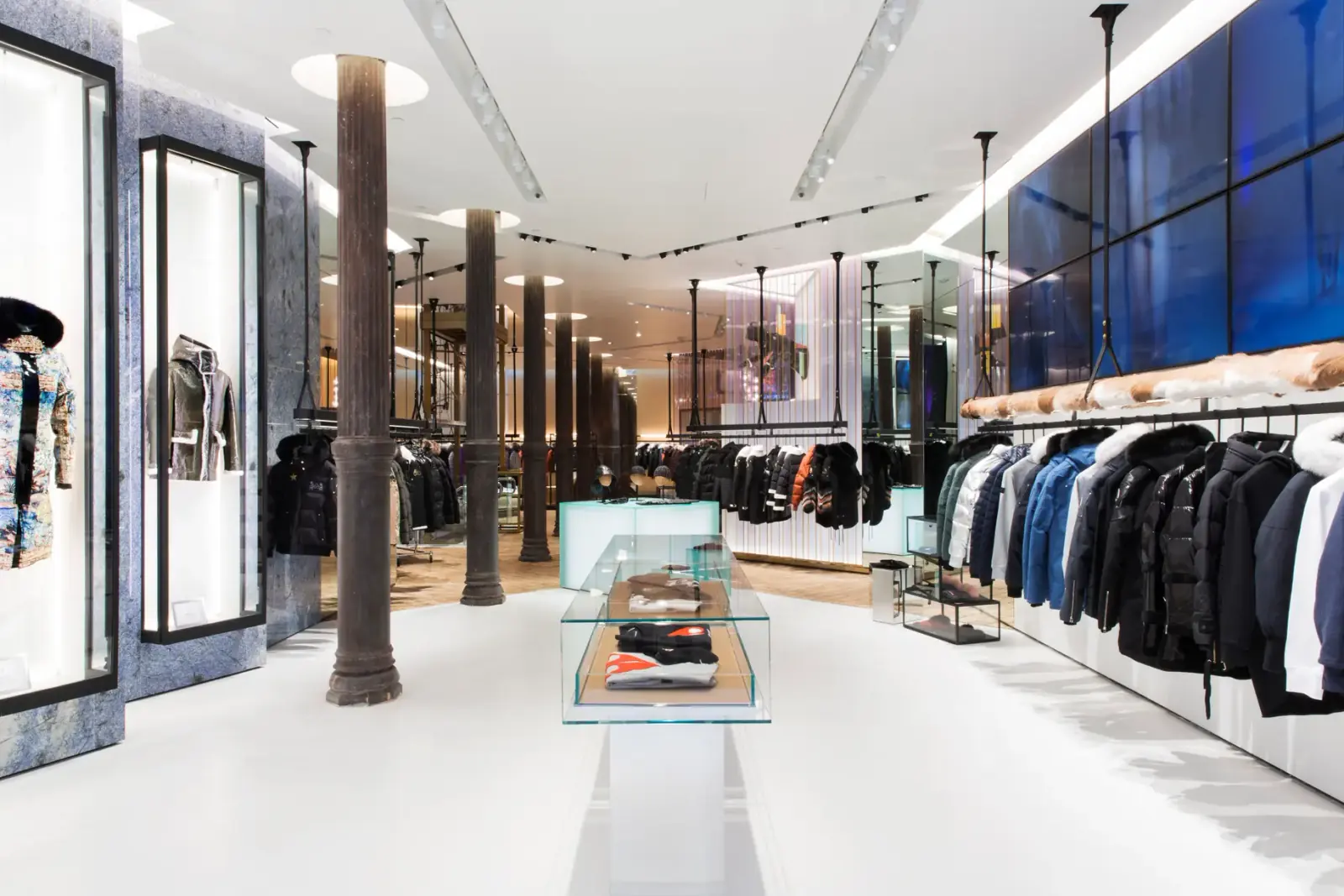
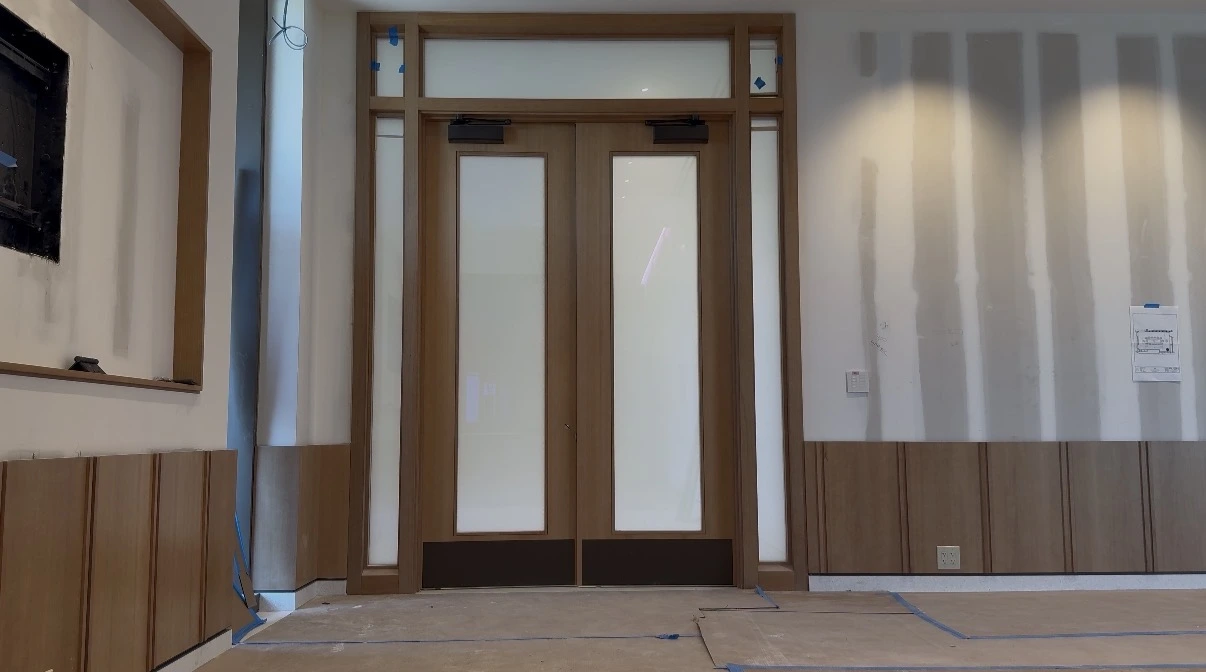

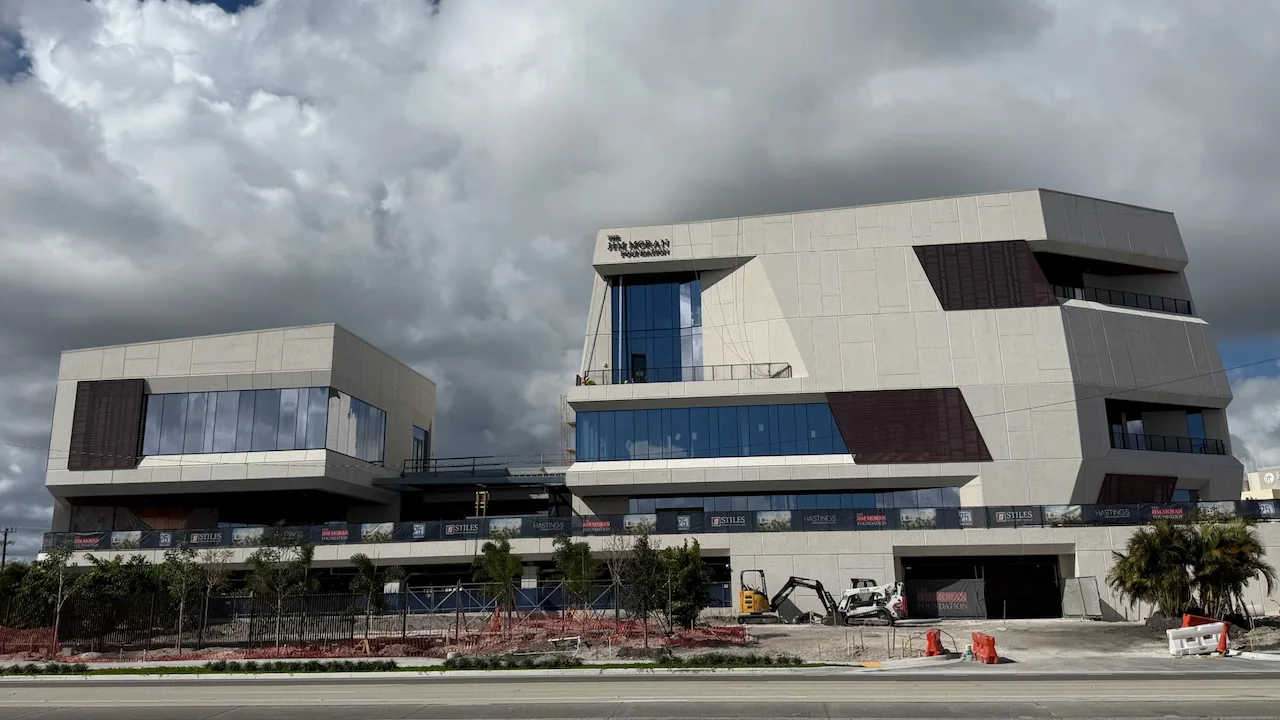
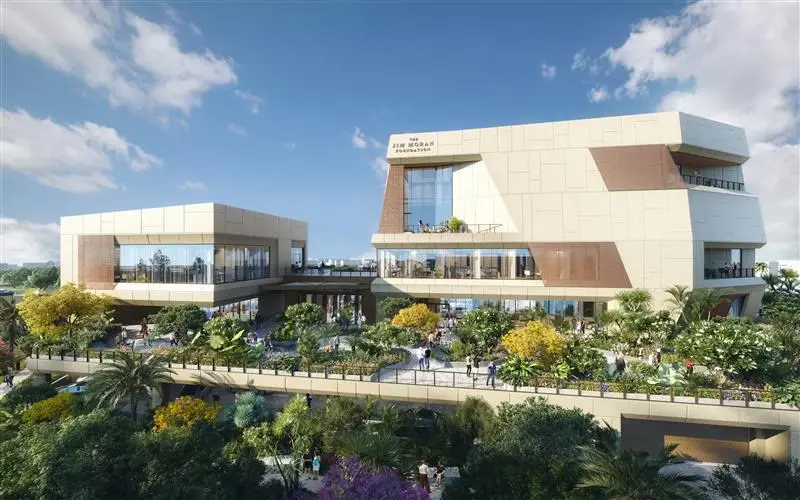
The Jim Moran Foundation’s new headquarters was detailed to be open: sightlines through the floor, daylight into the offices, joinery you are meant to look at. Privacy had to be available in it without becoming its normal state.
Conventional switchable glass is frosted until you power it, and it needs current the whole time it is transparent. In an office that is transparent most of the working day, that is the wrong default in two ways at once: the room draws power to look normal, and it looks abnormal the moment anything interrupts the supply.
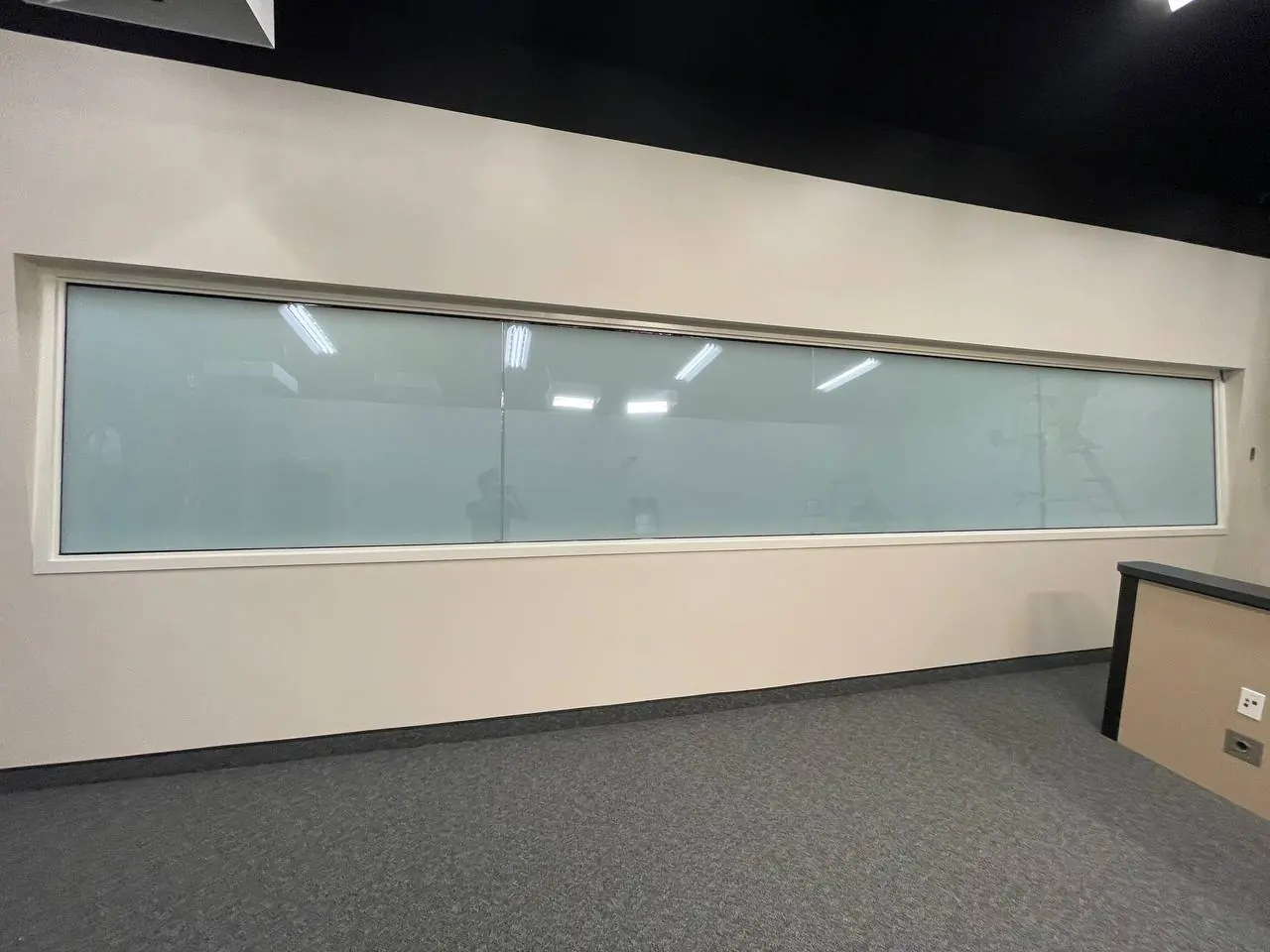
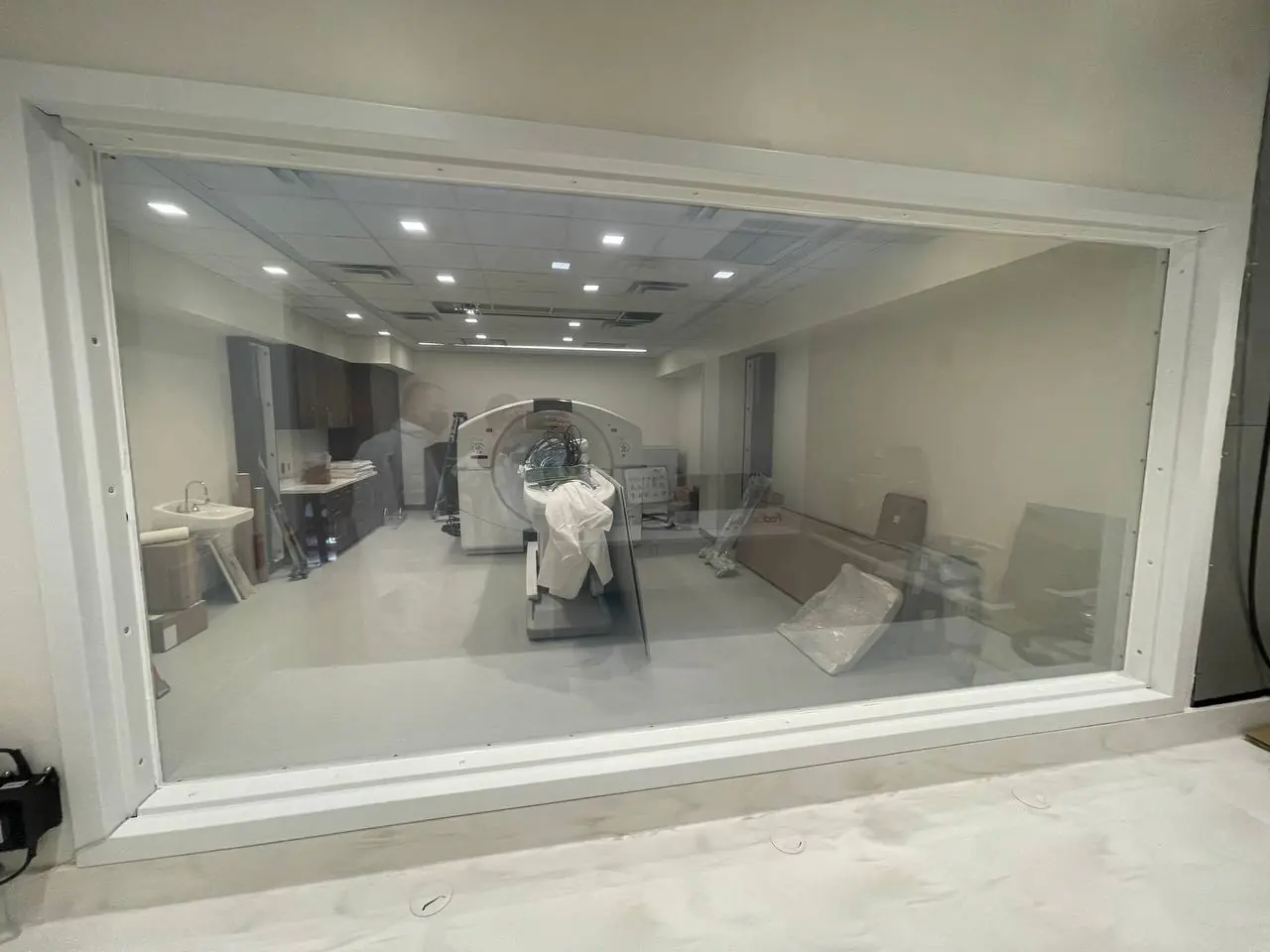
PriWatt reverse glass turns it around. Unpowered, it is optically clear, the state the building spends its day in. Current is applied only when someone wants privacy, and the panel frosts evenly at the press of a button.
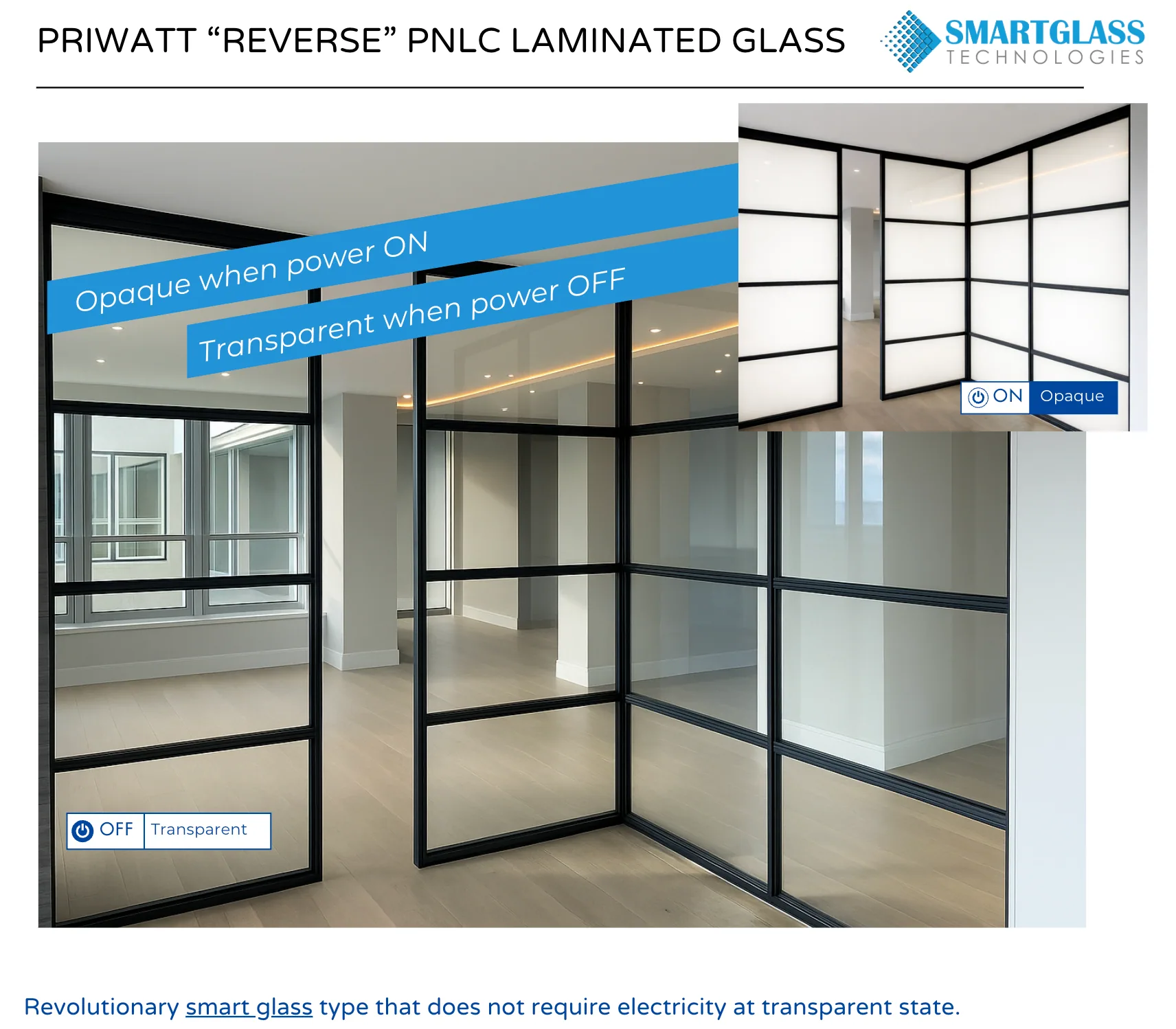
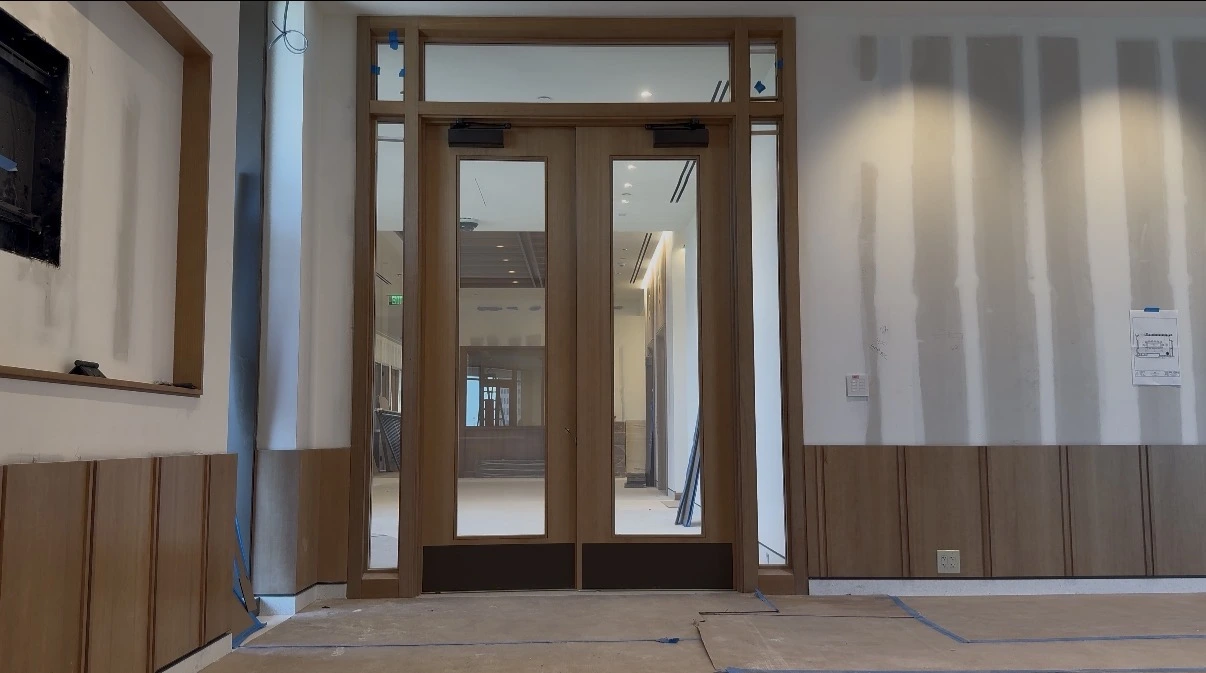
The system was installed by Smart Glass Technologies, PriWatt’s US distributor. The architectural woodwork is by Beaubois Millwork, with the scope coordinated by Benjamin Taylor. That matters more than a credit line here: switchable glass meeting bespoke joinery is where the tolerances and the wiring have to be agreed before either is made.
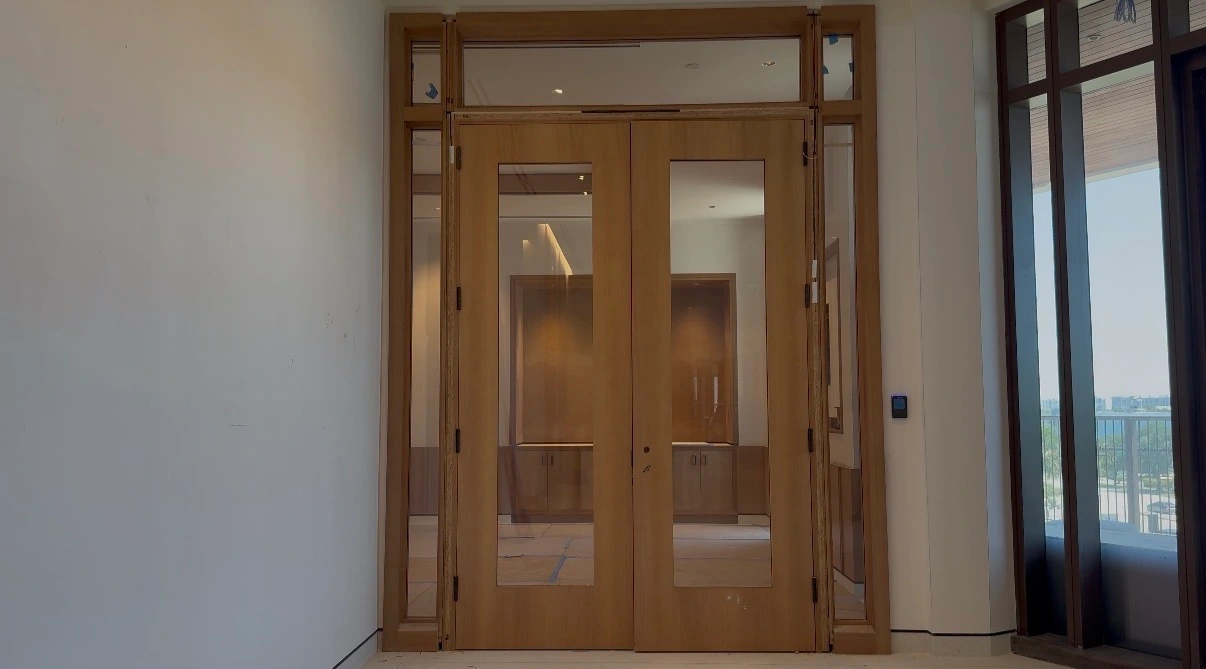
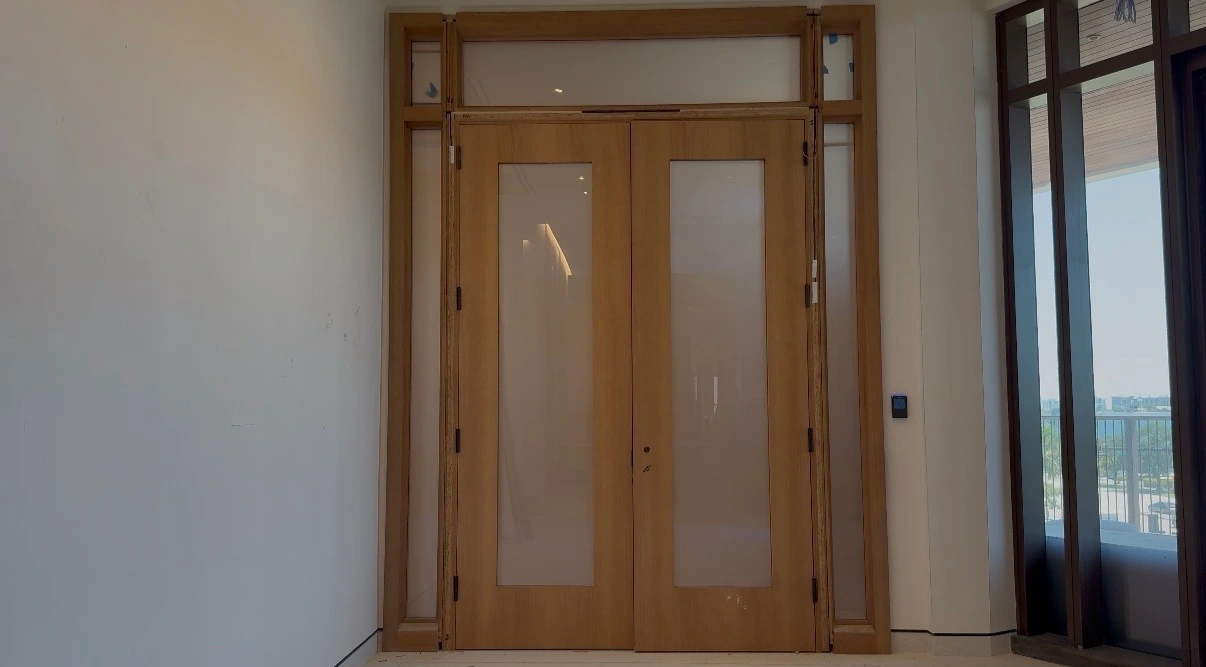
Reverse glass can be produced in bronze or grey as well as the usual white. Against timber, brass and darker interior palettes that reads as part of the material scheme and not as a white rectangle switched into it. That is the difference between glass that was specified and glass that was added.
Clear unpowered, private when switched, in white, bronze or grey.
Executive offices, meeting rooms and the doors between them.
The low-voltage supply behind a run of switchable glass.
Send the door or partition schedule and the finishes it has to sit with. PriWatt reverse glass is made in Pompano Beach, Florida, and quoted per project.