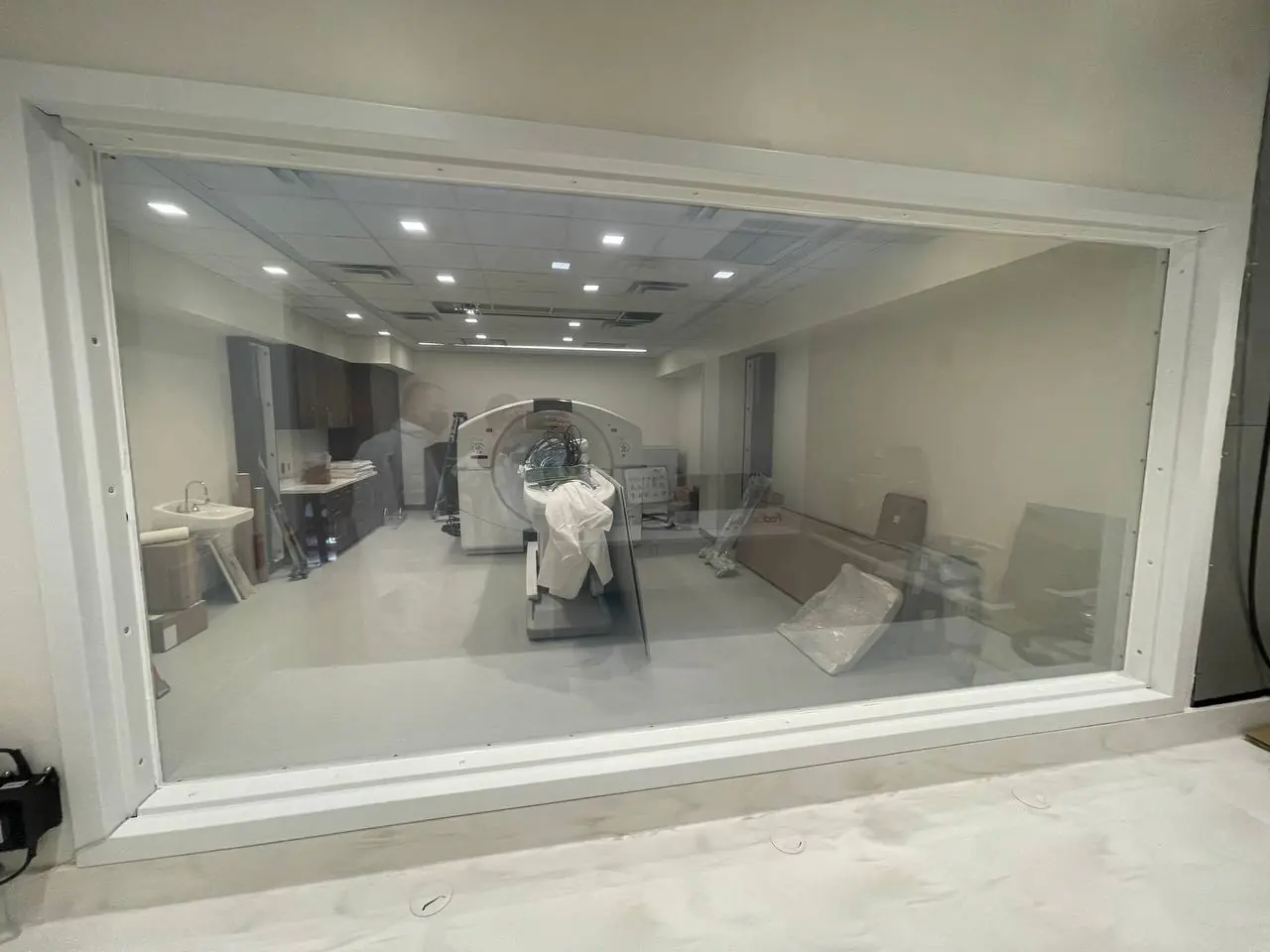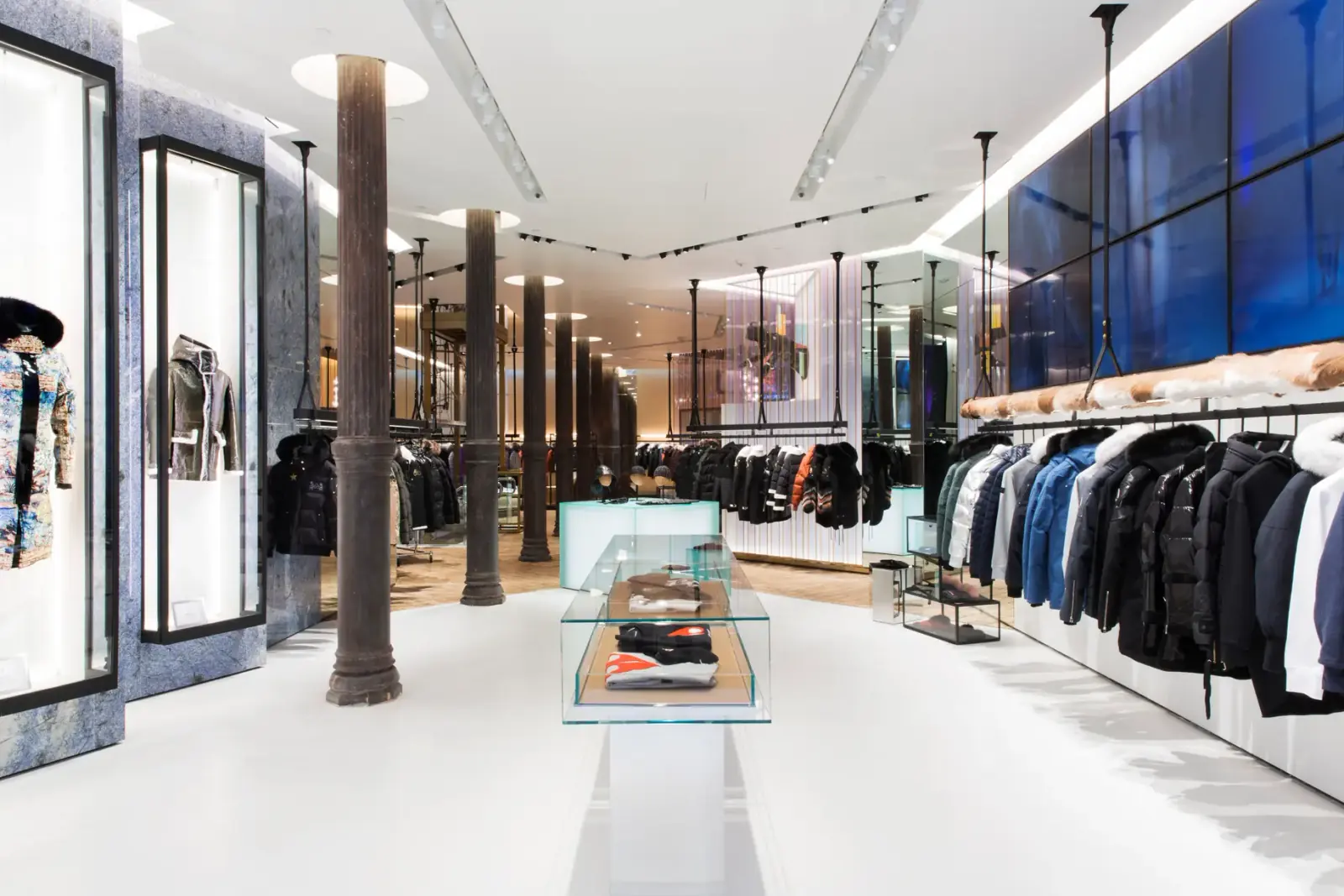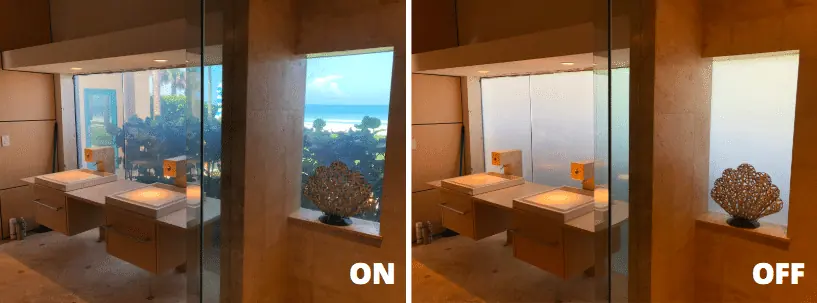
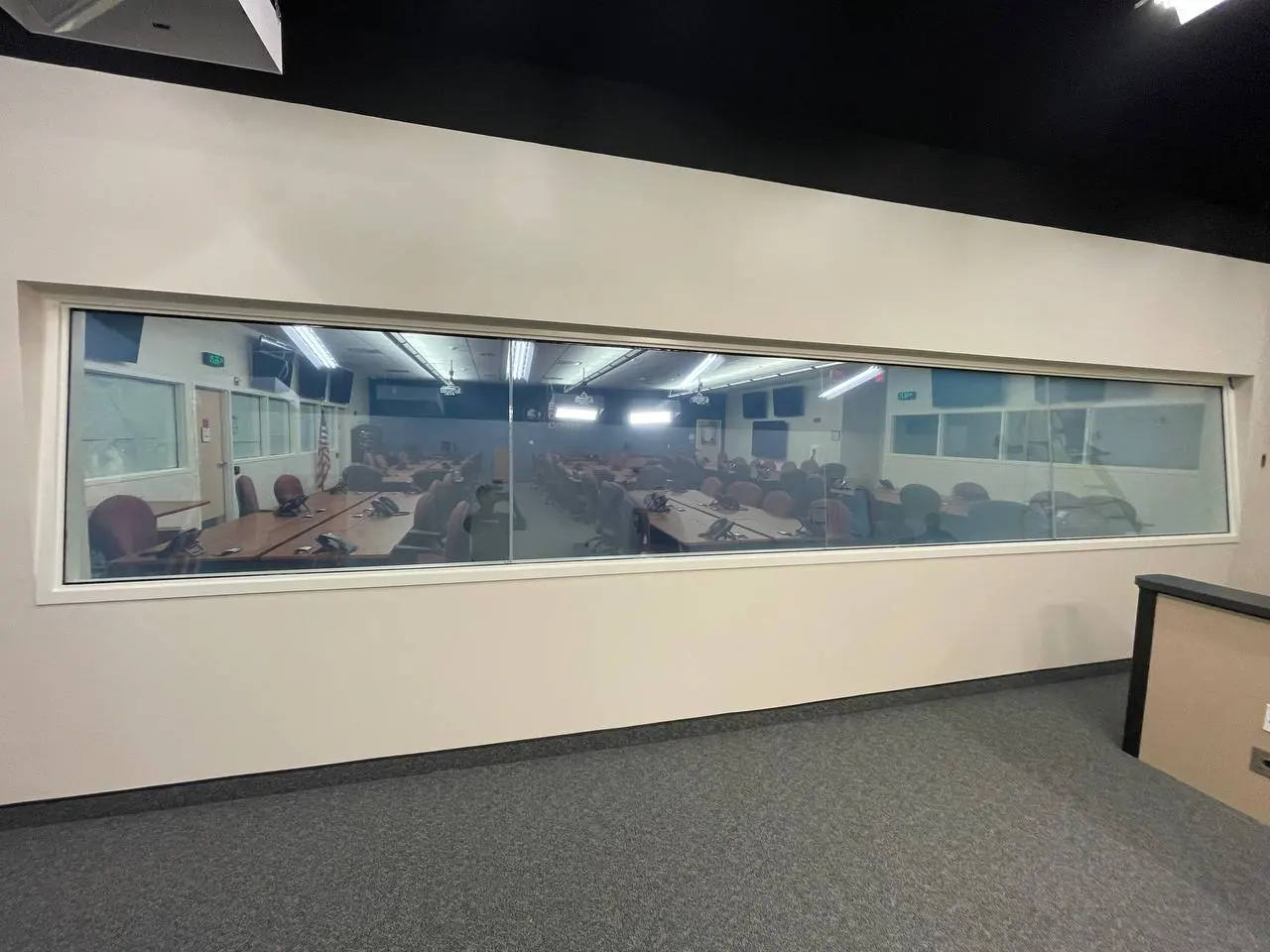
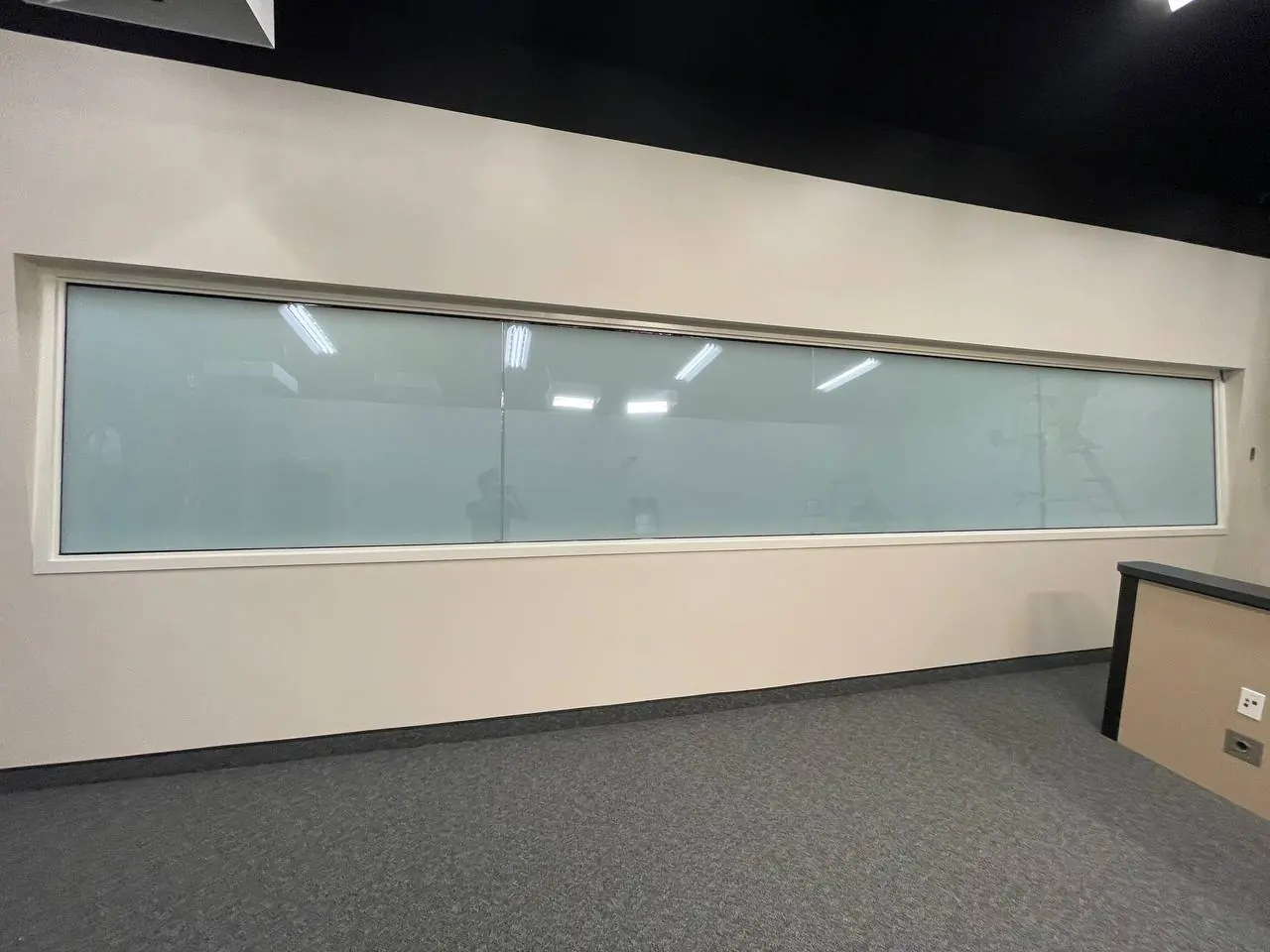
PriWatt film in a Martin County government building
A building designed to be open, with rooms that cannot be
Civic buildings are unusual in that their openness is not a design preference. Public business is conducted in public, meetings are noticed and attended, and the architecture of the last forty years says so in glass.
Inside that same building are rooms where the opposite obligation applies: personnel matters, procurement under evaluation, legal advice, residents’ records. Martin County used PriWatt switchable film to let particular rooms change between the two.
Why the flexible answer is the right one in a civic building
The alternatives are both permanent, and permanence is what makes them wrong here. A solid wall or an applied frost band removes the sightline for every hour of every year to solve a requirement that applies for a few of them. And in a public building, a room that is permanently screened is a room that invites the question of what happens in it.
- The default is transparent: what the building is for, and what the public expects to see
- A room closes for the item that requires it and reopens afterwards, instead of being closed by construction
- Rooms can be reassigned as departments move, which in a county building happens more often than the glazing is replaced
- Nothing is added: no blinds to maintain across an estate, and nothing to be seen hanging in a lobby
The third is the practical one. Civic space gets rearranged constantly, and glazing specified for the room’s current use is glazing that will be wrong within a few years. Something applied to the pane follows the reorganisation.
What a public body should check before specifying it
| Question | Why it matters here specifically |
|---|---|
| Which state does it hold with no power? | In a public building the answer is almost always clear; glazing that goes opaque in an outage removes visibility from a building whose openness is the point |
| Who can switch each room? | A room that anybody can obscure is a different governance question from one only the occupant controls. Decide it, and record it |
| Does the location require safety glazing? | Decided by the pane. Film over it changes nothing in either direction; see safety glazing and code |
| Is it being counted as a security control? | It should not be. It removes line of sight; it resists nothing and it is not tested to any attack standard |
| Is procurement asking for a certification? | PriWatt publishes UL Recognized Components and SGCC, with documents. Anything else quoted at you should come with a number |
The fourth row is the one worth reading twice, because public-sector specifications often inherit language from a security brief. Obscuring a window is a privacy measure. The distinction, and the standards a genuine security product would be tested to, are on safety glazing and code.

Manufactured in the USA, which a public body usually has to ask about
Government procurement frequently carries domestic-content conditions: Buy American, the Trade Agreements Act, or Build America Buy America on federally assisted work. They do not all ask the same question.
PriWatt laminates, assembles and tests in Pompano Beach, Florida, from a bill of materials that is partly imported, the ordinary position for this industry. Made in the USA sets out what is made where, what each of those programmes actually requires, and what PriWatt does and does not assert about compliance. The honest answer to a procurement question is a document, not an adjective.
Specified on this project
PriWatt PDLC switchable film
Self-adhesive film applied to glass already in the building. Private unpowered, clear when switched.
Government facilities
Where the requirement is control over what is visible, and when.
Office partitions
How a glazed run is built: where the joints fall, and how one transformer serves a wall.
A project like this one
A civic building, a public agency, or any estate that has to look open and hold rooms that are not. The glass and the film are made in Pompano Beach, Florida, and nothing here is priced off a rate card. Send dimensions, or a photograph with the sizes written on it, and the quote comes back against your panels. If you are not that far along, book the call.