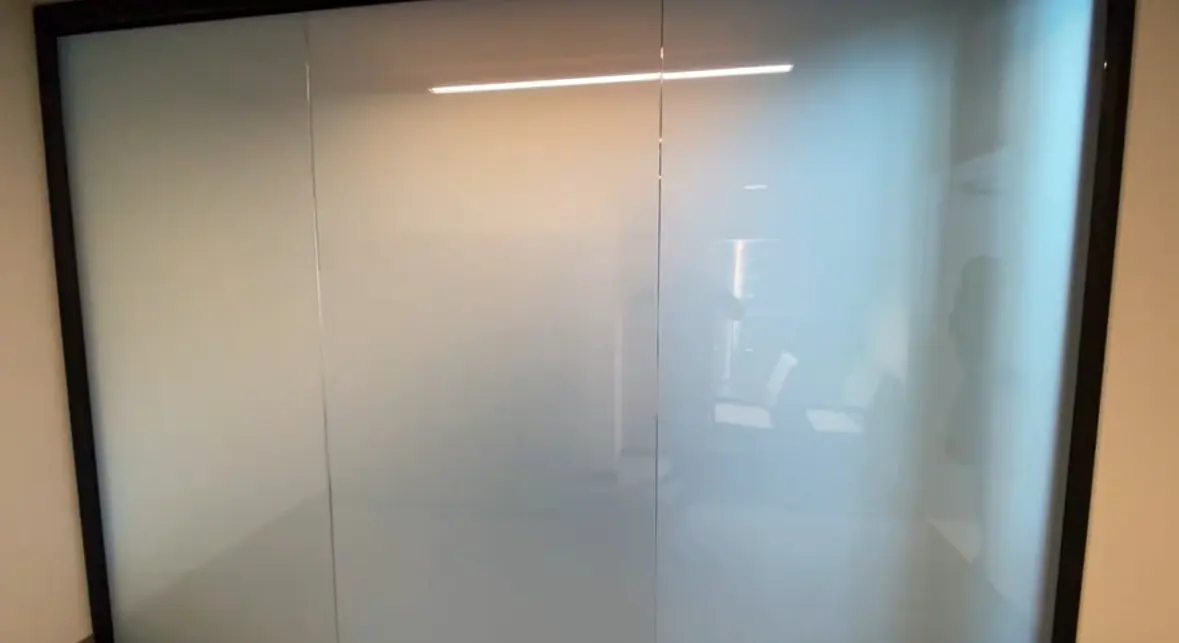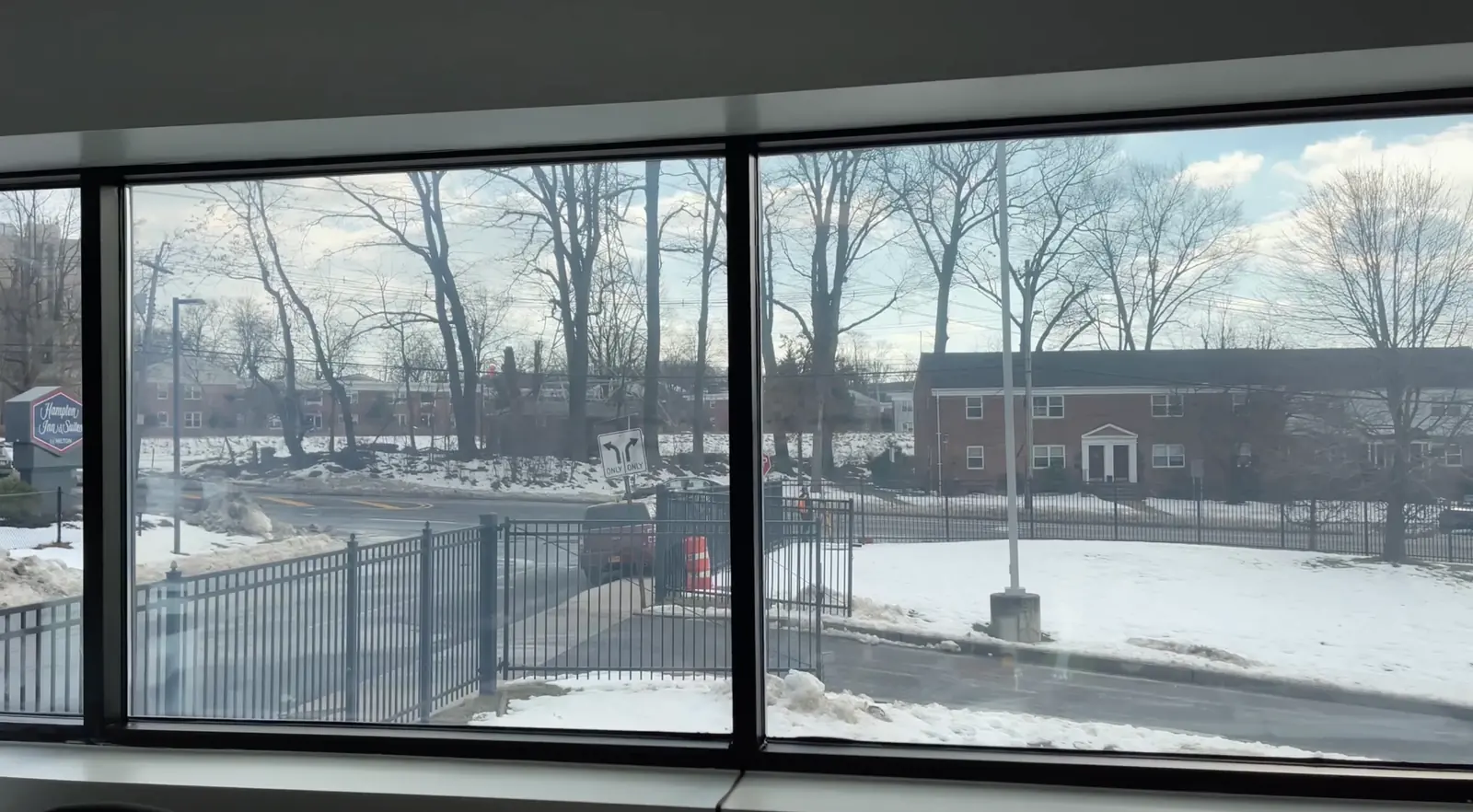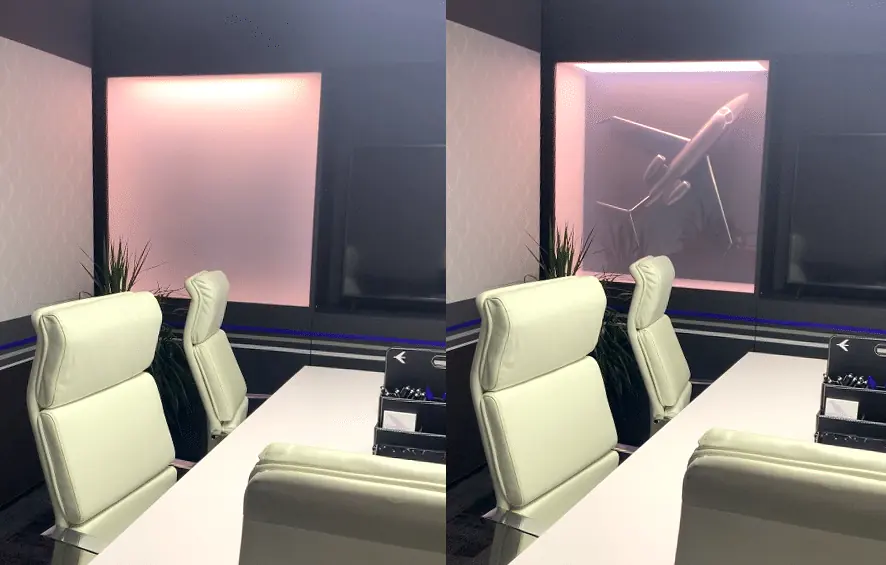

PriWatt switchable glass in the offices at Astronics Test Systems
A floor where what is on the screen decides who may see it
Astronics Test Systems builds test equipment for aerospace, defence, mass transit and space programmes. That puts an ordinary-looking office under a requirement most offices do not have: at particular moments, in particular rooms, what is on a bench or a monitor is not for everyone who happens to walk past.
The rest of the time the floor is meant to be open, glazed and collaborative. That is why the answer was PriWatt switchable glass and not a wall.
The control question, the interesting one here
On this project the glass was tied into the building’s existing automation system instead of left on local switches alone. That is worth pausing on, because on a controlled-access floor the question is rarely "can it be switched" and almost always "by whom, from where, and can it be made to happen without relying on somebody remembering".
| Control | What it suits |
|---|---|
| Wall switch | A room with one door and one occupant decidingthe default, and enough for most spaces |
| Touch panel | A room with several zones, where the states are not one on-off |
| Handheld remote | Whoever is chairing, not whoever is nearest the wall |
| Mobile app | Facilities, and anyone who needs to change a room they are not standing in |
| Building automation | A schedule, a scene or an eventrooms that close on a condition, not on a decision |
The last row is the one that matters on a secure floor, because it is the only option that does not depend on a person. All five are supported on every PriWatt panel. The panel takes a low-voltage supply from a transformer, and what interrupts that supply is the open question. Deciding it early is what keeps it cheap.
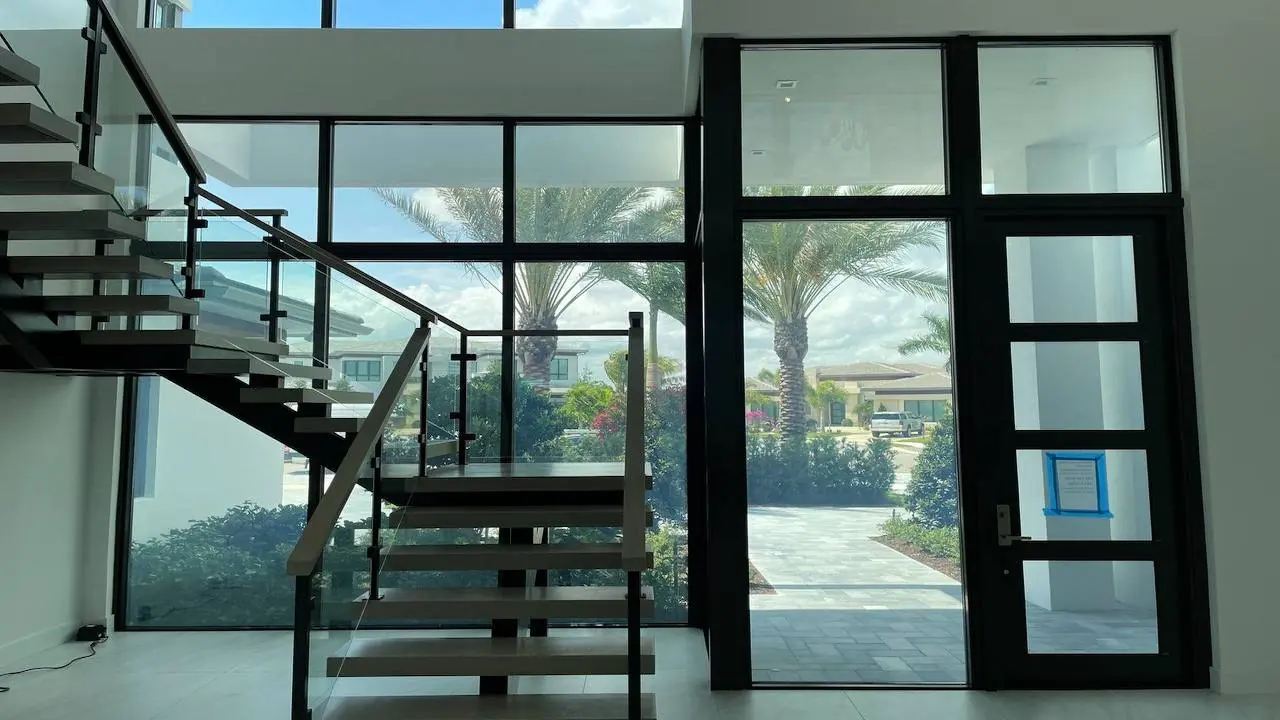
Why not blinds, on a floor like this
- A blind is operated by hand, so it is operated by whoever is in the room and forgotten by whoever is not
- It cannot be put on a schedule or driven by an access event
- Down, it removes the daylight the floor was glazed for; up, it does nothing
- It is a fabric assembly in a building that is otherwise specified to a high standard, and it will be the oldest thing in the room within five years
None of which is an argument about appearance. It is that a manual device is a control that fails silently. Nobody notices a blind that was not closed until after the meeting that needed it.

What was not claimed on this project
The version of this case study published elsewhere lists energy efficiency among the benefits: less artificial lighting, less load on the climate system. Nothing was measured here and so nothing is claimed here. This went onto interior glazing, where the panel is not doing solar work at all.
Where solar gain genuinely is the requirement, the product is different: DLC dynamic shading switches between a tinted transparent state and a deep dark one and is specified for facades, with the measured transmission figures published in the technical reference.
Specified on this project
PriWatt PDLC switchable glass
The switchable layer laminated inside the panel, made to the opening. Private unpowered.
Offices and boardrooms
Partitions, meeting rooms and executive offices — the application this belongs to.
Office partitions
How a glazed run is built: where the joints fall, and how one transformer serves a wall.
A project like this one
A controlled-access floor, a test or lab area, or any room whose privacy has to be driven by a system and not by a person. PriWatt manufactures in Pompano Beach, Florida. Every quote is worked from the project’s own drawings, so send dimensions. A photograph with the sizes written on it does the same job. Earlier than that, book the call.