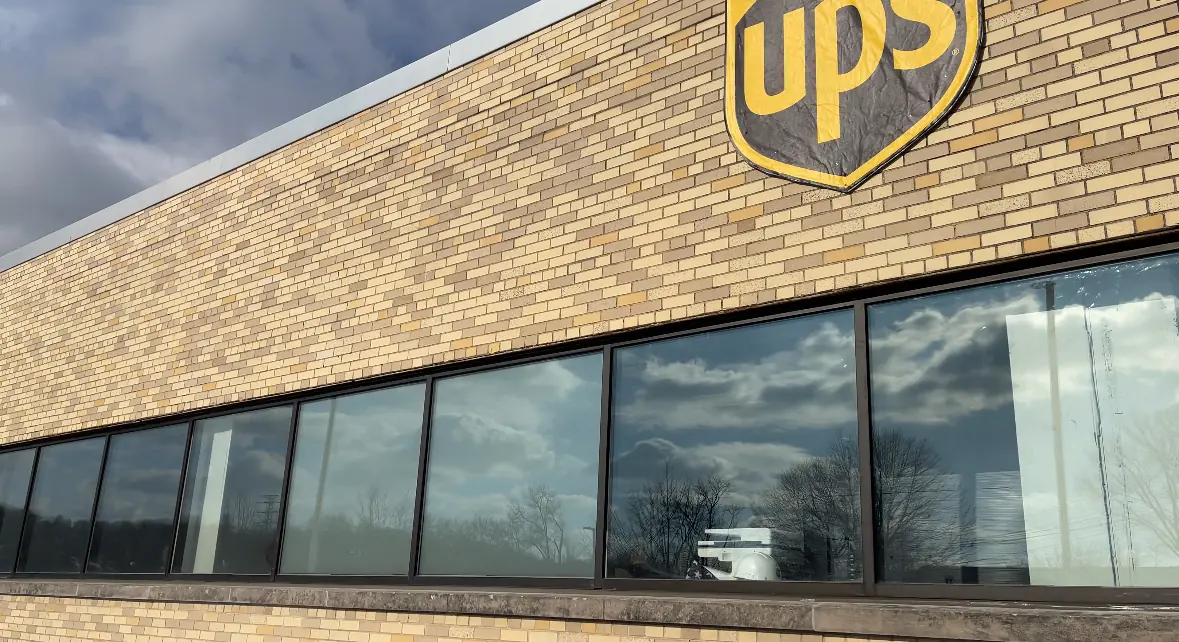
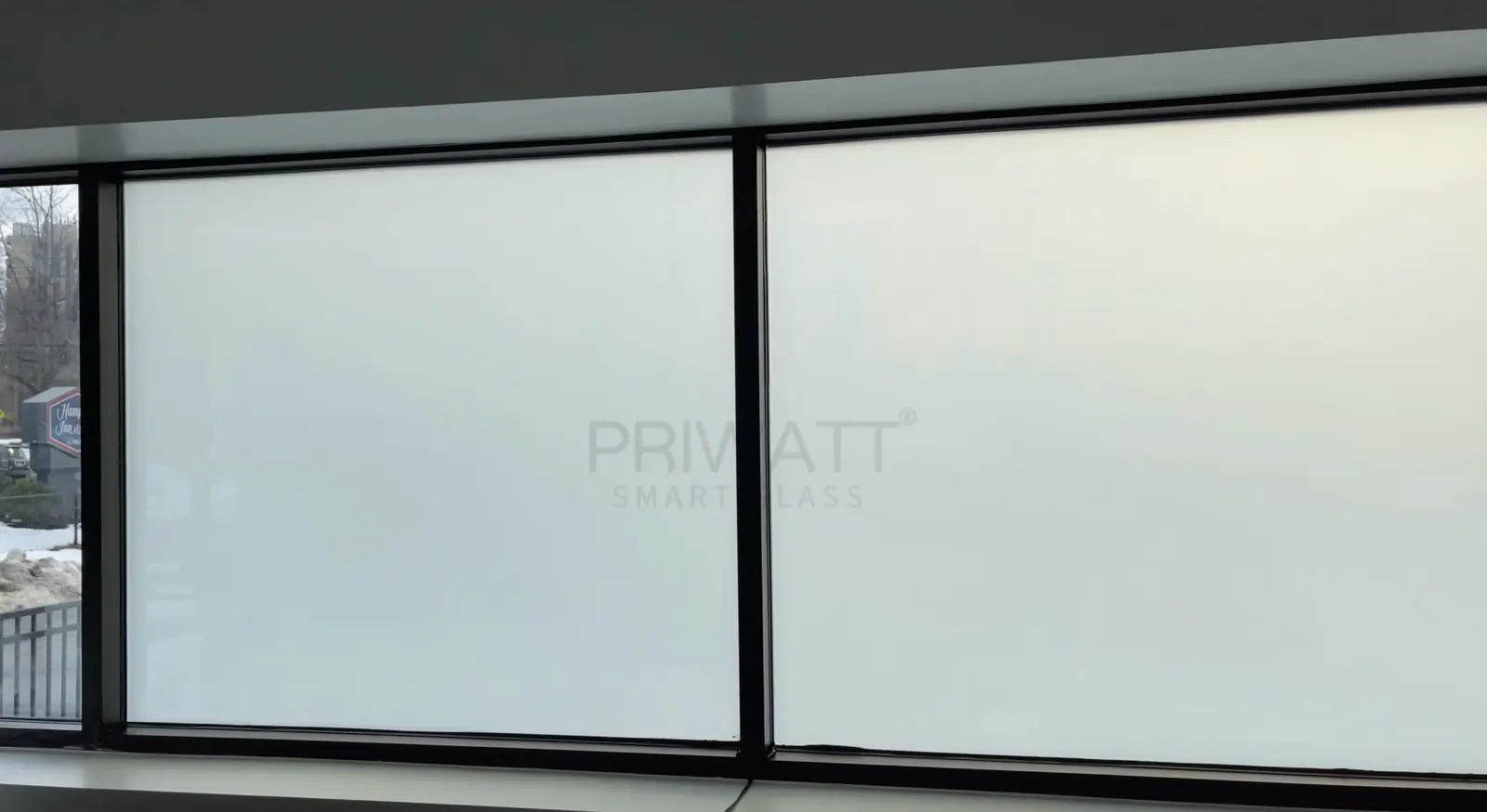
PriWatt film on the street-facing windows of a UPS office in New York
The floor everybody can see into
A ground floor is the one storey a glazed building cannot solve with height. Upper floors are private because nobody is level with them; the lower level is at eye height to the pavement, and in New York the pavement is busy.
The UPS office had exactly that: lower-level windows that were legible from outside, in a workspace glazed on purpose because daylight is the reason anybody glazes a floor. PriWatt PDLC film went onto the windows already in the frames.
Why not blinds, on this floor in particular
Blinds answer the privacy question by answering the daylight question as well, and on a ground floor that is the whole of what the glazing was for. Closed, the floor is lit artificially all day and the street elevation reads as a shuttered unit. Open, nothing has changed. The setting that is actually wanted — private but not dark — is the one a slat system is worst at.
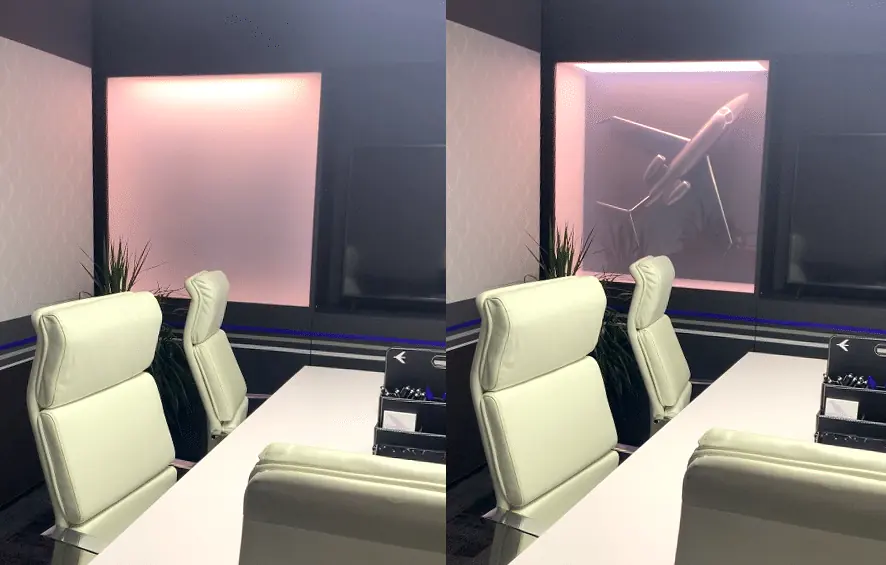
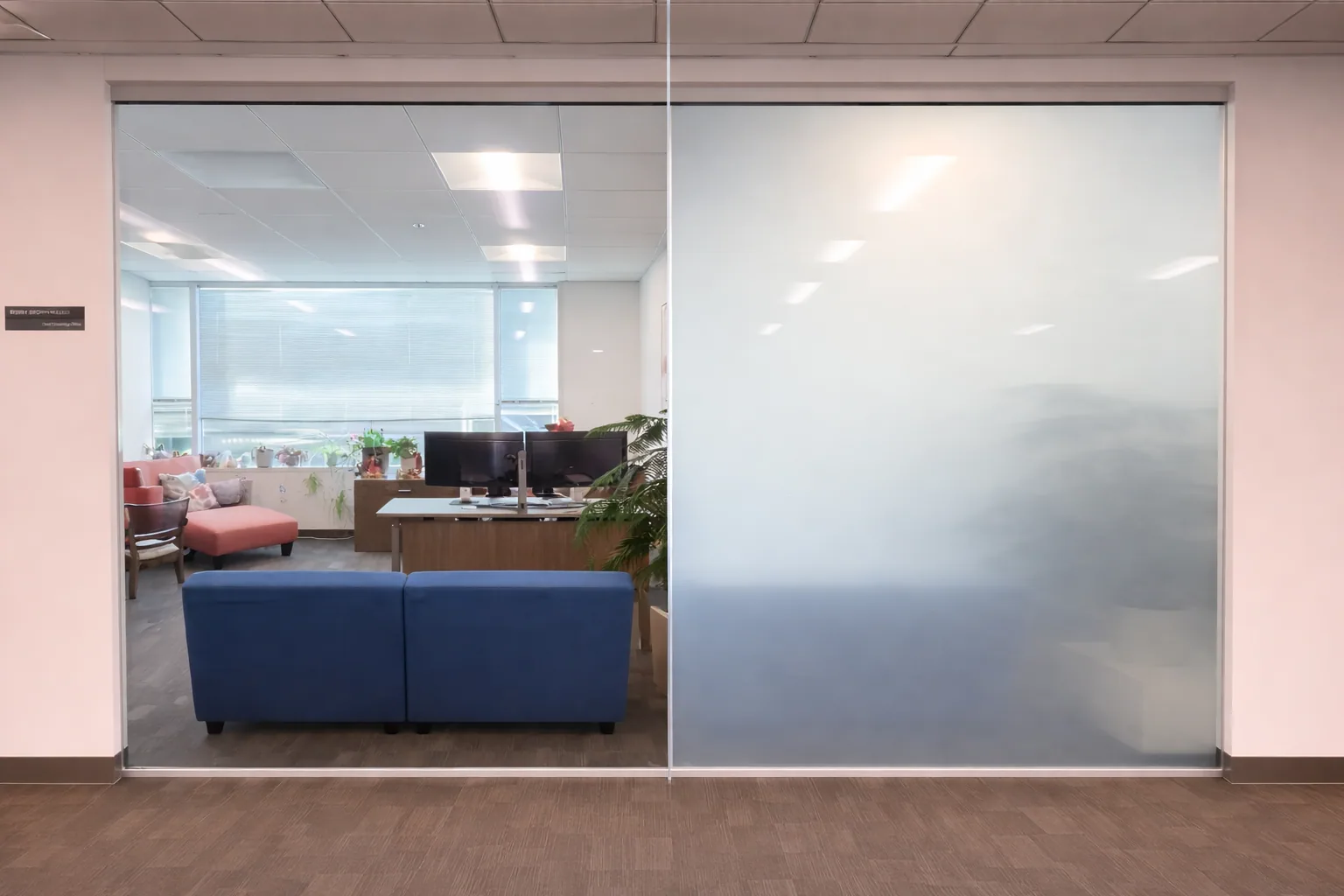
- Daylight is kept in the private state: the panel scatters light rather than stopping it
- The elevation stays glazed rather than becoming a row of closed blinds at street level
- Nothing hangs in the reveal, which matters where the sill is a working surface
- One switch changes the whole run, instead of a person walking the floor pulling cords
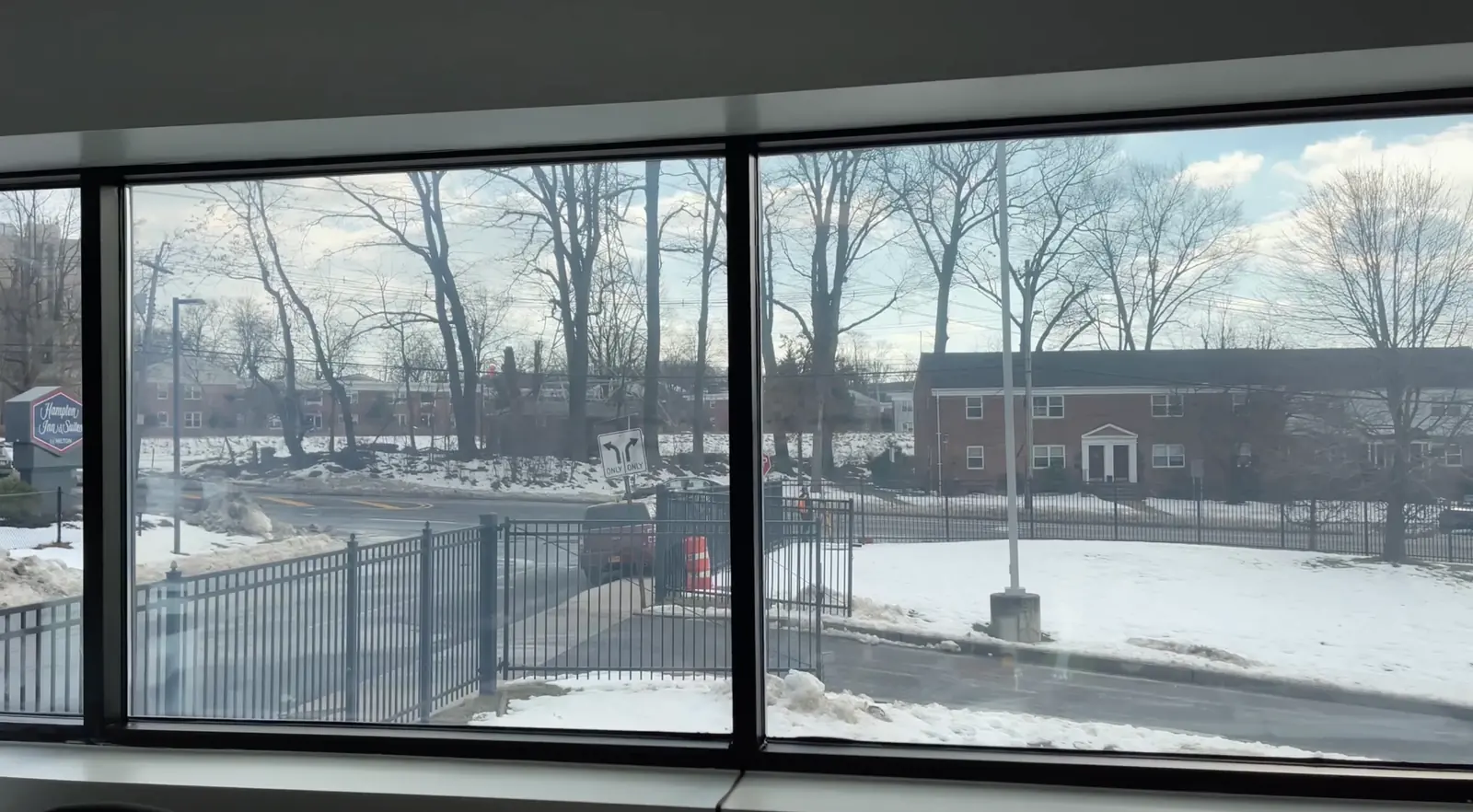
Film, because the windows were already in
Nothing about this project was new construction. The glazing was in the building and staying, so the switchable layer arrived as self-adhesive film applied to the inboard face of the existing panes and wired to a low-voltage supply. That is the whole difference between the two ways PriWatt supplies the same technology: laminated glass is made for an opening that does not exist yet, and film is for the opening that does.
No re-glazing
The panes stay. Nothing is ordered from a glazier, nothing is craned, and the building envelope is not opened.
The floor stays in use
Film is applied a window at a time. There is no phase during which the office is a construction site.
Reversible
It is applied to the glass, not built into it, which is the argument in a leased floor where a permanent change is somebody else’s decision.
What is worth checking on a street-level retrofit
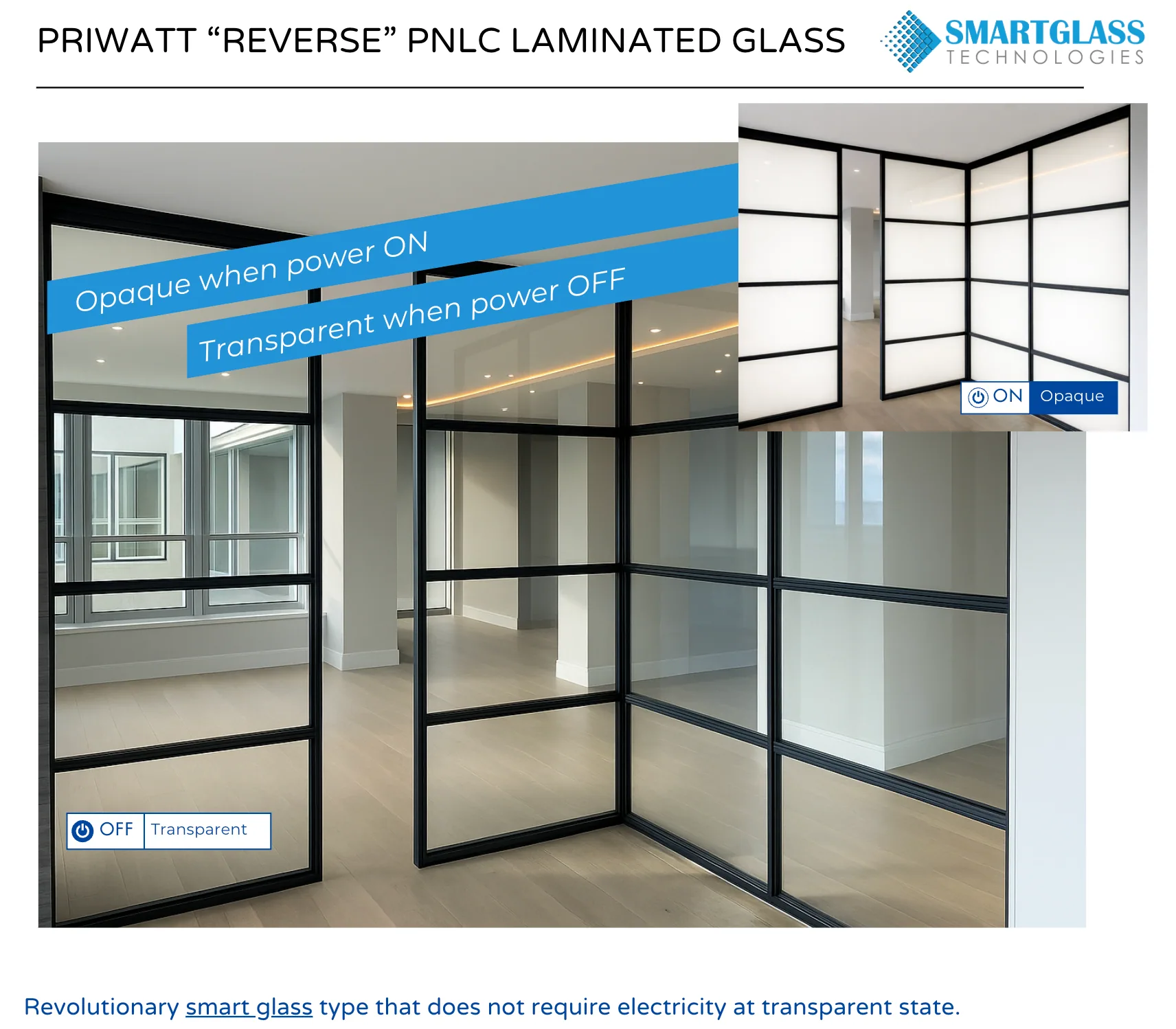
- Which state the windows should hold with no power — a street elevation is usually wanted private out of hours, which is normal mode
- Where the wiring can leave each pane, since a shopfront frame often has no route a partition would have
- Whether the glazing is laminated or toughened already, because film does not change what the pane is rated as
- How the run is switched: one circuit for the elevation, or bays that close independently
The third of those is the one most often missed. Applying film to a pane does not make that pane safety glazing. The rating belongs to the glass underneath it, and where code requires a safety-rated pane it still does. Safety glazing and code makes that distinction in full.
Specified on this project
PriWatt PDLC switchable film
Self-adhesive film applied to glass already in the building. Private unpowered, clear when switched.
Switchable windows
Exterior glazing, where solar gain matters as much as privacy.
Offices and boardrooms
Partitions, meeting rooms and executive offices — the application this belongs to.
A project like this one
A ground floor, a shopfront or any glazed elevation that is overlooked at eye height. PriWatt makes the glass and the film in Pompano Beach, Florida, and quotes every project off its own drawings. Send dimensions, or a photograph with the sizes written on it. No drawings yet? Take the call instead.