No SGCC Certification? You’re Taking a Risk
Two panels of smart glass look identical on a sample table. Clear, then opaque, clean edges, modern. Nothing about the sample tells you what happens the day one of them is hit by a chair.
A large share of the smart glass and film sold today is not certified for safety glazing at all. It is specified, installed and used in real buildings without ever having met the standards written for what glass does when it breaks.
The question nobody asks
A buyer comparing quotes looks at price, at the switching effect, at lead time and at how it looks. All four are visible on a sample. The one that is not visible, and the one that decides who is liable later, is whether the glass is certified, and specifically whether it is SGCC certified.
What SGCC certification actually is
The Safety Glazing Certification Council is a third party. It is not a claim a manufacturer makes about itself, and it is not a phrase on a datasheet. To hold it, a manufacturer has to:
- Submit products to SGCC-approved independent laboratories
- Pass real impact and breakage testing, not a description of it
- Demonstrate that the glass reduces injury risk when it does break
- Keep complying: the certification is maintained, not awarded once
The testing follows the standards North America actually builds to: ANSI Z97.1, CPSC 16 CFR 1201 and CAN/CGSB 12.1. These are the benchmarks that decide whether glass may be used in an architectural application at all.
What is being risked
Glass rarely fails. The whole subject is about the day it does. Without certification, four things are unknown at exactly the moment they matter:
- Whether the panel breaks into sharp shards or holds together
- Whether the laminated layers do what lamination is for
- What impact the assembly can actually take
- Who carries the liability, which lands on the installer, the contractor and the owner
Certification costs money, requires controlled manufacturing and tends to expose a weak product. So some suppliers skip it and talk instead about high-quality materials, advanced technology and years of experience. None of those is a test result.
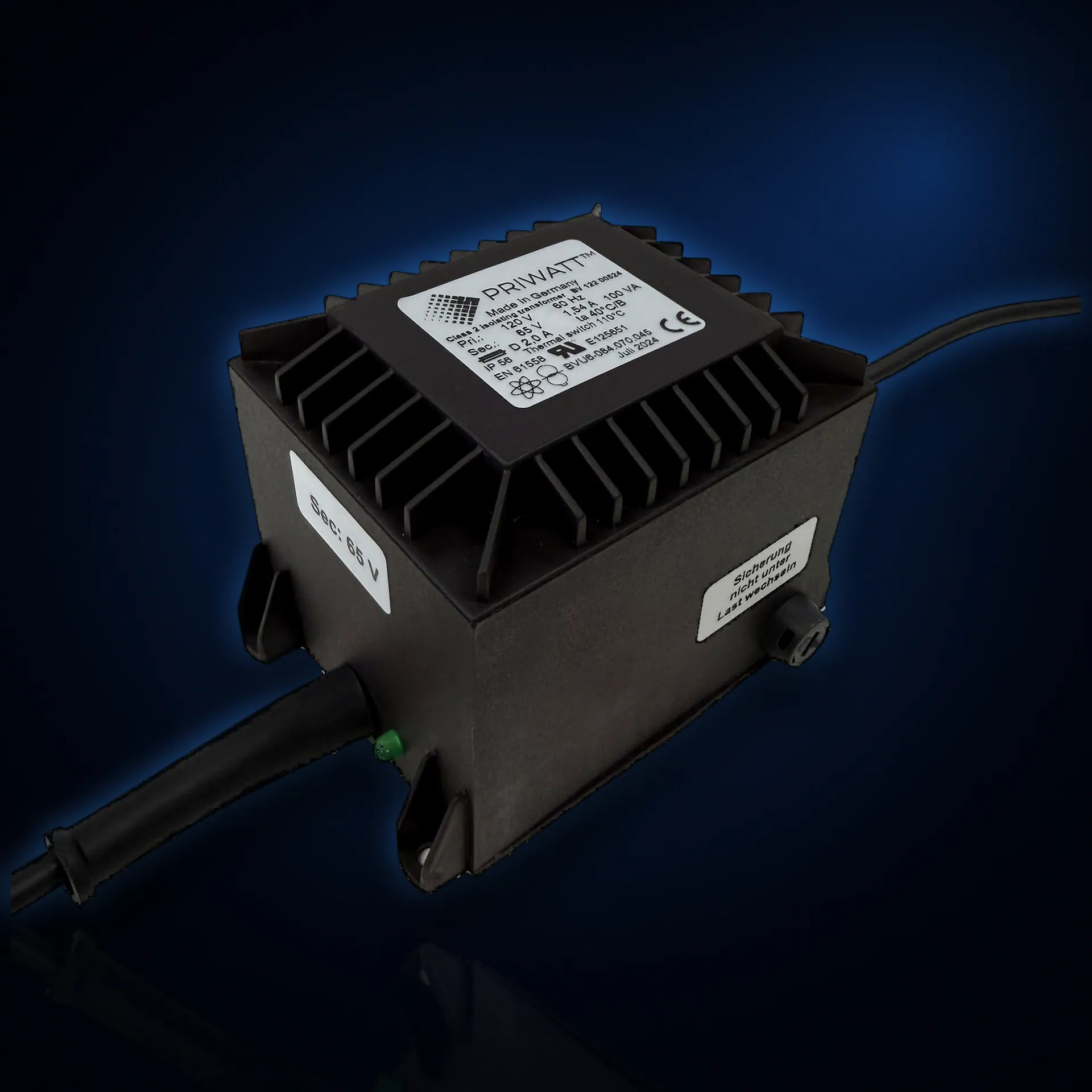
Got one in front of you? Send the location and what the code asks there. What comes back is a quotation: panel schedule, transformer, lead time. No square-foot figure, because there is not an honest one. Earlier than that, twenty minutes with a project specialist is the place to start.
Who it protects
- Architects and engineers: the specified material meets the standard it was specified against
- Contractors and installers, who carry less exposure during the job and after it
- Building owners, spared compliance problems arriving years later
- Occupants, who never ask about SGCC and depend on it entirely
Smart glass raises the stakes
Ordinary glazing is one material. A switchable panel is a laminated assembly with a liquid crystal layer, busbars and wiring inside it. Engineered badly, that assembly fails in ways plain glass cannot:
- Structural integrity compromised by what was laminated into the panel
- Lamination that lets go under stress
- Electrical integration that becomes the weak point
- Safety performance that nobody can predict, because nobody measured it
Check it in three steps
A claim on a datasheet is not certification. SGCC publishes a product search, and it takes about a minute.
- Go to the SGCC product search at sgcc.org and look up the manufacturer by name, or the certificate number directly. PriWatt is 9894.
- Read the company name on the record against the name on your quotation. Glass and film are frequently sold by an intermediary quoting somebody else’s certification, and the two are not the same thing.
- Check what the record covers. Certification attaches to a construction made a particular way at a particular plant, not to a brand. So the useful question is whether the make-up you are being quoted is the one that was certified.
That third step is where most of the real gap sits. “Our glass is SGCC certified” can be entirely true of a product the supplier makes and entirely irrelevant to the panel on your drawing.
The same posture applies to the other two certificates a switchable panel needs. The UL file number is E514182 and can be searched in UL Product iQ; the patents behind the busbar are US 11,686,966 B2 and CA 3,212,838. Numbers are published so they can be checked. A supplier who offers adjectives instead has told you something.
Where the liability actually lands
This is the part that turns a technical question into a commercial one.
Certification is what a submittal carries. When an inspector or an authority having jurisdiction asks whether the glazing in a door, a shower enclosure or a guard meets the requirement, the answer is a document. If there is no certificate, the question does not go away. It moves down the chain to whoever specified the panel, whoever installed it and whoever owns the building.
Nobody in that chain finds out at the point of purchase. They find out when the submittal is reviewed, or later, when something has broken and the file is opened.
Safety glazing covers where the code requires it in the first place, and what the certificate does and does not extend to.
Four questions for any supplier
- Is your glass SGCC certified?
- Can you send the certification documentation?
- Is the product UL certified, and what is the file number?
- Where is the glass laminated?
Four direct questions with four direct answers. Anything evasive is itself the answer.
Where PriWatt stands
PriWatt smart glass is SGCC certified, number 9894, and manufactured to the North American safety standards above.
- Tested through SGCC-approved independent laboratories
- Made under processes that meet ANSI Z97.1 and CPSC 16 CFR 1201
- Subject to the ongoing inspections and audits the programme requires
The last point is the one that matters in a long project: certification is a continuous verification, so the batch made for your building is held to what the first batch was tested against.
Patents and certifications
What PriWatt holds: SGCC, UL, and the patents behind the assembly.
Smart film without UL
The same question, asked of the electrical side of the product.
Common questions
The laminated products are, under certificate 9894, with ongoing inspection and audit and not a single passed test. The number is published here so it can be searched in the SGCC product directory.
Search the SGCC product directory by manufacturer or certificate number. Then check two things most people skip: that the company name on the record matches the name on your quotation, and that the construction it covers is the one you are being quoted.
Impact and breakage behaviour against ANSI Z97.1, the US federal regulation CPSC 16 CFR 1201, and CAN/CGSB 12.1 in Canada. What is being established is how the glazing fails, because that is what injures people.
Not to film applied to glass already in a building. The certification covers the laminated products PriWatt manufactures. Where film goes onto existing glazing in a hazardous location, the question is what that glass was certified as when it was installed.
Not the supplier who sold it, in practice. Certification is what a submittal carries, and when it is missing the question moves to whoever specified the panel, whoever installed it and whoever owns the building.
No. SGCC certifies safety glazing; UL evaluates the electrical system. A switchable panel needs both, and they are separate certificates from separate bodies. PriWatt holds SGCC 9894 and UL file E514182.
Certification is the baseline, not the upgrade
If you are specifying switchable glass for a building people occupy, ask for the certificate before the price. PriWatt is made in Pompano Beach, Florida.