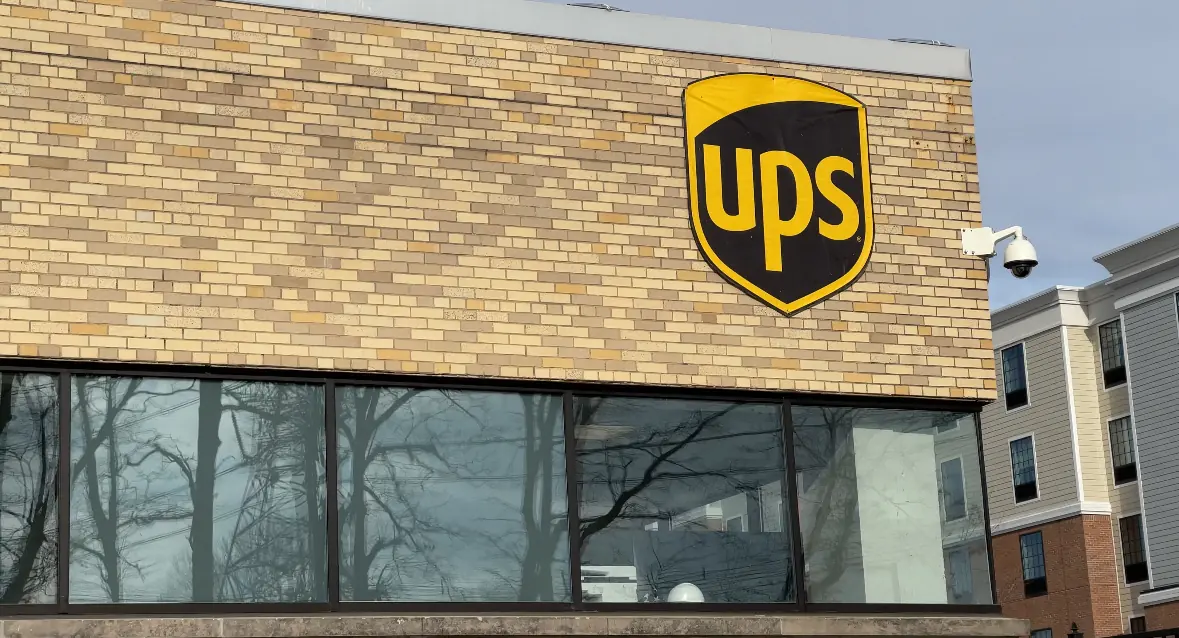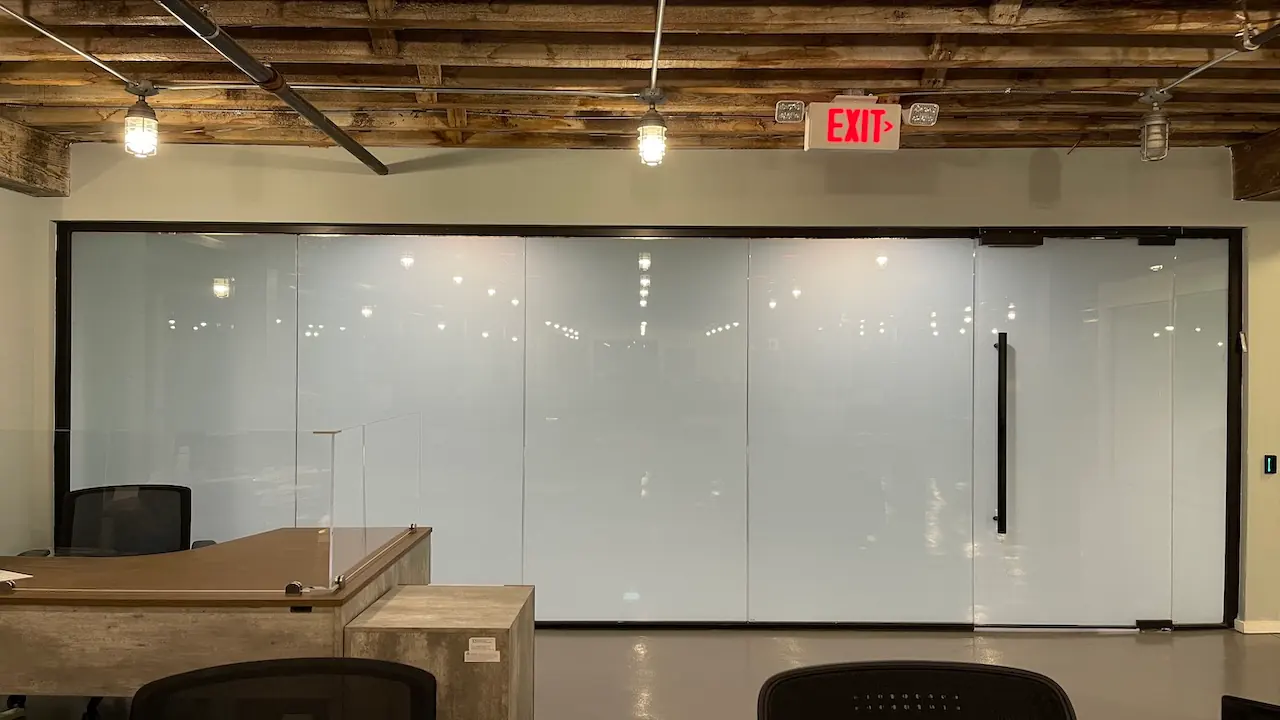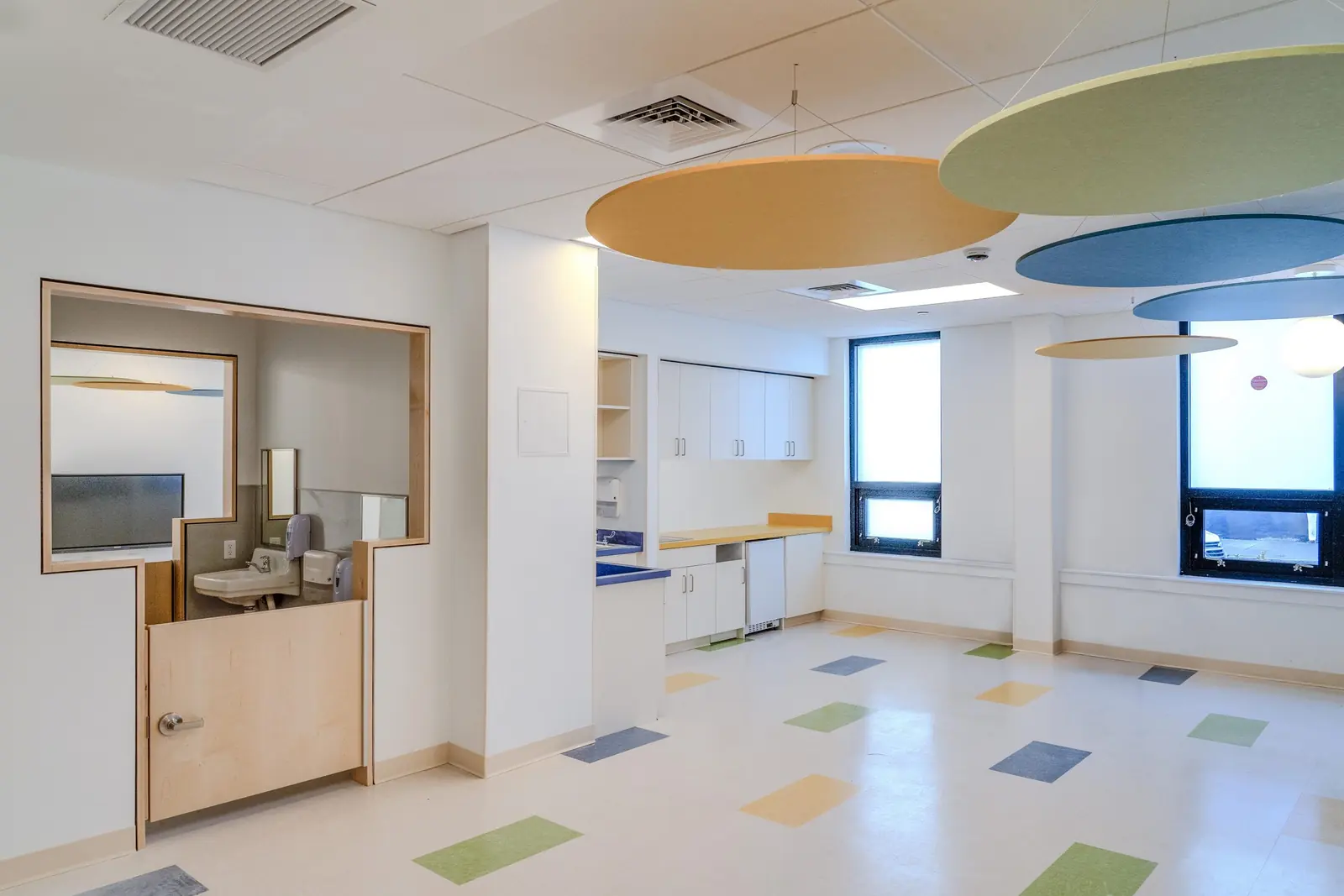

PriWatt film in the exhibition spaces of the New Museum, New York
A gallery that has to be reconfigured, not rebuilt
An exhibition programme changes several times a year and the building does not. A museum’s recurring problem is that the divisions it needs are different for every show. This one wants a sequence of closed rooms, the next wants one long view, and every change that involves building something costs a week the programme has not got.
The New Museum, in its Eisenberg and Feinstein building, had PriWatt switchable film applied to the glass walls that divide the exhibition areas and to its private conference rooms. The divisions stay where they are; what changes is whether you can see through them.
What a curator gets that a partition contractor cannot give them
- A room that is opened or closed between shows without a contractor, a permit or a dust screen
- A reveal that is part of the exhibit: a work concealed until the moment the visitor triggers it
- Sightlines controlled per space, not per building, so one gallery can close while the next stays open
- Conference and private rooms inside the public envelope, without a solid wall interrupting the plan
The second of those is the one museums come back for. A switchable panel changes state in milliseconds and makes no sound doing it, which turns a partition into something an exhibition can use instead of something it has to work around. PriWatt has been specified that way before, in the interactive display case at the Royal Ontario Museum is switched by visitors thousands of times a week.

The number that matters in a public building
Cycle life. A boardroom partition is switched perhaps twice a day; a gallery division on a public floor is switched by staff at every change of state, and an interactive one is switched by visitors. PriWatt publishes over 800,000 switching cycles for PDLC film and over 600,000 for PNLC and DLC: comfortable for an office, and the figure to actually check against the expected use of an exhibit.
It is the specification people forget. It is in the technical reference with everything else that is measured.
Applied to what was there
Film goes onto the existing glazing, so no partition was removed and no gallery was closed for reglazing.
Nothing in the room
No track, no fabric, no hardware in a space where the architecture is meant to disappear behind the work.
Cleaned with the glass
A public building cleans its glazing anyway. This is one more pane on the same round, not a new maintenance item.
Which way round it should fail
The film here is normal mode: private with no power, clear while it is switched, so it draws current in the transparent state and none when it is closed. For a gallery that is open to the public all day and closed at night, that is worth thinking about instead of assuming, because it is also what the wall does in a power cut.
The opposite arrangement, reverse mode, is clear unpowered and draws only while private. Which one is right depends entirely on how the space spends its day, and it is the first question on any of these projects.
Specified on this project
PriWatt PDLC switchable film
Self-adhesive film applied to glass already in the building. Private unpowered, clear when switched.
Public spaces
Museums, retail, hospitality and lobbies, where the glass is part of the visit.
Room dividers
One room, or two — and what changes when the divider moves.
A project like this one
A gallery, a visitor centre, a retail floor or any public space whose divisions change with the programme. PriWatt manufactures in Pompano Beach, Florida. Every quote is worked from the project’s own drawings, so send dimensions. A photograph with the sizes written on it does the same job. Earlier than that, book the call.