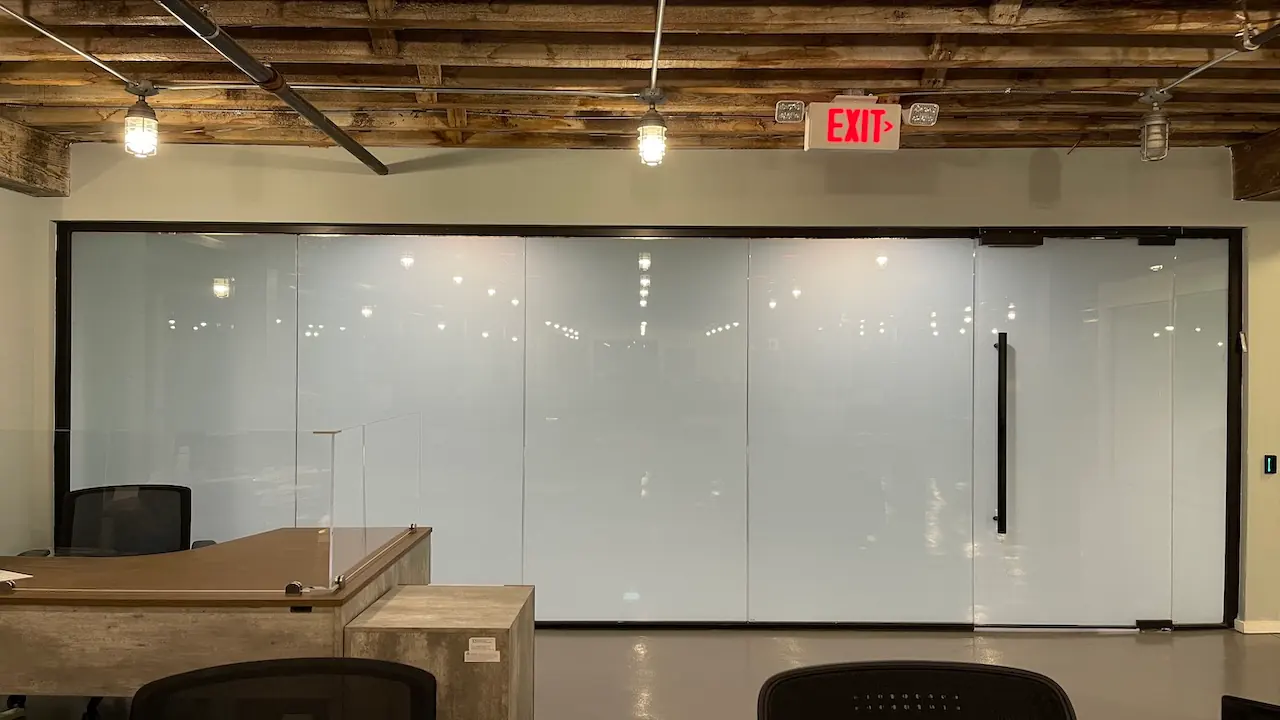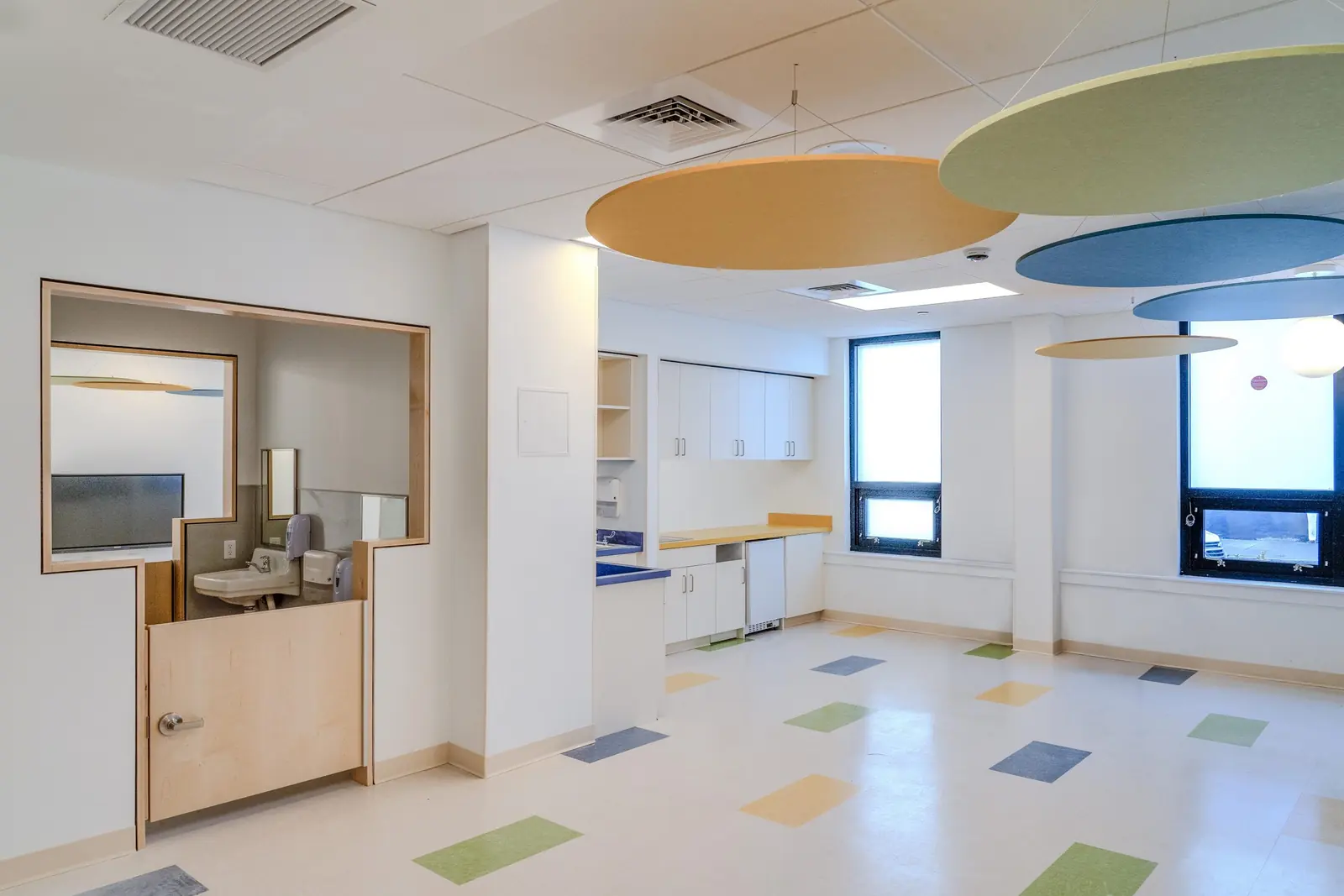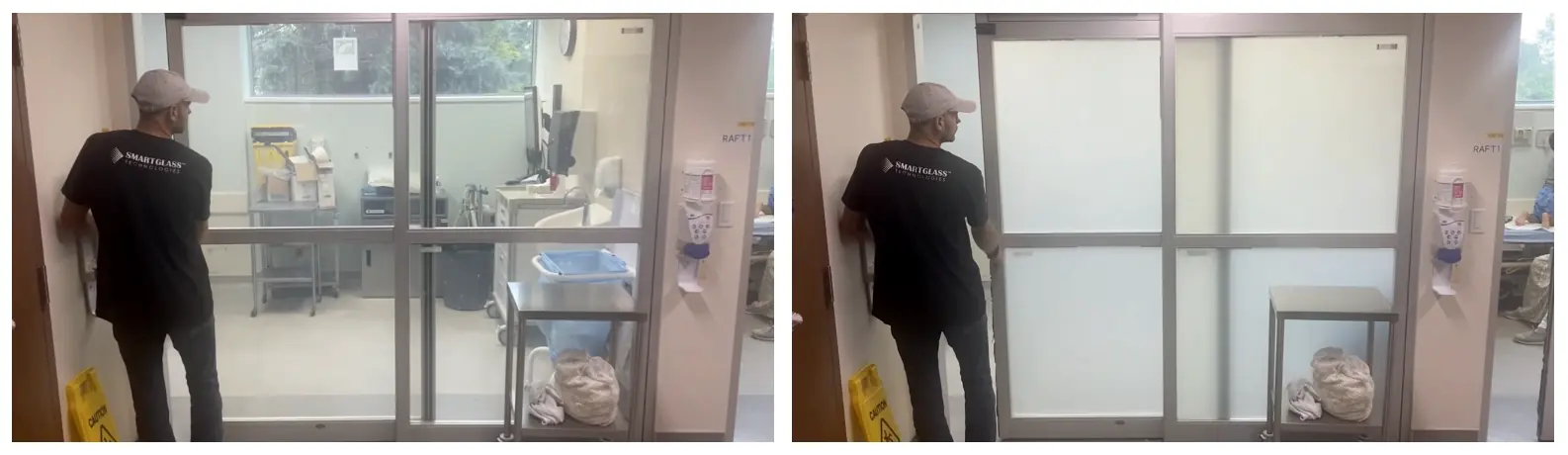

PriWatt film across meeting, administrative and study spaces at TSTC
The cheapest version of this project is the one that changes no glass
A campus has a lot of glazing and very little appetite for construction in term time. TSTC wanted meeting rooms, administrative offices and study areas that could be closed when they needed to be. Answered with new partitions or replacement glazing, that becomes a summer programme and a budget line.
PriWatt film was applied to the glass that was already in those rooms. Nothing was replaced.
What a retrofit avoids, item by item
| Replacing the glazing | Applying film to it |
|---|---|
| New panels ordered to a schedule and manufactured | The panes stay where they are |
| Partitions opened, glass removed, waste taken off site | Nothing is dismantled |
| Rooms out of use for the duration, which on a campus means a term | A room at a time, for hours instead of weeks |
| A construction programme, with the procurement that implies | An installation, with a survey in front of it |
| A permanent change to the building | Applied to the glass, so it is reversible |
The last row is the one that unlocks a decision. A permanent alteration needs a level of certainty that a college rarely has about a room’s use five years out; something applied to the pane does not. That is why film is so often what actually gets bought, and the general comparison is on glass or film.
Three kinds of room, three different reasons
Meeting rooms
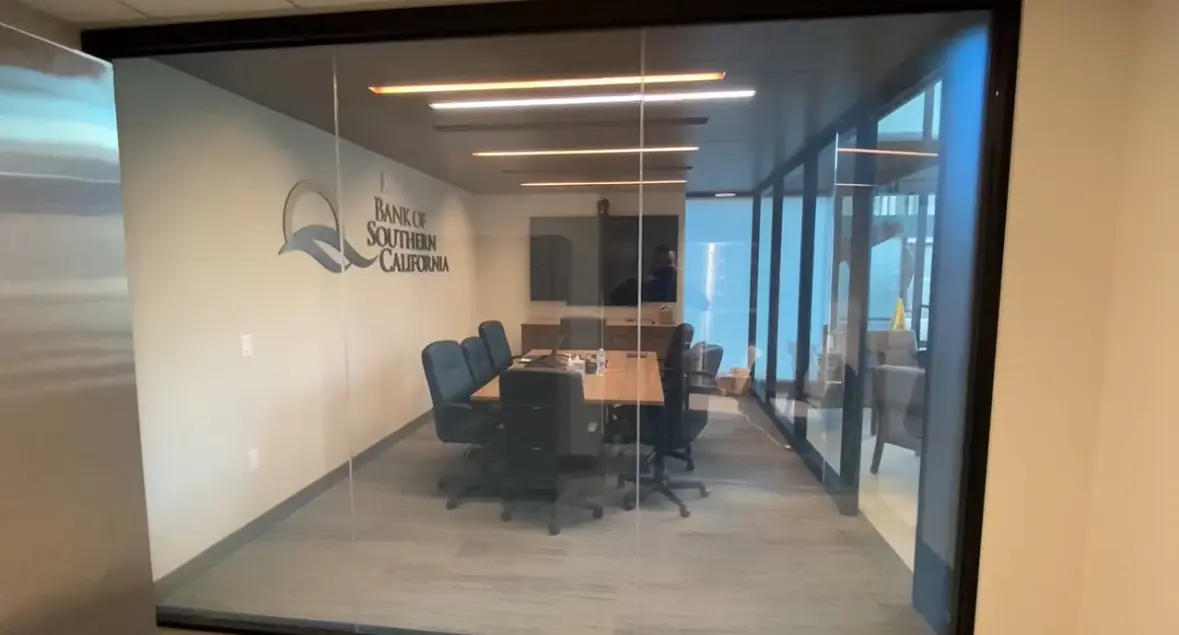
Open and legible between bookings, closed for the meeting. The standard case, and the one where the requirement genuinely changes hour by hour.
Administrative offices
Student records, disciplinary matters, staff conversations. Glazed so the office is approachable, private for the part that should not be.
Study areas
The odd one out: here the privacy is from distraction, not from disclosure, and the glass is closing out visual traffic instead of concealing anything.
The third is the case people under-specify because it does not sound like privacy. It is still the requirement that a surface changes during the day, and that is the only test that matters. A space whose requirement never changes wants a fixed answer in one direction or the other, and specifying switchable glazing for it is money spent twice.
Two claims a campus should not buy on
Energy savings. The version published elsewhere says the film helps regulate interior temperatures and could lower HVAC consumption, and says it is especially useful in Dallas. Nothing was measured, and interior glazing is not part of the thermal envelope: there is no solar load on an internal partition for the film to be managing. Where solar performance genuinely is the requirement, the product is DLC dynamic shading and the transmission figures are published.
Exceeding standards. The same page says the film exceeds standards for high-traffic environments without naming one. PriWatt publishes UL Recognized Components and SGCC safety-glazing certification, both with documents behind them on patents and certifications, and publishes cycle life, over 800,000 switching cycles for PDLC film, in the technical reference. Those are the numbers to specify against.
Specified on this project
PriWatt PDLC switchable film
Self-adhesive film applied to glass already in the building. Private unpowered, clear when switched.
Education facilities
Classrooms, labs and training rooms that are supervised and, at other times, closed.
Office partitions
How a glazed run is built: where the joints fall, and how one transformer serves a wall.
A project like this one
A campus, an administrative building, or any estate that needs the rooms changed without the building being opened. PriWatt makes the glass and the film in Pompano Beach, Florida, and quotes every project off its own drawings. Send dimensions, or a photograph with the sizes written on it. No drawings yet? Take the call instead.